
Homes near water — whether oceanfront, riverside, or on the edge of a tranquil lake — come with more than just scenic views. There is a growing interest in wellness-focused living that intentionally pairs health-minded design with waterfront locations. This article explores why water-adjacent homes can boost physical and mental well-being, what features to look for in a wellness home, and where to find properties and communities crafted around this lifestyle.
Why Water Makes a Difference for Health
Living near water offers measurable benefits supported by research in environmental psychology and public health. Views of water, known as “blue space,” tend to reduce stress, improve mood, and support faster recovery from illness. Even casual contact with water — walking along a shoreline, listening to waves, or sitting by a river — can lower cortisol levels and decrease feelings of anxiety.
Air quality near large bodies of water often contains negative ions, which some studies associate with improved respiratory function and increased feelings of well-being. While the magnitude of these effects varies, many people report clearer breathing and a refreshed sense of vitality when spending time near water. Additionally, the gentle hum of waves or flowing streams provides a form of natural white noise that improves sleep quality for many residents.
Psychological Benefits
Blue spaces are powerful at promoting calm and focus. The visual simplicity and rhythmic patterns of water help the brain switch from a high-alert state to a restorative mode. For people with high-stress lifestyles, regular exposure to water can create more consistent mental breaks, reducing the cumulative burden of stress over time.
Physical and Social Health Improvements
Proximity to water encourages physical activity – kayaking, paddleboarding, swimming, or simply walking along a waterfront path. These low-impact activities are accessible to many ages and fitness levels, fostering a culture of movement. Waterfront neighborhoods also tend to attract communal spaces like promenades, parks, and community docks that facilitate social connection, an important factor in longevity and mental health.
Design Elements of Wellness Homes Near Water
Wellness homes near water combine location advantages with intentional design choices to maximize health benefits. Key elements include natural light optimization, indoor-outdoor flow, non-toxic materials, and systems that promote air and water quality. When these features are integrated with thoughtful landscape design, they create environments that support calmer, healthier daily routines.
Indoor-Outdoor Connectivity
Large windows, balconies, and sliding doors ensure that natural light and water views penetrate living spaces, strengthening the connection to the outdoors. Seamless transitions from interior to exterior — such as verandas, decks, or terraces — allow for spontaneous outdoor time, increasing the likelihood of regular exposure to the waterfront environment.
Material Choices and Air Quality
Using low-VOC paints, natural flooring materials, and formaldehyde-free cabinetry reduces indoor air pollutants that undermine health. High-performance ventilation systems with filters that can handle coastal salt and humidity help maintain clean air while preventing mold and corrosion. For those with allergies or respiratory conditions, these details can make a significant difference in comfort and safety.
Water-Sensitive Landscaping
Native plantings, permeable paving, and rain gardens contribute to healthier shorelines and reduce runoff into the water. Mindful landscaping supports local ecosystems and creates pleasant, biodiverse outdoor rooms for relaxation and exercise. It also reduces maintenance burdens and preserves water quality, aligning the home with broader environmental wellness.
Features to Prioritize When Choosing a Waterfront Wellness Home
Not all waterfront properties are created equal for health-focused living. Prioritizing certain features helps ensure a true wellness home rather than simply a pretty view. Consider air and water quality, accessibility to green spaces and trails, building resilience against storms and sea-level changes, and community amenities that promote healthy lifestyles.
Accessibility and Walkability
Look for neighborhoods that offer safe pedestrian paths, bike lanes, and easy access to waterfront trails. Walkable areas encourage daily physical activity by making errands and social outings possible without a car. Mixed-use developments with nearby cafes, markets, and wellness services enhance convenience and support community engagement.
Resilience and Sustainable Infrastructure
Waterfront homes should be built or retrofitted with resilience in mind: elevated foundations where appropriate, flood-resistant materials, and well-planned drainage systems. Sustainable energy choices like solar panels, efficient HVAC, and salt-tolerant building materials reduce environmental impact and long-term costs while contributing to a healthier living environment.
Community Amenities that Encourage Well-Being
Features such as community gardens, shared fitness facilities, class programming for yoga or aqua fitness, and maintained walking paths amplify the wellness benefits. Communities that host events and activities foster social cohesion, which strongly correlates with better mental health and longevity.
Types of Waterfront Wellness Communities and Where to Find Them
Waterfront wellness living appears across various settings, from coastal towns and urban riverfronts to alpine lakes and man-made reservoirs. Each type offers distinct advantages and considerations. Understanding the nuances of each setting helps match individual lifestyle preferences to the right community.
Coastal Living — Oceanfront Serenity
Oceanfront communities offer wide horizons, tidal rhythms, and the therapeutic sounds of waves. Coastal areas often feature boardwalks, surf schools, and seaside parks. However, salt air and stronger weather exposure require homes designed for corrosion resistance and storm resilience. Popular coastal regions with established wellness communities include temperate coasts where outdoor recreation and conservation efforts are strong.
Riverfront Neighborhoods — Urban Energy with Calm Pockets
Riverside living blends natural elements with urban convenience. Many cities have redeveloped riverfronts into green corridors with cafe-lined promenades and cycling routes. These neighborhoods can be especially appealing for those who want proximity to cultural amenities while still enjoying the restorative qualities of water. Flood mitigation and river management are important considerations in these areas.
Lakefront and Inland Waterways — Quiet and Community-Focused
Lakefront homes often provide calmer waters ideal for rowing, paddleboarding, or relaxed swimming. These settings are sometimes more sheltered from severe weather and can support year-round outdoor lifestyles depending on climate. Smaller communities around lakes frequently emphasize communal activities, such as fishing clubs, conservation groups, and seasonal festivals that enhance social bonds.
Where to Search: Practical Steps and Resources
Finding the right wellness home near water requires both practical research and in-person evaluation. Begin with targeted searches that filter for key features like walkability, flood-resilient construction, and community amenities. Working with real estate professionals who specialize in waterfront properties can save time and reveal hidden gems that prioritize wellness.
Online Tools and Listings
Use property platforms that allow filtering by waterfront proximity, green building certifications, and community amenities. Look for listings that include detailed reports on flood zones, environmental assessments, and photos of outdoor spaces. Supplement listing searches with regional planning documents and conservation maps to understand shoreline protections and future development plans.
Local Experts and Community Groups
Real estate agents who focus on waterfront properties provide knowledge about local regulations, insurance considerations, and resilient building strategies. Community associations and conservation groups offer insight into shoreline stewardship, trail networks, and social activities that shape daily life in these areas. Engaging with these groups before purchasing helps evaluate long-term fit.
Visiting and Testing the Lifestyle
Spend time in potential neighborhoods at different times of day and in different seasons. Morning walks, evening breezes, and weekend activity patterns reveal how a location supports wellness habits. Testing commute times, access to healthcare, and availability of recreational classes provides a fuller picture of day-to-day living beyond the immediate aesthetic appeal.
Costs, Insurance, and Long-Term Considerations
Waterfront wellness homes can carry premium prices tied to location and views. Additional costs related to insurance, maintenance, and weatherproofing are important to factor into a purchase budget. Flood insurance, coastal homeowner association fees, and periodic shoreline repairs can increase long-term expenses but are often offset by the lifestyle advantages and potential property value resilience.
Insurance and Maintenance Realities
Insurance premiums in flood-prone regions may be higher and require policies tailored to coastal or riverine risks. Regular maintenance to address salt corrosion, moisture intrusion, and landscaping for erosion control reduces long-term repair costs. Working with professionals experienced in waterfront property maintenance ensures durability and sustained health benefits.
Futureproofing and Climate Resilience
Anticipating sea-level rise, changing storm patterns, and local environmental regulations is critical. Choosing properties with adaptable design elements — such as raised mechanical systems, resilient landscaping, and modular structures — helps preserve both lifestyle and investment value over decades. Communities that invest in shoreline protections, managed retreat planning, and sustainable infrastructure tend to be better prepared for future challenges.
Bringing Wellness Home: Daily Habits that Maximize Waterfront Benefits
Even in the healthiest waterfront setting, daily habits determine long-term outcomes. Simple routines that integrate the water environment amplify the inherent benefits: morning walks along the shore, evening wind-down rituals on a balcony, or regular water-based exercise can become anchors for well-being. Combining these habits with indoor air quality measures and a decluttered, nature-infused interior creates a comprehensive wellness practice.
Routine Outdoor Time
Consistent time outside, even if brief, supports mental clarity and physical health. A 20- to 30-minute walk on a waterfront path, mindful breathing while listening to waves, or a short paddle session on a calm morning can shift stress patterns and build a daily rhythm centered on movement and presence.
Indoor Practices that Complement the Setting
Indoor practices such as creating a sleep-friendly bedroom, incorporating plants, and choosing soft, natural textiles complement the restorative qualities of the water. An intentional layout that prioritizes views and natural light makes it easier to maintain healthy routines without sacrificing comfort or style.
Conclusion: A Holistic Approach to Waterfront Living
Waterfront homes designed with wellness in mind offer more than scenery; they are environments where daily life naturally promotes better health. By combining resilient, sustainable design with community amenities and mindful daily habits, these properties can become powerful allies in reducing stress, improving physical fitness, and nurturing social connections. For those seeking a lifestyle that blends nature, health, and home, waterfront wellness living holds compelling promise.
Choosing the right location, understanding long-term maintenance and climate considerations, and prioritizing features that support clean air, water access, and community engagement will ensure that the benefits of blue-space living are real and lasting. Thoughtful planning before purchase and consistent habits afterward turn a beautiful view into ongoing wellbeing.
```html
Discover Wellness Living at Tennessee National
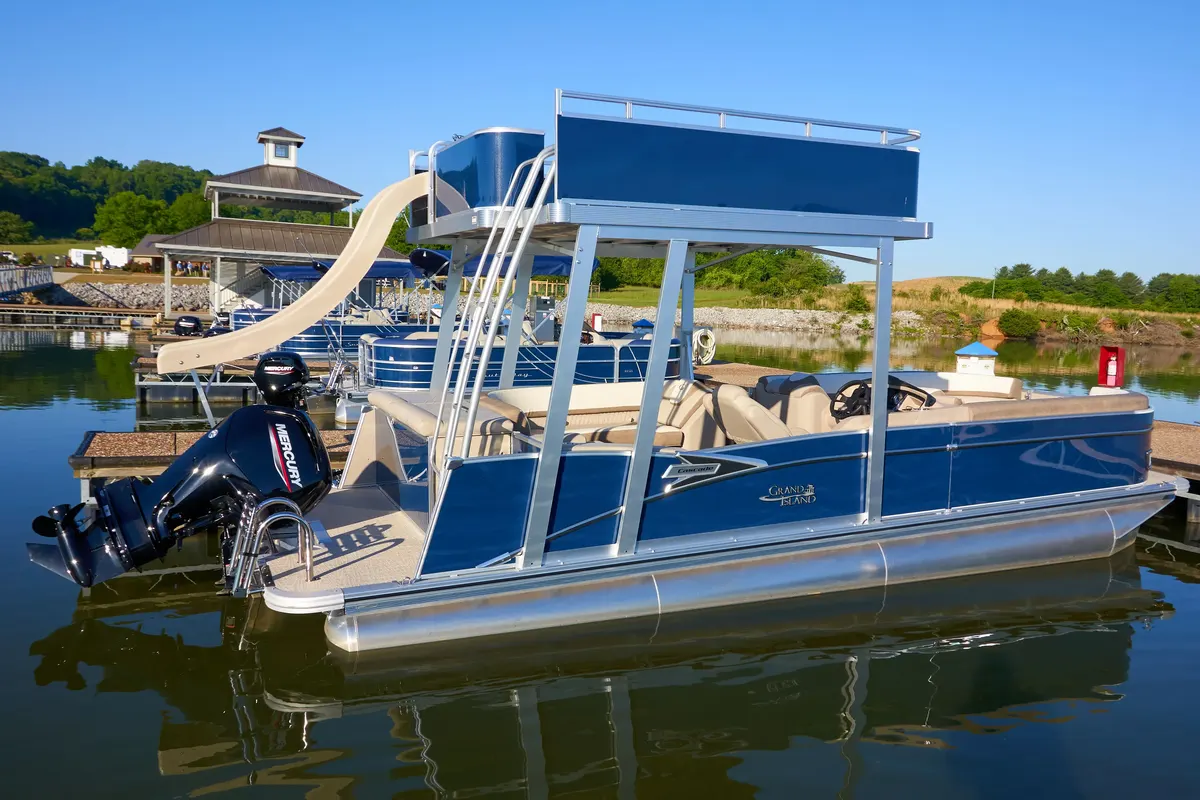
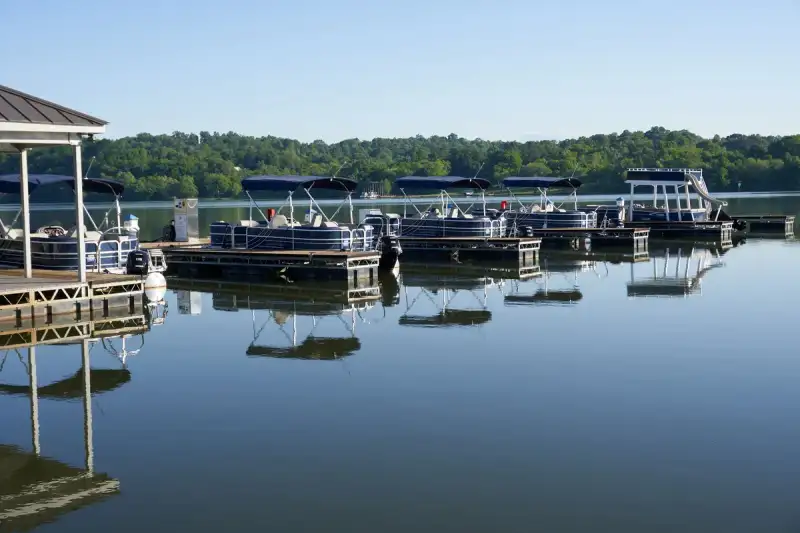
Embrace the benefits of waterfront wellness living at Tennessee National, a premier gated community that combines luxury with nature’s best. Set amid Tennessee’s scenic landscapes, enjoy access to a Greg Norman Signature Golf Course, a private marina, waterfront dining, and over 20 member amenities designed to support your health and happiness. Whether you prefer a move-in ready home or a custom build, Tennessee National offers a variety of options tailored to your lifestyle.