Finding the right vacation property near a lake is a blend of practical decision-making and emotional intuition. The best choice balances location, budget, maintenance needs, and long-term goals—whether the intent is pure personal escape, steady rental income, or a future retirement spot. This guide walks through the most important considerations and steps to help make a confident purchase that will be enjoyed for years to come.
Define Purpose and Priorities
Start by clarifying the primary purpose of the property. Is it meant for weekend family getaways, a place to host friends, a long-term rental, or a future retirement home? Each objective changes the ideal features: a family home needs safe water access and play space, while a rental property should focus on low maintenance and broad appeal.
List priorities such as proximity to the water, privacy, views, accessibility during winter, and on-site amenities like docks or boathouses. Decide which trade-offs are acceptable—paying more for a waterfront lot might mean a smaller home, whereas a larger house slightly farther from the shore could be better for entertaining.
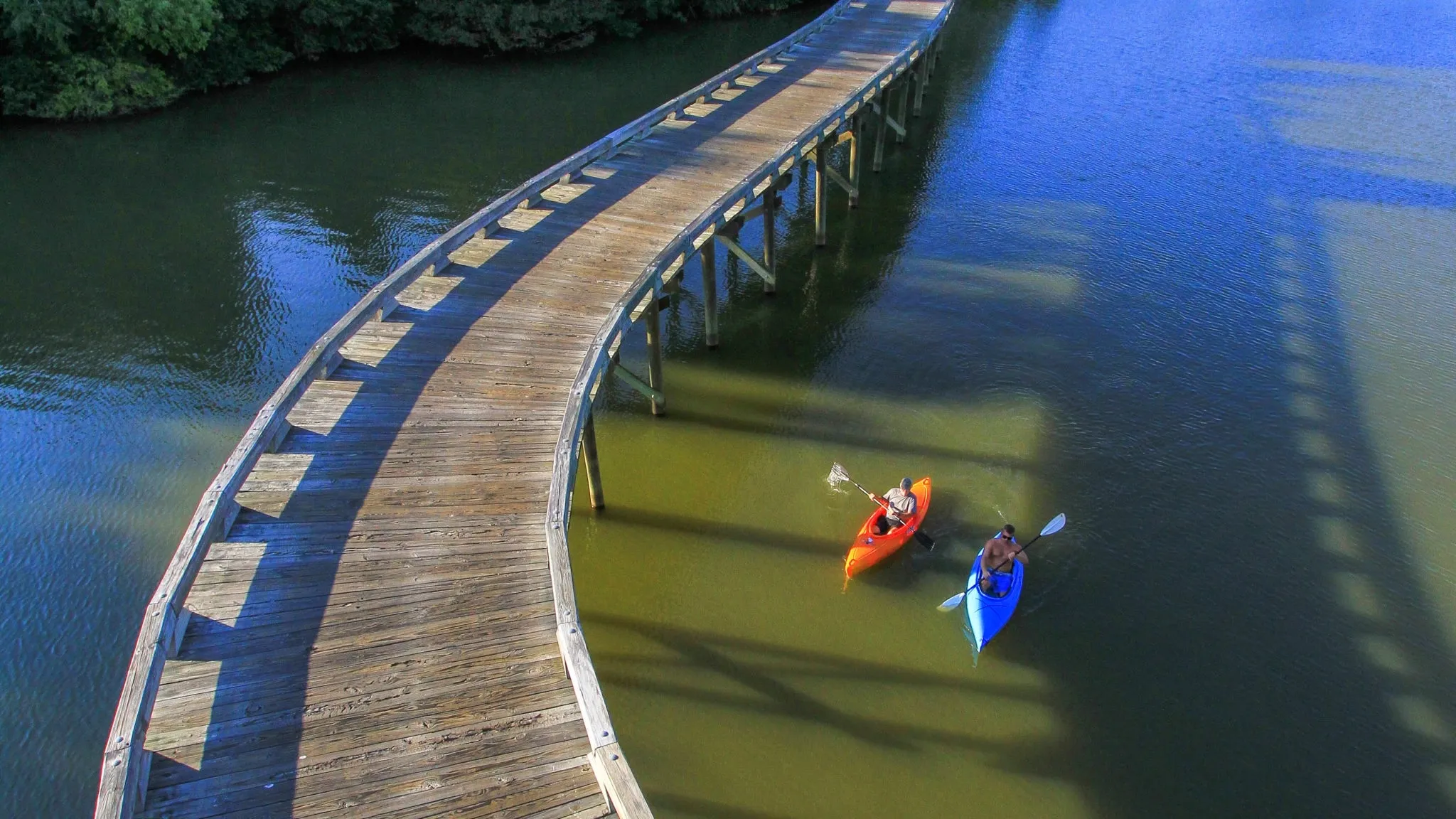
Additionally, consider the lifestyle you envision. For instance, if outdoor activities like kayaking or fishing are important, easy access to the water and storage for gear become critical factors. Alternatively, if relaxation and quiet are priorities, a more secluded location with natural landscaping may enhance your experience. Evaluating seasonal accessibility is also key, as some lake homes can become difficult to reach during harsh weather, which might impact how frequently you can use the property throughout the year.
Another consideration is future flexibility. If there’s a possibility that your needs might evolve—such as converting the property into a rental or passing it down to family—think about features that provide versatility. Multipurpose rooms, additional guest quarters, or the capacity to add structures like a boathouse can add long-term value and functionality, ensuring the property adapts with your changing lifestyle.
Choose the Right Lake and Neighborhood
Not all lakes are equal. Some are busy hubs for boating and nightlife, while others offer solitude and quiet fishing spots. Research lake size, water quality, public access points, and seasonal population swings. Local zoning and environmental regulations can also limit what can be built or modified, so understanding the rules early avoids surprises.
Neighborhood characteristics matter. Look at nearby towns for grocery stores, medical facilities, and dining options. Consider how seasonal traffic affects serenity and whether local ordinances restrict short-term rentals. A property close to popular marinas and beaches may command higher rental rates but also face more noise and congestion.
Accessibility and Commute
Consider travel times from home or major cities. A three-hour drive can be perfect for weekend escapes, while longer trips reduce spontaneous visits. Check road conditions for all seasons—some rural lake roads are difficult in winter or after heavy rains. Access by boat might be a plus, but make sure there’s a reliable road entry for utilities and emergency services.
Set a Realistic Budget
Beyond purchase price, account for recurring expenses: property taxes, insurance (especially if the lake is in a flood zone), utilities, and routine maintenance. Waterfront properties often incur higher insurance premiums and require extra upkeep for docks, seawalls, and erosion control. Include reserve funds for unexpected repairs.
Consider financing specifics and interest rates. Some lenders offer vacation or second-home loans with particular requirements, such as higher down payments or reserve cash on hand. If the property will be rented, estimate conservative occupancy rates and realistic nightly rents to project cash flow and loan servicing capability.
Tax and Legal Implications
Investigate local property tax trends and any special assessments for lake maintenance or community improvements. If the property will be rented, consult a tax professional about allowable deductions, depreciation, and how income will be reported. Local homeowners associations may impose rules and fees that affect both lifestyle and profitability.
Select the Property Type and Features
Decide between a classic cabin, a modern lakefront home, a condo with shared amenities, or a buildable lot. Each choice has trade-offs: cabins often have charm and lower purchase prices but may need extensive upgrades, while newer homes offer modern conveniences but come with higher initial costs.
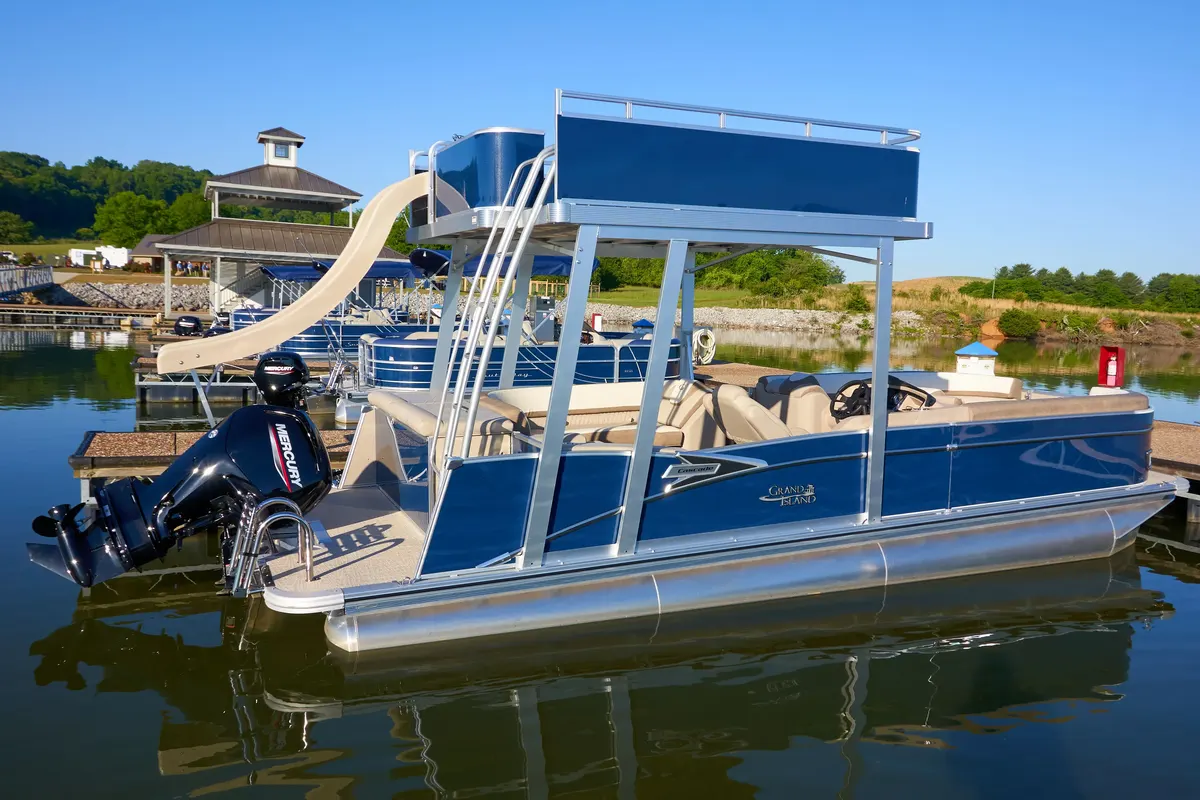
Essential features often include safe water access, a functional dock, storage for kayaks or boats, and outdoor entertaining spaces. Inside, prioritize durable materials that stand up to moisture and sand—vinyl plank flooring, well-sealed windows, and energy-efficient HVAC systems make sense in a lakeside property.
Waterfront vs. Near-Water
True waterfront delivers unobstructed views and direct access but comes with higher upkeep due to shoreline erosion, insurance, and potential flood risks. Near-water properties often offer better price per square foot, more privacy, and easier maintenance. Evaluate how important direct shore access is versus view, cost, and long-term resilience.
Work with Local Experts
Engage a real estate agent who specializes in waterfront properties. Experienced agents understand the quirks of lake zoning, dock permits, and seasonal market swings. They can also identify hidden gems before they hit broader listings and help negotiate on specifics like boat lift transfers or dock repairs.
Other local experts worth consulting include marine contractors, surveyors, and environmental consultants. A shoreline survey can reveal setback lines, easements, or floodplain issues that affect development potential and insurance costs. Marine contractors can assess dock condition and estimate replacement or maintenance expenses.
Inspect Thoroughly
Inspections for lake properties should go beyond the typical home check. Hire inspectors familiar with waterfront properties to evaluate foundation condition, septic systems, drainage, mold and mildew risk, and the structural integrity of docks and seawalls. Insist on a thorough report and cost estimates for any recommended repairs.
Understand Permits and Environmental Rules
Shoreline regulations can be strict. Many jurisdictions limit dock size, prohibit certain shoreline alterations, and require permits for any work below the high-water line. Learn about setback rules, protected vegetation buffers, and septic regulations that protect the lake ecosystem. Ignoring these regulations can result in costly fines and required removal of improvements.
Look into any watershed or lake-association rules that influence boathouse construction, watercraft usage, and shoreline vegetation. Some lakes have invasive species protocols that require boat cleaning or decontamination before launching, which can influence visitor experience and rental logistics.
Evaluate Rental Potential
If rental income is a factor, research comparable listings to understand average nightly rates, peak-season demand, and off-season interest. Note how quickly desirable properties book and which amenities generate higher returns—private docks, hot tubs, and lakefront fire pits often boost bookings and guest satisfaction.
Consider turnkey readiness. Properties already furnished and equipped for guests reduce upfront investment and can start generating revenue faster. Factor in the cost of property management if visits will be infrequent; a local manager can handle guest turnover, cleaning, and maintenance but will reduce net income.
Marketing and Guest Experience
Successful vacation properties deliver consistent guest experiences. Invest in high-quality photos, clear house rules, and reliable internet access. A written welcome guide that includes local attractions, safety information, and appliance instructions improves reviews and reduces guest inquiries.
Negotiation and Making an Offer
Leverage knowledge of the local market to craft an informed offer. If the market is competitive, include a pre-approval letter, consider a flexible closing timeline, or offer earnest money to show commitment. For properties with clear issues, use inspection findings to negotiate repairs or price adjustments.
Allow for contingencies related to inspections and financing. In unique waterfront deals, include language about dock or seawall condition, transfer of any existing boat lift or pier agreements, and verification of shoreline property lines to avoid future disputes with neighbors or municipalities.
Plan for Ongoing Maintenance and Management
Lake properties require seasonal maintenance and preventive care. Create a maintenance calendar that includes dock inspections, shoreline erosion checks, HVAC servicing, and winterization procedures for plumbing and irrigation. Budget for periodic repainting and pest control, since moisture-rich environments invite mold and insects.
Decide who will handle routine maintenance and emergency repairs. A reliable network of local contractors—plumbers, electricians, landscapers, and marine specialists—saves time and frustration. If the property will be rented, a local property manager can coordinate turnovers, cleaning, and guest support on a day-to-day basis.
Long-Term Preservation
Invest in measures that preserve the property’s value and protect the lake. Stabilizing shorelines with native vegetation, avoiding hard bulkheads where possible, and using permeable surfaces for driveways reduce erosion and runoff. These practices often qualify for grants or incentives from local environmental programs.
Checklist Before Closing
Before finalizing the purchase, confirm a set of essentials: a clear title, up-to-date surveys, permits for docks or boathouses, a satisfactory inspection report, and adequate insurance quotes. Verify septic system functionality and get documentation on any recent shoreline work. Ensure utilities are transferable and confirm boundaries with a recent survey to avoid encroachments.
Review association rules, property tax status, and any outstanding assessments. If renting is planned, obtain any required business licenses or short-term rental permits. Closing smoothly often depends on addressing these items early in the process.
Enjoying the Investment
After closing, focus on personalization and making the space welcoming. Select durable, easy-to-clean furnishings and create outdoor living areas that encourage lake enjoyment—covered porches, fire pits, and shaded seating areas all increase use and appeal. A simple kit of essentials for guests—kitchen basics, linens, and basic cleaning supplies—reduces turnover hassle.
Keep a seasonal calendar for visits and maintenance tasks, and maintain open lines of communication with neighbors and the lake association. A well-maintained property with respectful use contributes to the health of the lake and the enjoyment of everyone who shares it.
Final Thoughts
Choosing the perfect lakefront or lakeside vacation property combines practical research with a sense of what will create memorable experiences. Balancing cost, location, functionality, and long-term resilience will help preserve both the investment and the enjoyment it provides. With the right planning, a lakeside property becomes more than a retreat—it’s a source of recurring joy and potential income for years to come.
Discover Your Lakefront Luxury at Tennessee National
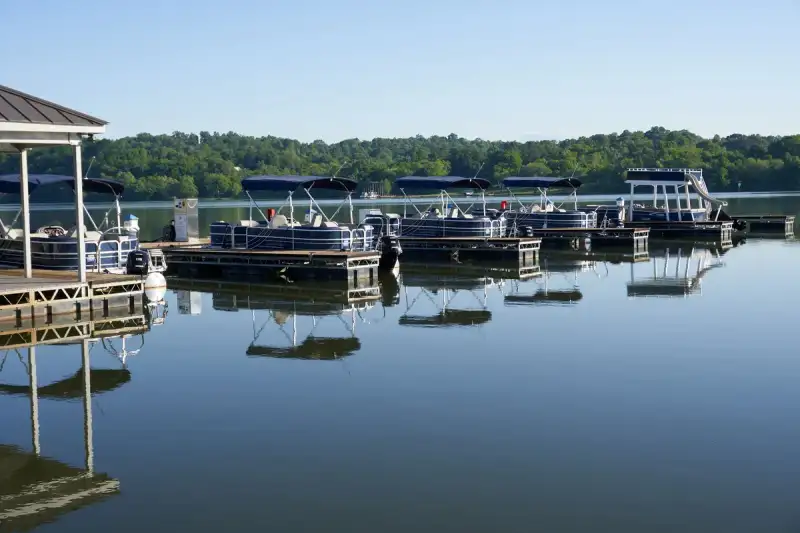
Ready to find your perfect vacation property that combines serene lake living with luxury amenities? Tennessee National offers an exclusive gated community set against stunning Tennessee landscapes, featuring a Greg Norman Signature Golf Course, private marina, waterfront dining, and over 20 member amenities. Whether you desire a move-in ready home or a custom build, our resort-style lifestyle ensures every day feels like a getaway. [