
North Carolina and Tennessee both show up on every “best states to retire” list. Mountain scenery, moderate climates, lower cost of living than the Northeast — on paper, they look similar.
But when you dig into the details, the differences matter. Especially if your retirement priorities include keeping more of your money, living on a lake, and playing golf year-round.
Here’s how they actually compare.
Taxes: Tennessee Wins Clearly
This is the biggest differentiator and it’s not close.
Tennessee: Zero state income tax. None. No tax on wages, pensions, Social Security, 401(k) distributions, investment income, or any other retirement income.
North Carolina: Flat state income tax of 4.5%. That applies to all retirement income including 401(k) and IRA withdrawals. Social Security is exempt, but everything else gets taxed.
For a retiree pulling $80,000 from a combination of pension and investment accounts, that’s $3,600 per year to North Carolina that Tennessee would never touch.
Over 20 years of retirement, that’s $72,000 in state income tax — gone.
Property taxes are closer. Tennessee’s average effective rate is about 0.56%. North Carolina’s is around 0.70%. Not a dramatic difference, but Tennessee still edges ahead.
Sales tax is roughly comparable in both states. Tennessee’s combined rate runs slightly higher in some counties, but the income tax savings dwarf any sales tax difference.
Bottom line: If you’re optimizing for after-tax retirement income, Tennessee is the stronger choice.
Cost of Living Comparison
Both states offer lower costs than the Northeast, Midwest metro areas, and certainly California. But within the Southeast, Tennessee runs slightly cheaper.
East Tennessee housing costs — particularly in areas like Loudon County — remain below comparable lakefront or mountain communities in western North Carolina around Asheville, Brevard, or Hendersonville.
Asheville’s median home price has climbed sharply over the past five years, pushing above $400,000. Comparable lakefront properties in East Tennessee offer more square footage, more land, and often newer construction for the same money or less.
Healthcare costs, groceries, and utilities are similar between the two states. The real gap is in housing and taxes.
Weather: Close, With a Slight Edge to Tennessee
Both states offer four distinct seasons with mild winters compared to the North. But there are differences.
East Tennessee (Loudon County area):
- Winter highs: upper 40s to low 50s
- Summer highs: upper 80s
- Annual snowfall: about 5 inches
- Growing season: 200+ days
Western North Carolina (Asheville area):
- Winter highs: mid 40s
- Summer highs: mid 80s
- Annual snowfall: 10-12 inches
- Growing season: 180+ days
The mountain elevation in western NC means cooler summers but also colder, snowier winters. If your priority is year-round outdoor activity — golf, boating, lake life — East Tennessee’s slightly warmer profile gives you more usable days.
The NC coast is warmer but comes with hurricane exposure, humidity, and flood insurance costs that mountain and inland Tennessee communities avoid entirely.
Lake and Outdoor Lifestyle
North Carolina has beautiful lakes — Lake Norman, Lake Lure, Lake James. But many are heavily developed with limited public access, higher property costs, and crowded marinas.
Watts Bar Lake in East Tennessee stretches over 39,000 acres with 783 miles of shoreline. It’s a TVA-managed reservoir with consistent water levels, excellent water quality, and far less congestion than North Carolina’s most popular lakes.
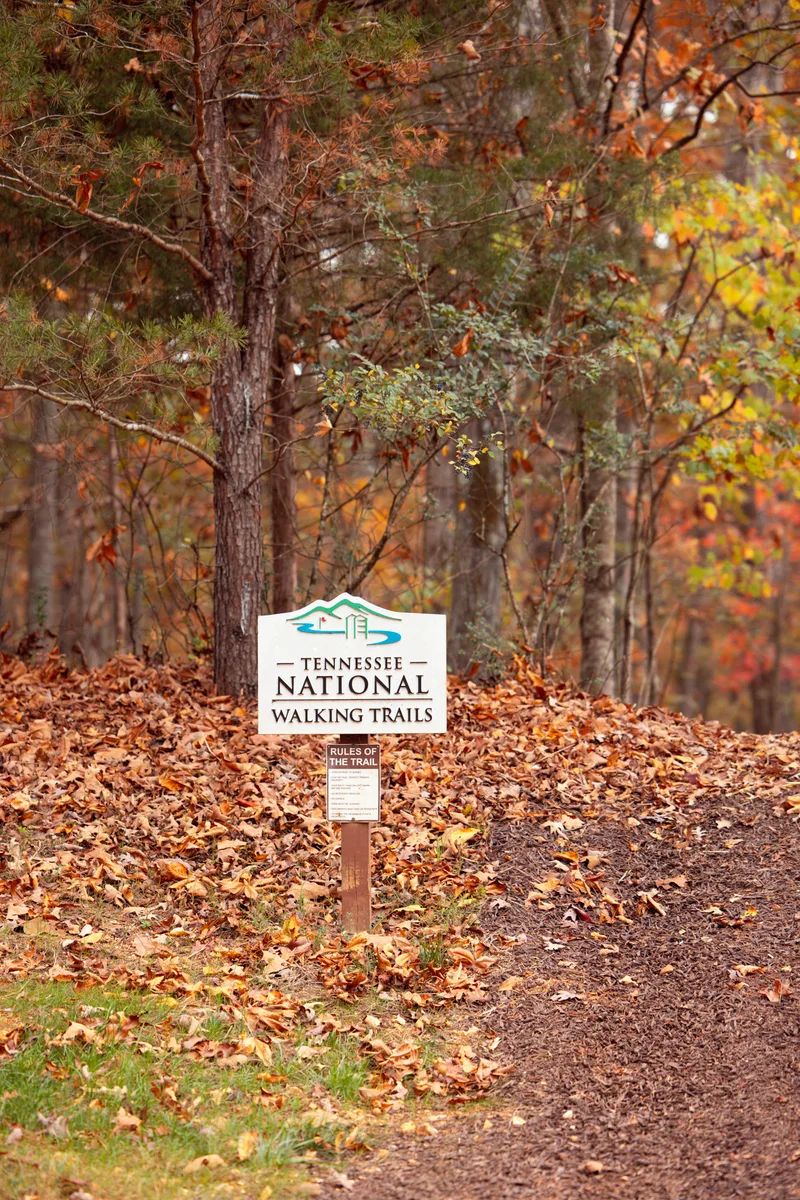
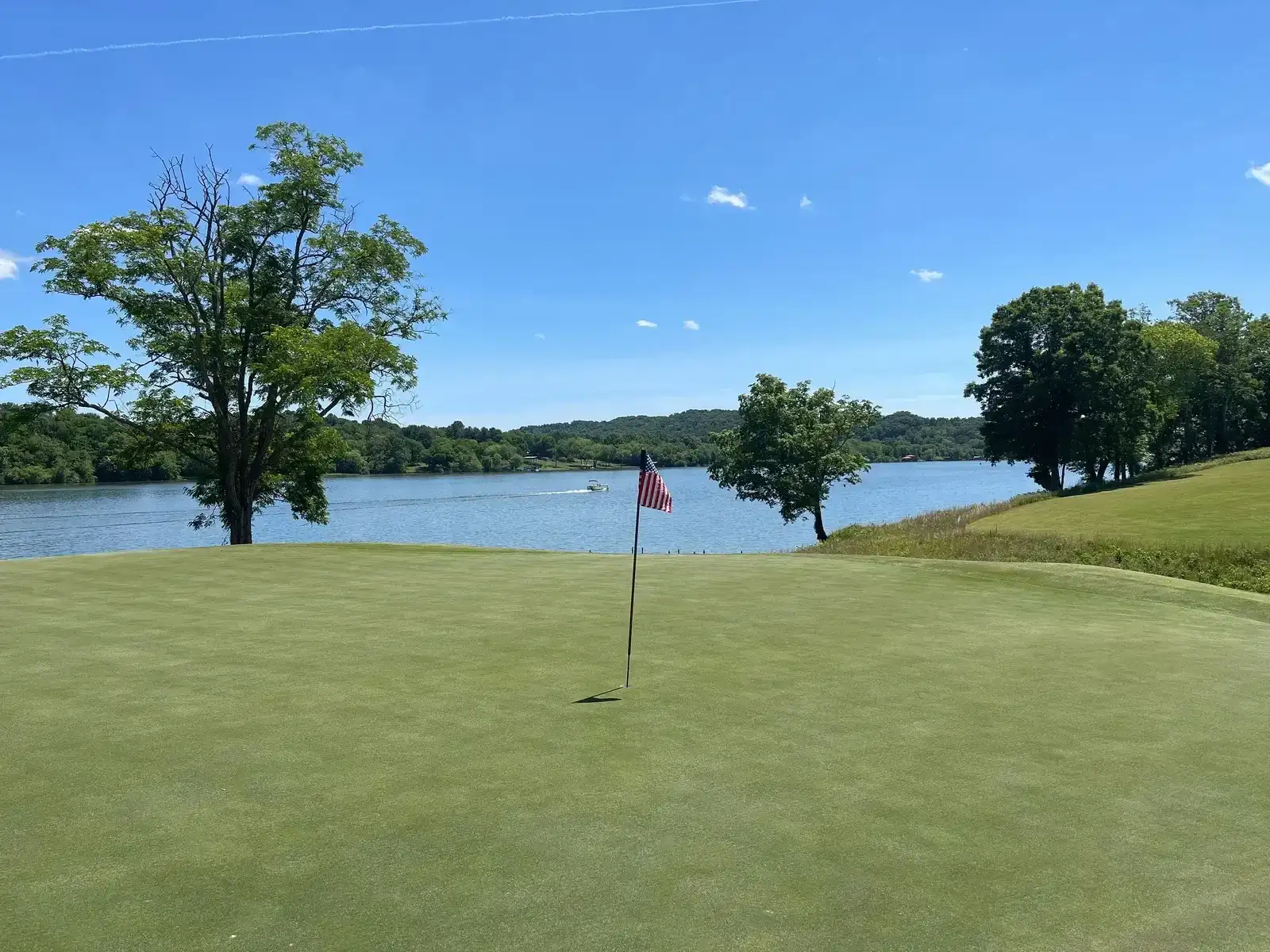
Tennessee National sits directly on Watts Bar Lake with a private marina offering covered and uncovered slips. Fishing, boating, kayaking, and paddleboarding are daily activities — not weekend expeditions.
The Great Smoky Mountains are under an hour from Loudon County. Western NC has the Blue Ridge Parkway and Pisgah National Forest, which are stunning — but the Smokies are the most visited national park in America for a reason.
Both states deliver on outdoor lifestyle. Tennessee just does it with a lower price tag and less crowding.
Golf Comparison
North Carolina has Pinehurst. That’s a fact. The Sandhills region is legendary for golf.
But if you’re looking for golf as a daily lifestyle rather than an occasional destination trip, the comparison shifts.
East Tennessee’s climate supports 12-month play. Western NC’s higher elevation means more weather-shortened seasons and more winter days where the course is too cold, wet, or frost-delayed to play.
Tennessee National’s championship 18-hole course offers lake and mountain views from nearly every hole. It’s the kind of course that makes a Tuesday morning round feel like a resort experience — except it’s your home course.
Golf community living in the NC mountains often means choosing between golf and lake access. At Tennessee National, you don’t choose. You get both.
Healthcare Access
Both states have strong healthcare infrastructure.
North Carolina’s Triangle area (Raleigh-Durham-Chapel Hill) has world-class medical facilities including Duke and UNC hospitals. Asheville has Mission Hospital, part of the HCA system.
East Tennessee has the University of Tennessee Medical Center in Knoxville — a Level I trauma center 35 minutes from Loudon County. The Knoxville metro also includes Fort Sanders Regional, Parkwest Medical Center, and Covenant Health facilities.
For retirees, proximity matters more than prestige. Having a top-tier hospital 30 minutes away covers the vast majority of healthcare needs. Both states deliver on this front.
The Community Factor
Retirement isn’t just about geography. It’s about who your neighbors are and how easy it is to build a social life.
Master-planned communities in both states offer social infrastructure — clubs, events, shared amenities. The key difference is cost of entry.
Comparable golf and lake communities in western North Carolina often carry higher real estate prices and steeper membership fees, driven by the Asheville-area premium.
Tennessee National offers the same caliber of community — active social calendar, clubhouse, marina, golf, fitness — at a lower total cost of ownership. And with no state income tax, every dollar you spend on lifestyle goes further.
Making the Decision
North Carolina is a great state. Beautiful scenery, strong healthcare, good quality of life. Nobody would argue otherwise.
But if you’re optimizing for retirement — maximizing your income, minimizing your tax burden, and building a daily lifestyle around golf, lake, and community — East Tennessee has a structural advantage that North Carolina can’t match.
No income tax. Lower housing costs. Year-round outdoor living. A lake with room to breathe.
See the difference for yourself. Schedule a tour of Tennessee National and compare firsthand what your retirement could look like on Watts Bar Lake.