
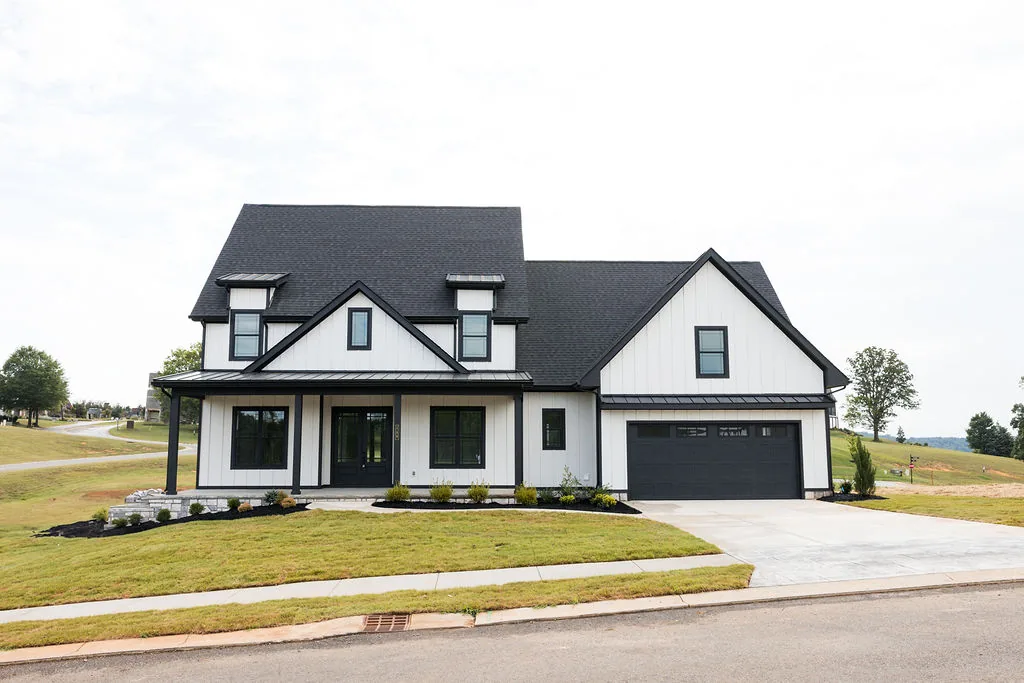
Finding an affordable home in Tennessee involves navigating a mix of state programs, federal assistance, nonprofit initiatives, and private developments that prioritize lower-income households. This guide lays out where to find listings, what costs to expect, and who qualifies for different programs, with practical tips for putting together a competitive application and managing long-term affordability.
Overview of Affordable Housing in Tennessee
Tennessee’s affordable housing landscape combines urban, suburban, and rural efforts. Cities like Nashville, Memphis, Chattanooga, and Knoxville have notable inventories of subsidized units, tax credit developments, and nonprofit-owned housing. Rural counties rely more on USDA programs and regional housing authorities that coordinate with local governments and community organizations.
The main types of affordable housing available include public housing, Housing Choice Vouchers (Section 8), Low-Income Housing Tax Credit (LIHTC) properties, state-sponsored workforce housing, and permanent supportive housing for households with special needs. Each category carries different eligibility rules, application processes, and waitlist dynamics.
In addition to these programs, Tennessee has seen growing efforts to incorporate affordable housing within mixed-income developments, promoting socio-economic diversity and reducing segregation. Innovative financing methods, such as public-private partnerships, have also become more common, enabling municipalities to leverage private capital for affordable housing construction and rehabilitation projects. These strategies aim to broaden housing options while fostering sustainable community development.
Furthermore, local advocacy groups and housing coalitions in Tennessee play an essential role in raising awareness and influencing policy decisions. Their work often involves coordinating landlord outreach, tenant education, and efforts to address barriers like discrimination and accessibility challenges. Together, these multifaceted approaches contribute to a more comprehensive and adaptive affordable housing system statewide.
Why affordable housing matters now
Housing costs have risen faster than wages in many parts of Tennessee. Inflation in construction costs, zoning constraints, and demand pressures in growing job centers have all contributed to shortages of housing affordable to lower- and moderate-income households. Securing affordable housing can stabilize finances, improve access to employment and education, and reduce eviction risk.
Where to Find Listings
Searching for affordable housing requires using a combination of official portals, local housing authorities, nonprofit websites, and developer listings. Each resource may show different sets of available units and application procedures, so broad outreach increases the chance of finding a match.
State and local housing authority websites
The Tennessee Housing Development Agency (THDA) and local public housing authorities (PHAs) publish listings and program details. THDA handles state-level programs such as down payment assistance and administered federal resources, while county and city PHAs maintain public housing inventories and manage voucher programs.
Online databases and portals
National databases like HUD’s resource locator and affordable housing directories often list LIHTC properties, public housing, and subsidized units. Local nonprofits and community action agencies may maintain region-specific listings. Searching by county or metropolitan area helps narrow results to realistic commuting distances and school districts.
Nonprofit developers and community land trusts
Community development corporations (CDCs), affordable housing nonprofits, and community land trusts occasionally list available units on their websites or social media channels. These organizations sometimes conduct targeted outreach to priority populations such as veterans, seniors, or households experiencing homelessness.
Types of Affordable Housing and Typical Costs
Costs are often described in relation to Area Median Income (AMI). Programs set rent limits, income caps, and participant contributions based on a percentage of AMI. Understanding these distinctions is crucial when evaluating listings and estimating out-of-pocket expenses.
Public housing and Housing Choice Vouchers
Public housing properties have rents calculated as roughly 30% of adjusted income, with utility allowances factored in. Housing Choice Vouchers allow families to rent on the private market while paying 30% of income toward rent and utilities; the voucher covers the difference up to a market-based payment standard. Waitlist times can vary from months to years depending on local demand.
Low-Income Housing Tax Credit (LIHTC) properties
LIHTC properties set rents at levels affordable to households at specified percentages of AMI (commonly 50% or 60% AMI). These developments mix unit sizes and often reserve a share of units for lower-income households, with rents fixed under regulatory agreements for a set compliance period—typically 15 to 30 years after construction.
Permanent supportive housing and special programs
Permanent supportive housing integrates affordable units with on-site or linked services for populations with chronic homelessness, disabilities, or behavioral health needs. Rents are typically subsidized through a combination of federal funding streams and state or philanthropic support, leading to low tenant contributions.
Cost examples and what to budget
As a rough guide, a one-bedroom LIHTC apartment in many Tennessee cities might range from very low rents (for qualifying incomes) to rents that are modestly below market. For households using vouchers, rent depends on local market rates and voucher payment standards. Expect application fees, security deposits (often subsidized or reduced for certain programs), and ongoing tenant-paid utilities. Budgeting for moving costs and potential short-term loss of work or childcare changes is also important.
Eligibility Requirements
Eligibility varies by program, income level, household composition, and special status like veteran or disability. Understanding the specific criteria for each program streamlines applications and helps identify which options are realistic.
Income limits and AMI
Income eligibility is commonly based on Area Median Income. Programs will specify eligibility bands—very low income (usually 30% of AMI), low income (50% of AMI), and moderate income (80% of AMI). These brackets are adjusted for household size, so a family of four will have higher income limits than a single adult within the same eligibility band.
Priority categories
Many PHAs and nonprofit programs prioritize households with urgent needs: those experiencing homelessness, fleeing domestic violence, elderly or disabled tenants, veterans, and working families with children. Applicants matching priority categories may move up waitlists or be offered vouchers faster.
Criminal background and rental history
Screening policies vary. Federal guidelines allow PHAs and owners of subsidized housing to consider criminal records, but blanket exclusions may be limited. Rental history often influences eligibility; unpaid balances to previous landlords or evictions can pose barriers unless mitigated by payments or appeals. Applicants are encouraged to gather supporting documentation early to address potential issues.
Application Process and Waitlists
Applying for affordable housing requires patience and organization. Applications must be complete and supplemented with proof of income, identification, household composition, and any documentation related to priority status. Missing documents delay processing and can lead to losing a place on a waitlist.
How waitlists work
Most PHAs and affordable developments operate waitlists and open them periodically. Some use lottery systems for fairness when demand is high. It is common to remain on multiple waitlists to increase the likelihood of obtaining housing. Updating contact information and responding promptly to notices keeps applications active.
Tips for strengthening applications
Include thorough documentation of income, disability status, veteran status, or homelessness when applicable. Provide a clear rental history and letters of support if seeking exceptions to screening policies. Enrolling in case management or housing counseling programs can also help navigate the paperwork and appeal processes.
Financial Assistance and Support Services
Finding a unit is only part of securing housing stability. Several financial assistance options and support services can help with upfront costs, rent payments, and long-term success in housing.
One-time and short-term assistance
Emergency rental assistance programs, often funded by federal or state grants, cover back rent, security deposits, or utility arrears for eligible households. Local community action agencies and nonprofit organizations operate these funds, which frequently require demonstrating financial hardship and risk of eviction.
Homeownership and rental counseling
Homebuyer assistance through THDA and local partners provides down payment and closing cost help to eligible buyers. For renters, counseling programs educate about lease rights, budgeting, and credit repair. Housing counselors can advocate with landlords, assist with applications, and help establish a path to stable housing.
Supportive services
Social services often accompany subsidized housing. Case managers, employment support, and mental health services can be coordinated through regional agencies and nonprofit partners. These services aim to reduce recidivism into homelessness and support independent living.
Practical Tips for Prospective Tenants
Approaching the affordable housing search with clear organization and realistic expectations improves outcomes. Preparation reduces delays and helps identify the best-fit program.
Keep documents ready
Maintain updated pay stubs, tax returns, Social Security award letters, birth certificates, and identification. Proof of any priority status—such as veteran documentation or letters from homeless service providers—should also be accessible. Digital copies speed application submissions.
Network with local agencies
Contact local housing authorities, community action agencies, and nonprofit shelters to learn about openings, priority programs, and application windows. Building a relationship with caseworkers or counselors can provide alerts about new listings and assistance with paperwork.
Consider location and transportation
Evaluate commuting costs and transit availability when selecting areas. Affordable units farther from job centers can become less affordable once transportation is considered. Seek developments located near public transit, schools, and employment hubs when possible.
What to Expect After Acceptance
After receiving an offer, the lease signing and move-in process typically involve a unit inspection, lease orientation, and establishing a payment plan for rent and utilities. Tenants should understand lease obligations, maintenance reporting procedures, and grievance policies.
Inspections and move-in costs
Inspections confirm unit habitability and ensure compliance with program standards. Some programs waive or subsidize security deposits for eligible tenants. Utility setup and ongoing payments should be planned for, and tenants may receive a utilities allowance depending on the subsidy type.
Maintaining eligibility
Annual recertification of income and household composition is standard. Failure to report changes or complete recertifications can jeopardize assistance. Keep records of communications with landlords and housing agencies to protect rights and document compliance.
Final Considerations
Securing an affordable home in Tennessee takes persistence and strategy. Leveraging multiple resources, preparing documentation, and engaging with local support organizations will improve chances of success. Programs and availability change over time, so staying informed about policy updates and funding cycles is essential.
Affordable housing serves as a foundation for family stability, health, and economic mobility. With careful planning and the right supports, eligible households can find housing that meets both budgetary constraints and quality-of-life needs.
Discover Affordable Luxury Living at Tennessee National
After exploring the landscape of affordable housing in Tennessee, consider elevating your lifestyle with Tennessee National. Here, you can enjoy the best of resort-style living in a secure, gated community complete with a Greg Norman Signature Golf Course, private marina, and over 20 exceptional amenities. Whether you seek a move-in ready home or a custom build, Tennessee National offers options designed to suit your needs while providing a vibrant, welcoming environment.