Choosing a home is about more than the square footage and the yard. For many, a neighborhood’s social life shapes daily living: clubs, fitness classes, community events, and shared spaces turn houses into vibrant places to belong. Tennessee, with its mix of urban centers, lakeside towns, and mountain communities, offers a range of neighborhoods designed for active social living. This article explores the best Tennessee communities and the amenities that make them hubs of social activity.
Why social amenities matter in a community
Social amenities influence health, happiness, and daily convenience. Well-designed communal spaces encourage interaction, reduce isolation, and provide opportunities for physical activity. Whether the goal is meeting neighbors at a weekend block party or joining a weekly book club, amenities are the infrastructure that facilitates connection.
Communities that invest in recreation facilities, event programming, and accessible meeting spaces tend to see stronger bonds among residents. That social capital also helps maintain property values and supports volunteer-driven projects that enrich life for everyone. For retirees, families, and singles alike, living somewhere that promotes engagement can be just as important as the private living space.
Moreover, access to diverse amenities such as playgrounds, walking trails, and cultural centers can cater to a range of interests and age groups, fostering inclusivity and a sense of belonging. These spaces often become hubs for creative expression, educational opportunities, and support networks that strengthen the social fabric of a neighborhood.
Investment in amenities also contributes to the overall safety and vitality of a community. Well-lit parks, community gardens, and vibrant public plazas can deter crime by encouraging constant use and vigilance. Furthermore, such amenities often stimulate local economies by attracting visitors and encouraging small businesses to flourish, creating a dynamic environment where residents can thrive both socially and economically.
Types of social amenities to look for
Different communities prioritize different amenities based on demographic mix and geography. A buyer should consider what kinds of social activities matter most and then compare neighborhoods accordingly. Common and impactful amenities include community centers, fitness facilities, pools, parks and trails, organized clubs, and event calendars.
Shared outdoor spaces like dog parks and picnic areas create informal meeting points, while structured offerings such as fitness classes, arts workshops, and community gardens provide repeated opportunities to form friendships. Accessibility is also key: activities scheduled at convenient times and facilities that are walkable or easily reached by transit are more likely to be used.
In addition, technology-enabled amenities have become increasingly popular, such as high-speed Wi-Fi zones in communal areas or apps that facilitate neighborhood communication and event planning. These tools can help residents stay informed and connected, fostering a stronger sense of community in an increasingly digital world.
Another important consideration is the cultural and recreational diversity offered by amenities. Communities that host multicultural festivals, seasonal markets, or diverse hobby groups can enrich residents’ social lives by exposing them to new experiences and perspectives. This variety helps cater to a broad range of interests and age groups, ensuring that everyone has the opportunity to engage and contribute.
Top Tennessee communities with strong social activity programs
Tennessee’s diverse regions each host standout communities that emphasize social life. Some prioritize lakeside living with boating and dockside events, others are master-planned suburban neighborhoods with on-site clubs, and a few urban developments weave communal spaces into city living. Below are several notable communities across the state, described by region and the amenities that foster social engagement.
East Tennessee: Mountain views and tight-knit neighborhoods
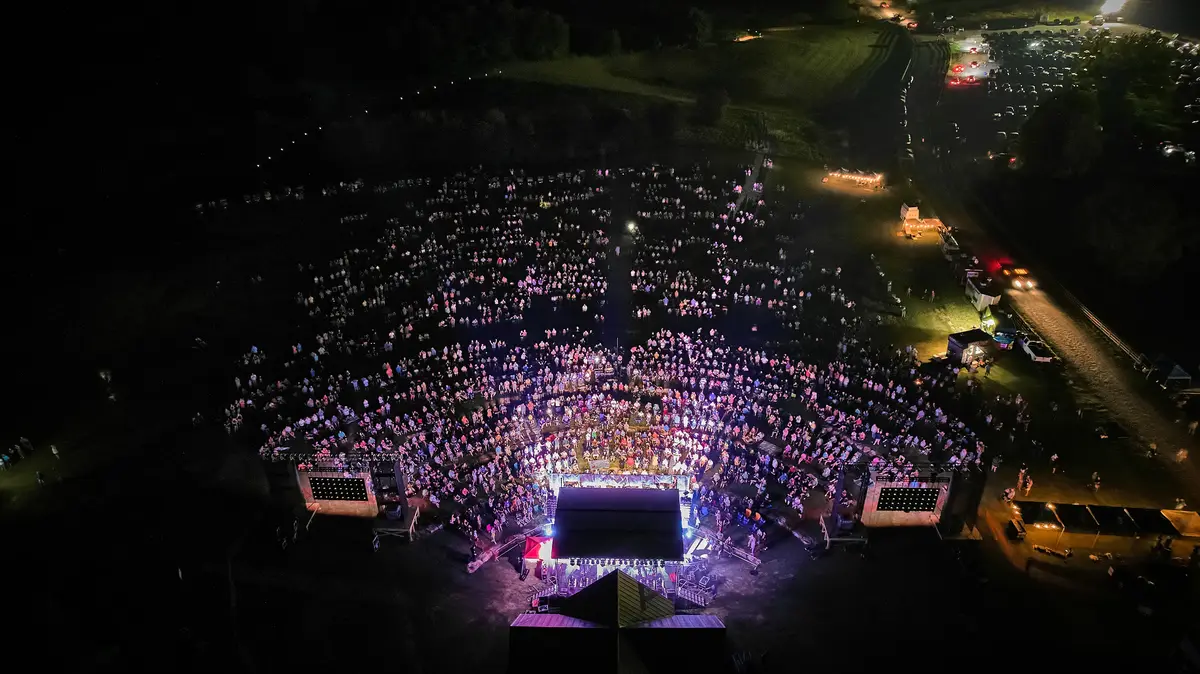
Near the Great Smoky Mountains and the Knoxville area, several communities combine scenic outdoors with active social calendars. Neighborhoods often center around hiking trail access, community gardens, and seasonal festivals. Shared green spaces, volunteer trail maintenance groups, and outdoor concert series are common, creating natural opportunities to meet neighbors.
Seniors and families find lots of intergenerational programming, from nature walks with local naturalists to summer youth sports leagues. Many developments also offer clubhouse spaces used for potlucks, quilting circles, and arts classes, ensuring there’s something for different interests and age groups.
Middle Tennessee: Suburban communities with planned activities
The Nashville region and its surrounding suburbs are known for master-planned communities featuring extensive amenity packages. These often include fitness centers, pools, tennis courts, and multi-use event lawns where regular community events take place. On-site lifestyle directors sometimes coordinate classes, holiday celebrations, and group outings, which is ideal for newcomers looking to plug in quickly.
Developments with walkable town centers encourage spontaneous gatherings at cafes, farmers markets, and artisan fairs. Music-themed events and neighborhood-wide concerts reflect the area’s cultural identity, while makers’ nights and food truck gatherings keep the calendar lively throughout the year.
West Tennessee: Lakeside and small-town community life
Communities along the Tennessee River and around lakes provide a different rhythm—boating clubs, fishing tournaments, and lakeside social hours create a strong sense of place. Smaller towns often center social life around community theaters, historical societies, and civic clubs, leading to deep local engagement and volunteer opportunities.
Lakeside neighborhoods frequently feature marinas, dock access, and shared picnic areas. Social activities tend to be seasonal and outdoors-oriented, with summer regattas, holiday parades, and community barbecues anchoring the social calendar.
Key amenities that create social opportunity
Some amenities reliably lead to active social life because they bring people together regularly and provide reasons to leave the house. When evaluating homes and neighborhoods, pay attention to how these amenities are designed and programmed.
Clubhouses and community centers
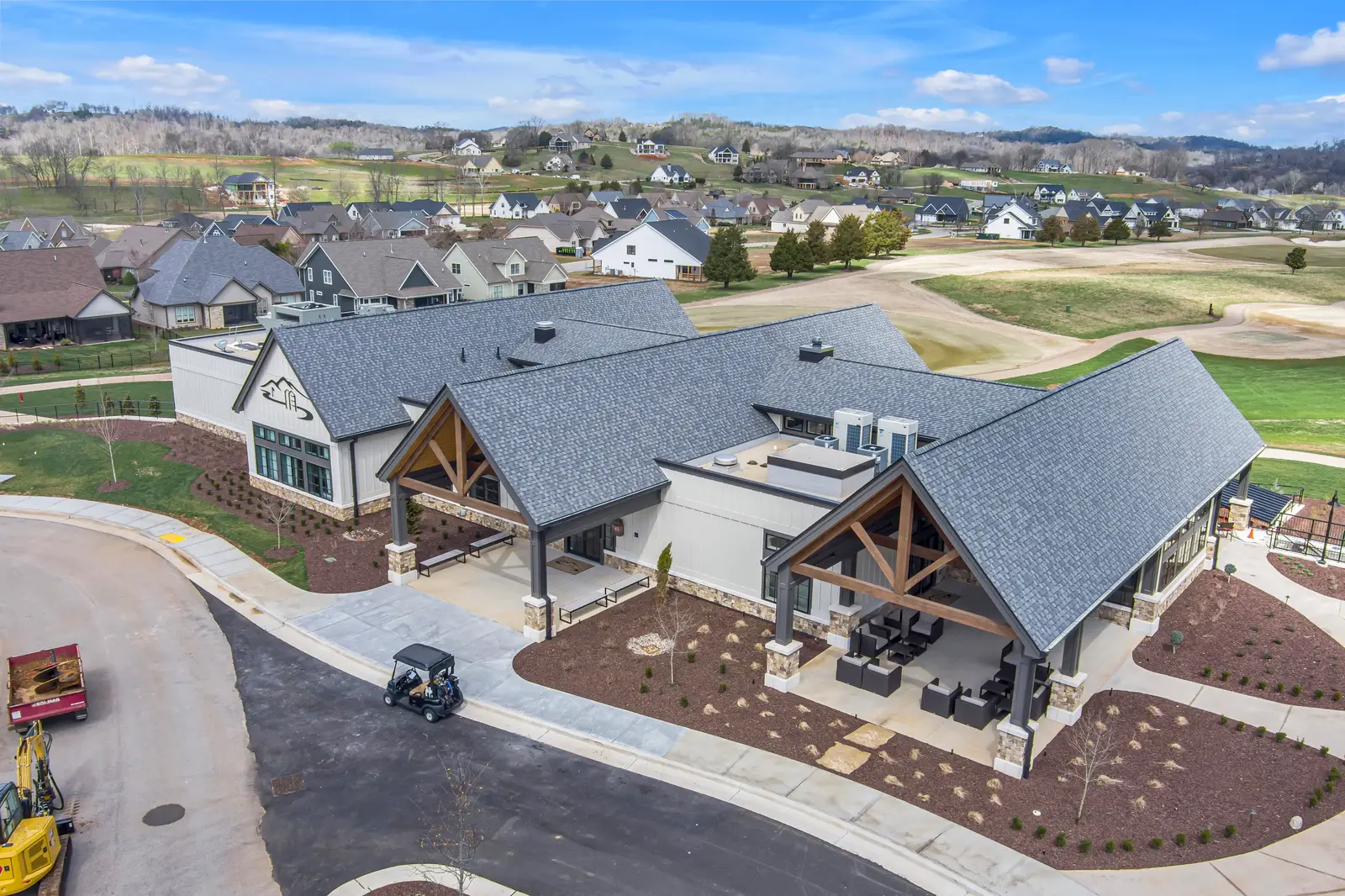
Clubhouses are the social heart of many neighborhoods. A flexible interior with a kitchen, meeting rooms, and multipurpose space can host everything from bingo nights to elected HOA meetings. The presence of a full-time or part-time lifestyle coordinator can significantly increase event frequency and variety.
Pools, courts, and fitness facilities
Shared pools and fitness centers create daily touchpoints for neighbors. Group fitness classes, water aerobics, and doubles tennis tournaments are natural social engines. A well-equipped fitness facility that offers group programming often serves as a de facto community center for health-conscious residents.
Parks, trails, and outdoor gathering spaces
Public parks and trail systems enable informal socialization and organized activities alike. Trails encourage walking groups and running clubs, while parks are destinations for community festivals, pet-friendly meetups, and picnics. Accessibility and safety—good lighting, benches, and clear signage—make these spaces more usable and inviting.
Shared hobby and workshop spaces
Makerspaces, art studios, and woodworking shops support organized classes and drop-in sessions that foster relationships through shared projects. A community that offers these resources often sees residents forming interest-based clubs and co-hosted events, which can enrich neighborhood culture.
How to evaluate a community’s social life before buying
Moving to a new neighborhood is easier when there is a sense of community already in place. Prospective buyers can do several practical things to assess social life before committing to a purchase.
Attend local events and open houses
Visiting community events, farmers markets, or open houses gives a realistic feel for how neighbors interact. Observing turnout, diversity of activities, and how organizers promote events provides insight into how active a community really is.
Talk to residents and the HOA
Conversations with current residents are informative. Asking about regular programming, participation levels, and any issues with scheduling or facility maintenance reveals much about the neighborhood’s social health. The HOA or community manager can provide event calendars and an overview of amenities and membership rules.
Review budgets and governance documents
Financial health and governance affect the quality of social amenities. Review HOA budgets and reserve studies to ensure facilities are well-maintained and programming is sustainable. Clear rules about use of spaces and how events are scheduled also help avoid conflicts once living there.
Who benefits most from social communities?
Different household types find different values in social amenities. Understanding which groups benefit most helps match priorities to neighborhoods.
Young professionals and new arrivals
Young professionals and people relocating to Tennessee often seek neighborhoods with plentiful opportunities to meet others. Regularly scheduled social events, fitness classes, and central meeting spots ease the transition into a new city and help form networks quickly.
Families with children
Families look for safe playgrounds, youth programs, sports leagues, and kid-friendly events. Neighborhoods with active parent groups, supervised summer camps, and school-affiliated activities tend to foster strong connections among families and provide a supportive environment for children.
Seniors and retirees
Seniors often value predictable social programming, convenient access to wellness resources, and spaces that encourage socializing without needing to travel far. Communities with volunteer opportunities, hobby clubs, and accessible design support both independence and engagement.
Planning for sustainability and growth
Long-term community vitality depends on sustainable planning. Well-maintained facilities, inclusive programming, and adaptable spaces allow a neighborhood to evolve with its residents’ needs. Communities that plan for multipurpose use and seasonal events are better poised to keep residents engaged as demographics shift.
Investing in technology—centralized event calendars, online reservation systems, and community apps—can streamline participation and make it easier for new residents to plug into social life. Equitable access to amenities, clear communication, and responsive governance form the backbone of sustainable social infrastructure.
Final considerations when choosing a home with social amenities
Location, cost, and the type of social offerings should guide the decision-making process. Determine which amenities are essential versus nice-to-have, evaluate the neighborhood culture, and confirm that the HOA or community association has a track record of delivering on promises.
Whether drawn to lakeside regattas, mountain trail groups, or suburban concert series, Tennessee provides a wealth of options for buyers seeking active social lives. Selecting a community that aligns with personal interests and lifestyle goals will transform a house into a home filled with friends, activities, and meaningful local connections.
Discover Social Living at Tennessee National
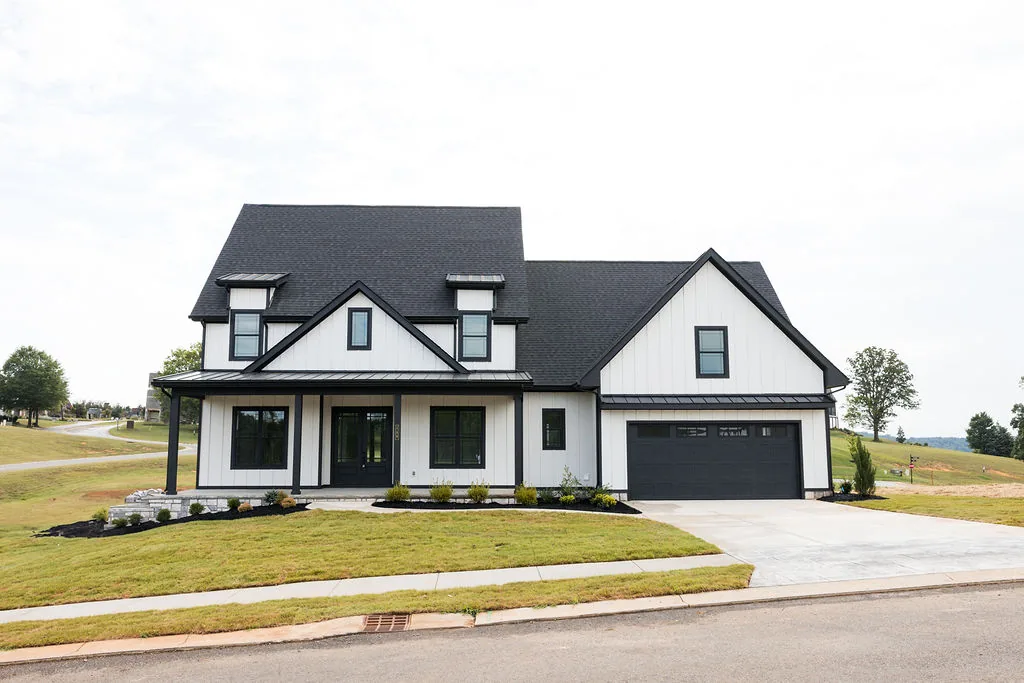
For those seeking a vibrant community filled with social activities and luxury amenities, Tennessee National offers the perfect blend. Enjoy resort-style living with access to a Greg Norman Signature Golf Course, private marina, waterfront dining, and over 20 member amenities—designed to foster connection and an active lifestyle. Whether you prefer a move-in ready home or a custom build, our picturesque gated community provides scenic nature trails, lively social clubs, and exclusive events that bring neighbors together. [