Washington has mountains, water, and a strong outdoor culture. So does East Tennessee. The difference shows up in the price tag, the tax bill, and the pace.
If you are weighing a move from Seattle, Bellevue, Spokane, or the Olympic Peninsula, here is what actually changes.
The tax shift is real
Washington has no state income tax. Tennessee matches that. So on wages, that column looks the same.
The swing comes everywhere else. Washington sales tax runs close to 10% in most metros. Tennessee’s is about 9.75% when state and local are combined—close, but groceries are taxed lower here.
The bigger move is property tax and estate planning.
- Washington estate tax kicks in at $2.193 million. Tennessee has none.
- Washington capital gains tax on investment sales above $250,000 is 7%. Tennessee has none.
- Property taxes in Loudon County run roughly 0.56% of assessed value. King County is closer to 0.93%.
For someone selling a long-held Seattle home or a business, the tax savings can cover years of the new mortgage.
Housing costs drop sharply
Median home price in King County sits near $875,000. In Loudon County, it is closer to $430,000.
That delta changes what “same budget” buys. A 2,400 sq ft home in Sammamish becomes a 4,000+ sq ft custom build on Watts Bar Lake. A condo near Green Lake becomes a lakefront cottage with a boat slip.
The cost-per-square-foot of custom construction in East Tennessee also runs about 30% below Puget Sound pricing. Builders are available. Lumber is local.
Weather: trade gray for green
The biggest lifestyle shock going west-to-east is sunlight.
Seattle averages 152 sunny days a year. Knoxville averages 204. Summers are warmer (highs in the 80s) and winters are mild (average January low around 28°F, with light snow a few times a season).
Humidity is higher in summer—you will feel it. But the payoff is four distinct seasons, fall foliage that rivals New England, and a growing season nearly twice as long.
For outdoor people, that means more days on the water, more rounds of golf, more trail time.
The outdoor culture translates
Washingtonians worried about losing the mountains and water should relax. East Tennessee delivers both.
- Watts Bar Lake: 39,000 acres, deep coves, year-round boating, excellent fishing.
- Great Smoky Mountains National Park: 45 minutes from Loudon, the most-visited national park in the country.
- Cherokee National Forest: hiking, whitewater, waterfalls within an hour.
- The Appalachian Trail: runs 71 miles through Tennessee.
You trade saltwater for freshwater and volcanoes for ancient, forested ridges. The recreational density is comparable.
The pace shift
This one matters more than most people expect.
Seattle and the surrounding metro are fast, dense, and car-heavy. Loudon County is agricultural in character, with small downtowns and real front porches. Knoxville (35 minutes away) covers the big-city needs—airport, hospitals, concerts, SEC football.
People who move here describe the shift as “space to breathe.” It is not slower in a boring way. It is slower in a recoverable way.
Healthcare access is strong
East Tennessee’s medical hub is the University of Tennessee Medical Center in Knoxville—a Level I trauma center, teaching hospital, and cancer treatment facility.
Blount Memorial, Fort Loudoun Medical Center, and a growing network of specialist clinics round out the options. Most major insurance networks are accepted.
Wait times for primary care and specialists are generally shorter than what Seattle-area patients experience.
What to expect your first year
Three things catch new arrivals:
- Humidity in July and August. Plan for a/c, use it, and get acclimated. By year two it feels normal.
- Short winters. Snow shuts down the region for a day or two, total. Bring warm-weather hobbies.
- Stronger sense of community. Neighbors actually know each other here. Expect front-yard conversations.
Where Tennessee National fits
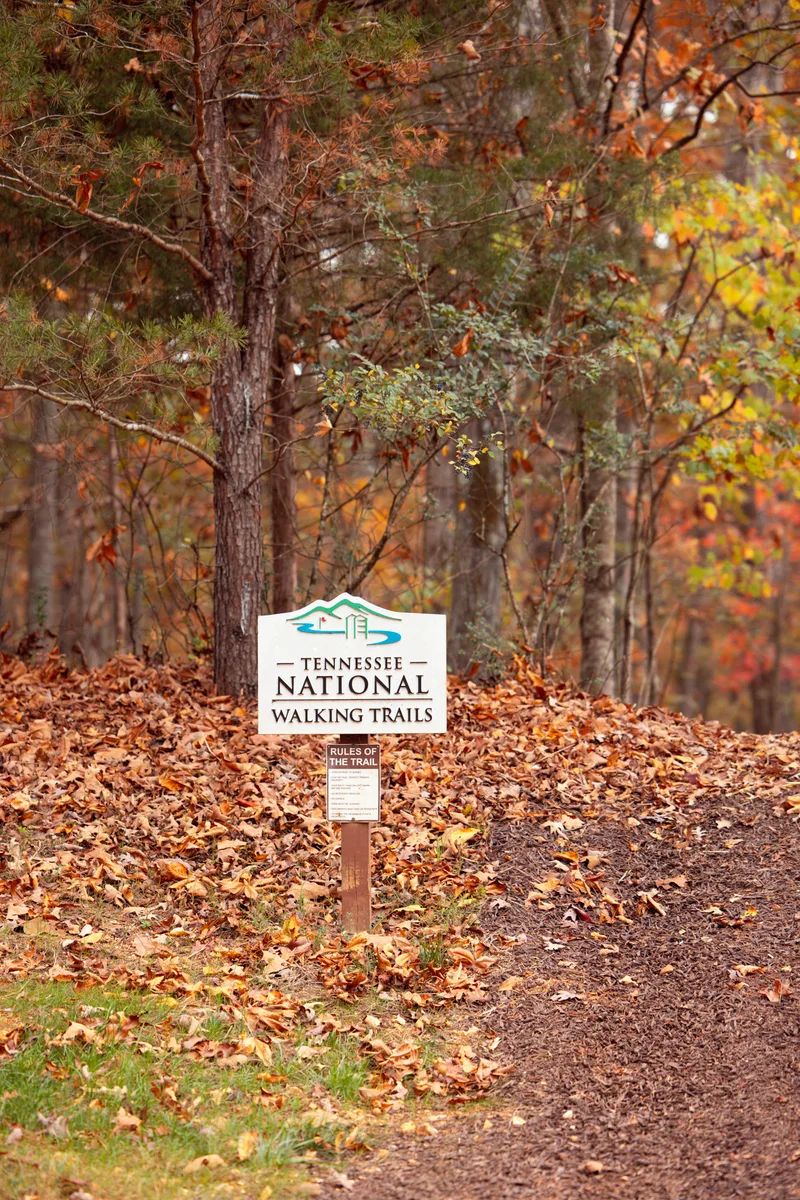
Tennessee National is a gated lakefront golf community in Loudon, 35 minutes from Knoxville and under an hour from the Smokies. For Washington transplants, a few things tend to stand out:
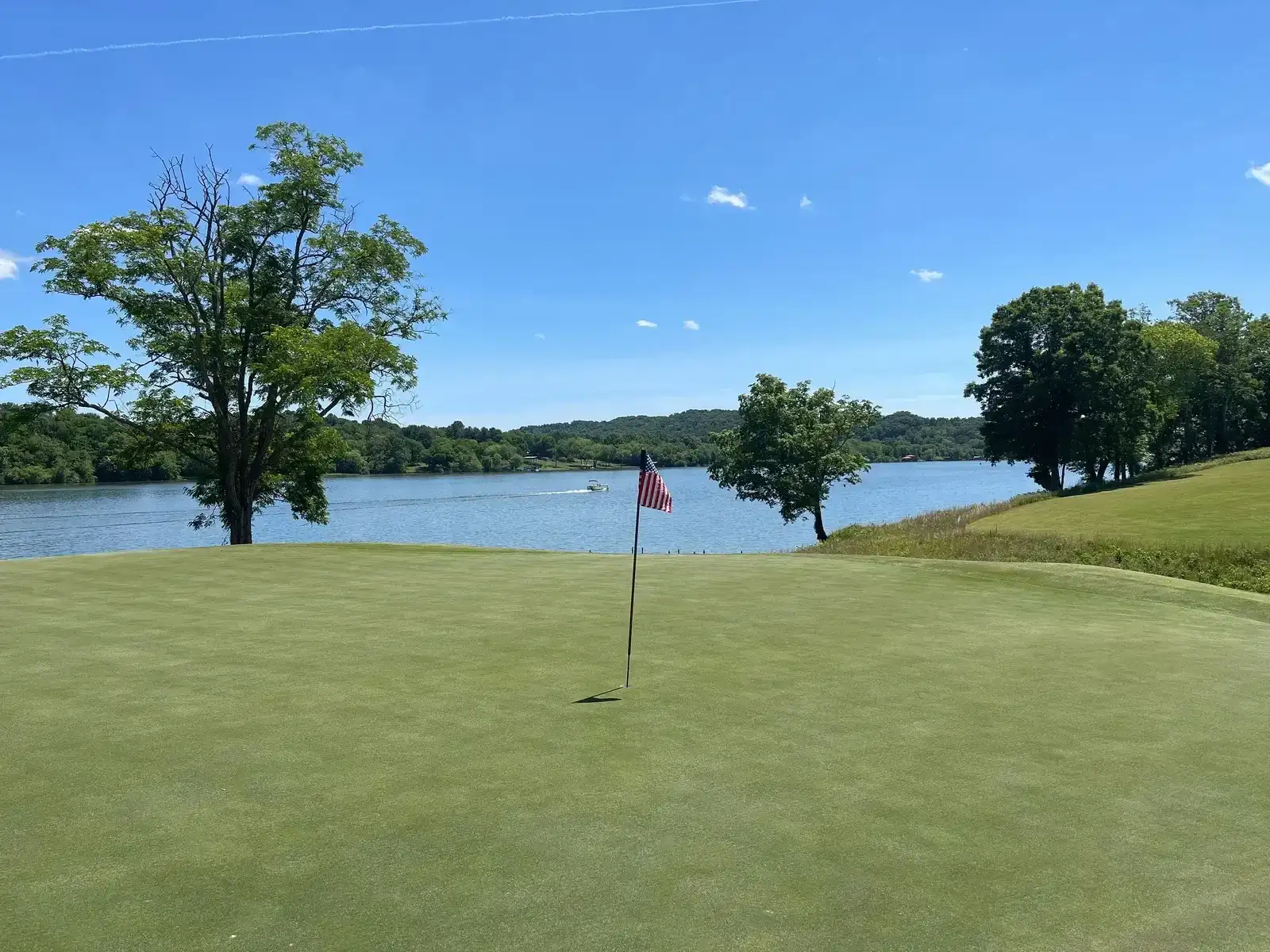
- Direct boat access on Watts Bar Lake with covered and uncovered slips.
- Championship 18-hole golf with lake and mountain views, playable year-round.
- Property options ranging from homesites to lakefront estates.
- An active social calendar that makes the first six months much easier.
The transition from Washington to Tennessee is not just about money, though the money helps. It is about trading one kind of life for another that is warmer, sunnier, cheaper, and—for a lot of people—more connected.
If that sounds worth exploring, the next step is a visit. A weekend here answers more questions than any article ever will.