You’ve done the research. The cost of living works. The tax savings are real. The house is bigger and the views are better. Everything checks out on paper.
But there’s one question that keeps people up at night before a big move: Will I actually make friends?
It’s not a small concern. Loneliness after relocation is real, especially for adults over 40. The structures that built your social life — work proximity, kids’ schools, decades of neighborhood history — don’t come with you.
Here’s the good news: East Tennessee, and planned communities in particular, solve this problem faster than almost anywhere else.
Why Planned Communities Accelerate Friendships
In a typical subdivision, you might wave at your neighbor for three years before learning their name. There’s no built-in reason to interact beyond the mailbox.
Planned communities are designed differently. Shared amenities create natural collision points. A clubhouse, a golf course, a marina, a pool, a fitness center — these aren’t just features. They’re social infrastructure.
At Tennessee National, the layout is intentional. The clubhouse sits at the center of community life. The golf course brings foursomes together three or four times a week. The marina creates a boating culture where dock neighbors become dinner friends.
You don’t have to be an extrovert. You just have to show up.
The First 90 Days Matter Most
Research on adult friendship formation says it takes roughly 50 hours of shared time to move from acquaintance to casual friend, and 200 hours to reach close friendship. That sounds like a lot — until you live somewhere that creates those hours naturally.
Here’s what a typical first three months looks like for new residents at a community like Tennessee National:
Weeks 1-2. You meet your immediate neighbors. Someone invites you to a golf scramble or a happy hour. You say yes even though you’re still unpacking.
Weeks 3-6. You start recognizing faces at the clubhouse, the marina, the fitness center. You join a standing group — a regular golf game, a walking group, a book club. Names start sticking.
Weeks 7-12. You’re getting invited to things. Dinner at someone’s house. A pontoon cruise. A day trip to the Smokies. The conversations go deeper. You stop introducing yourself and start just showing up.
Most residents say by month three, they feel more socially connected than they did after years in their previous neighborhood.
Shared Activities Build Bonds Faster
Adult friendships don’t form through small talk. They form through shared experiences. Doing things together — especially things that involve mild challenge, cooperation, or regular repetition — creates bonds faster than any cocktail party.
This is where the activity-rich environment of a lakefront golf community pays off:
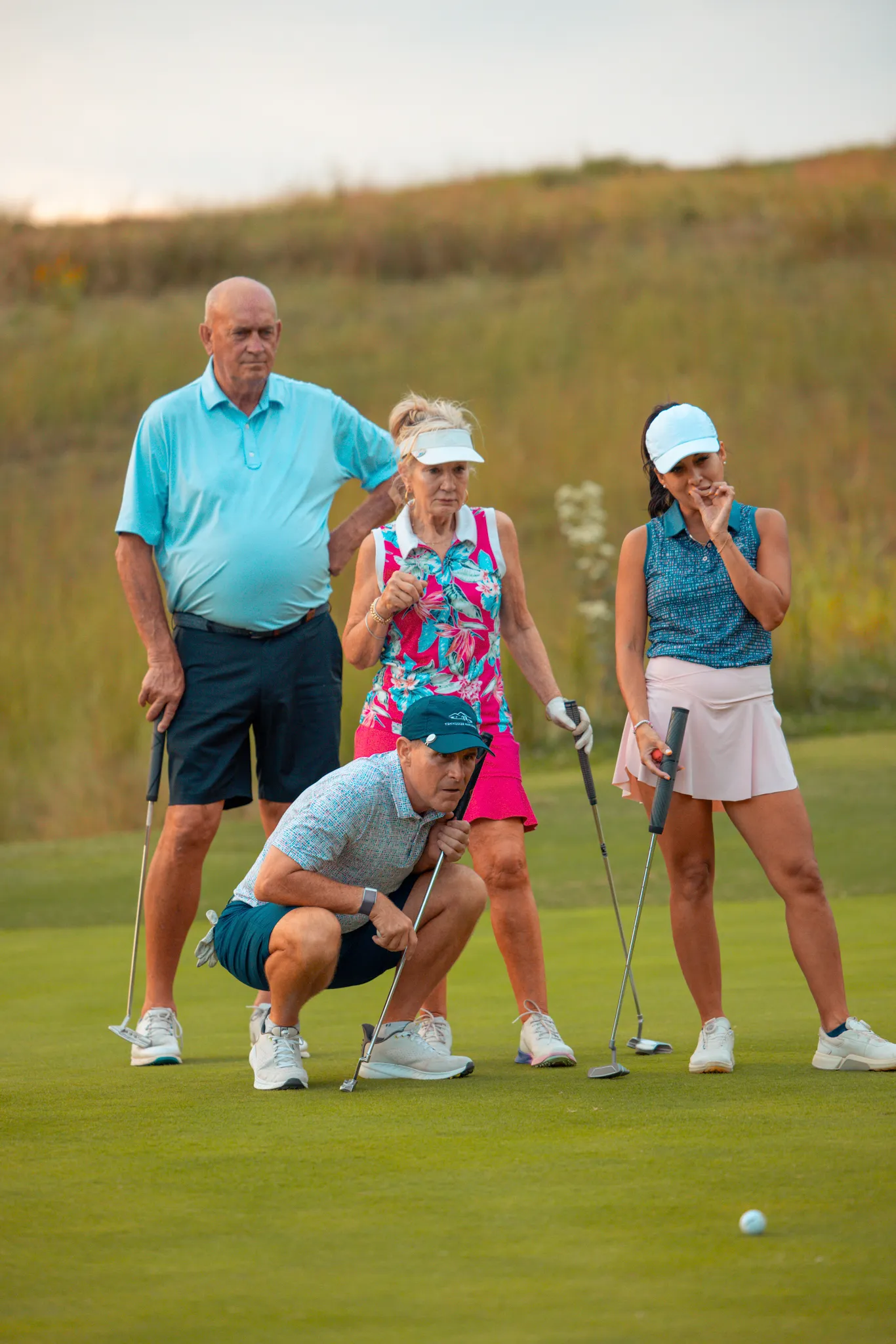
Golf. Four hours on the course with the same group, twice a week. That’s 400+ hours a year of shared time. Golf friendships are some of the deepest because the game creates natural conversation, friendly competition, and regular commitment.
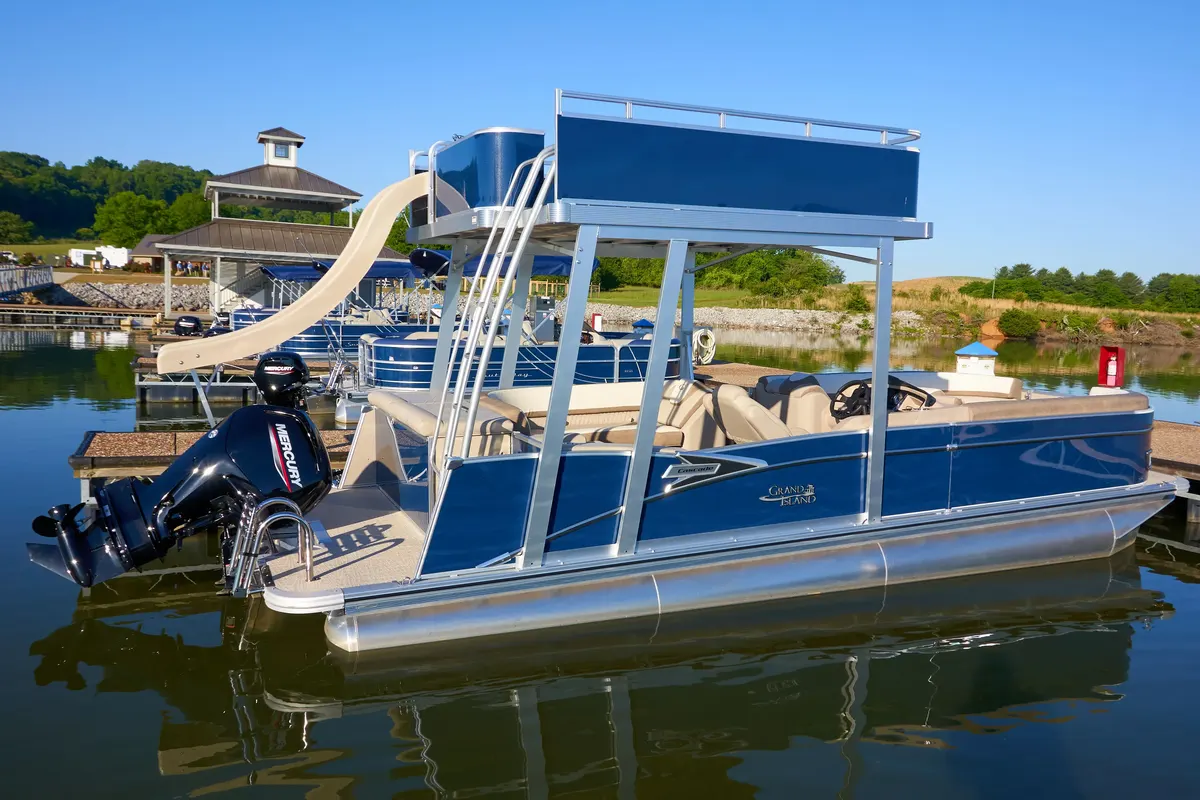
Boating. Lake culture is inherently social. You raft up in a cove. You cruise to a sunset spot. You fish together at dawn. Water strips away pretense. People are relaxed, open, and present.
Fitness groups. Morning walks, pickleball, yoga, swim laps. The regularity matters. Seeing the same faces at 7 a.m. three days a week builds familiarity fast.
Community events. Holiday parties, wine tastings, live music nights, seasonal celebrations. These are low-pressure environments where you can meet a dozen people in one evening.
The Transplant Advantage
Here’s something most people don’t consider: in a community of transplants, everyone is building new friendships at the same time.
At Tennessee National, a significant portion of residents moved from somewhere else — the Northeast, the Midwest, Florida, California. They left behind their own established networks. They know exactly what it feels like to start over.
This shared experience creates an unusual openness. People are more welcoming because they remember being the new person. Invitations come easier. Cliques are less entrenched. The social culture is inclusive because it has to be — everyone was new once.
Compare this to moving into an established neighborhood where families have lived for 20 years. The social structures are locked. Breaking in takes time and luck. In a community of transplants, the door is already open.
Couples and Singles Both Thrive
Couples who move together sometimes assume they’ll be fine socially because they have each other. But healthy social lives require friendships outside the partnership. A community with diverse activities makes this natural — one partner plays golf while the other joins a book club. You build independent networks that overlap at community events.
Solo movers — widows, widowers, divorced adults, never-married professionals — sometimes hesitate about community living. Will it be all couples? Will I feel like a third wheel?
In practice, the activity-based social structure works well for singles. Golf groups, fitness classes, and volunteer committees don’t require a plus-one. The friendships that form are based on shared interest, not couple dynamics.
The Southern Factor
East Tennessee culture runs warm. People talk to strangers. They wave from their cars. They bring food when you move in.
This isn’t performative. It’s genuine. The pace of life here allows for human interaction in a way that’s harder in dense metro areas. You chat with the person behind you at the hardware store. Your server at the restaurant remembers your name by your third visit.
For transplants from the Northeast or Midwest, this can feel surprising at first. You might mistake friendliness for friendship and feel confused when it takes time to deepen. But the warmth is real. It creates a foundation. The depth comes with shared time and consistent presence.
What Actually Works: Advice From People Who Did It
Talk to residents who’ve been through a major relocation, and the same advice comes up:
Say yes to everything for the first six months. Even things you’re not sure about. Especially those. The point isn’t the activity. It’s the people.
Initiate, don’t wait. Invite someone for coffee. Suggest a boat ride. Ask to join a golf group. People want to include you. They just need a signal that you’re interested.
Be consistent. Pick two or three recurring activities and commit. Regularity is the engine of adult friendship. Showing up once is forgettable. Showing up every Tuesday becomes a relationship.
Give it time. Real friendships don’t happen in a week. But they don’t take years either — not in the right environment. Trust the process.
The Friendship Infrastructure at Tennessee National
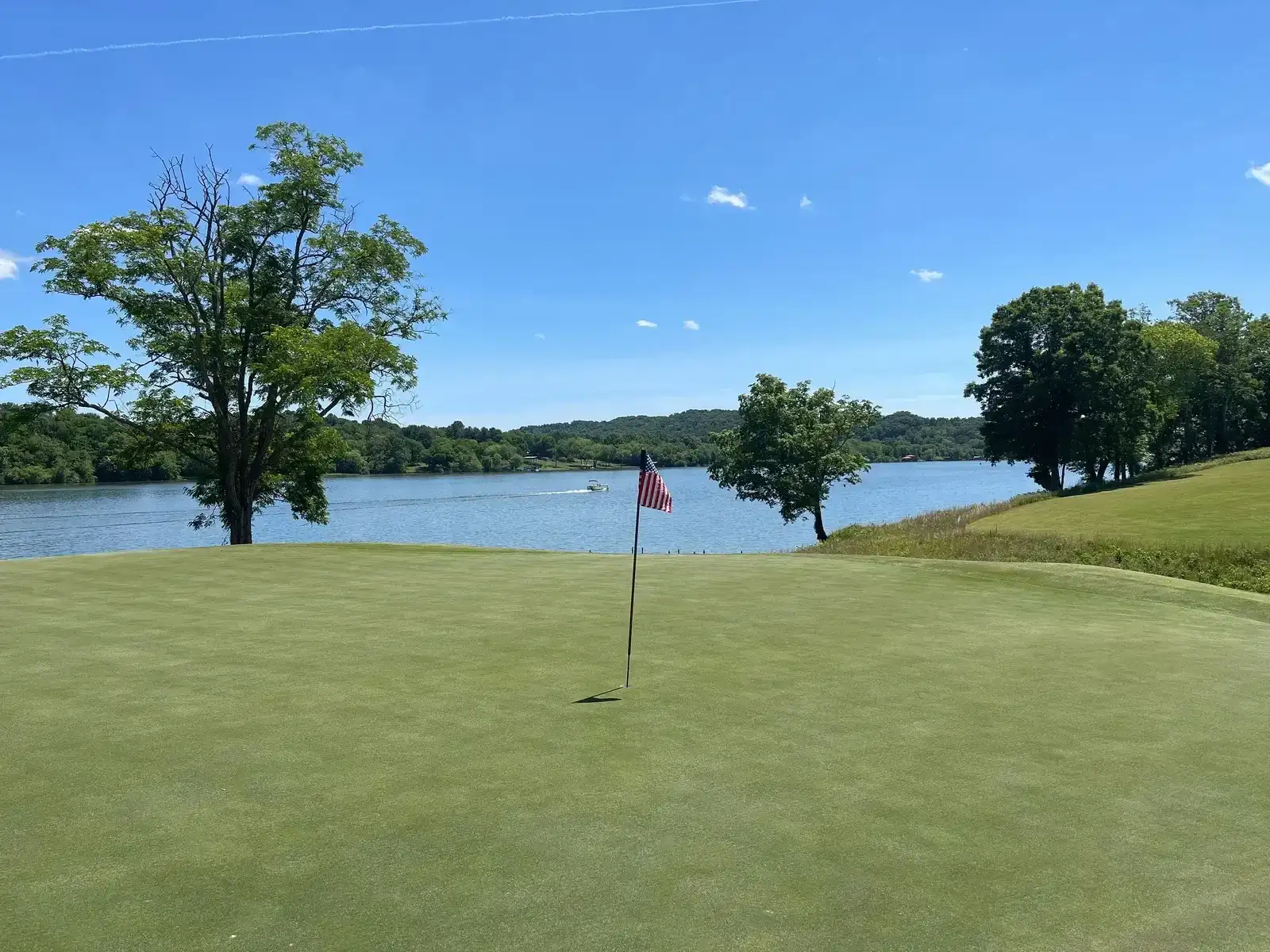
Tennessee National was designed with social connection in mind. The 18-hole championship golf course runs leagues and events throughout the year. The private marina on Watts Bar Lake creates a boating community within the community. The clubhouse hosts everything from casual Friday dinners to holiday galas.
Fitness facilities, walking trails, and the pool add more touchpoints. The community calendar stays full because residents drive the programming — it’s not top-down corporate events. It’s neighbors organizing things they care about.
This infrastructure doesn’t guarantee friendships. Nothing can. But it removes the biggest barrier adults face after a move: the lack of natural opportunities to meet people repeatedly in low-pressure settings.
See It in Action
The difference between reading about community and experiencing it is everything. When you visit Tennessee National, you’ll see it — people waving from golf carts, clusters of friends on the clubhouse patio, pontoons heading out together on a Saturday morning.
Schedule a discovery visit and spend a day inside the community. Talk to residents. Ask them how long it took to feel at home. The answer will probably surprise you.