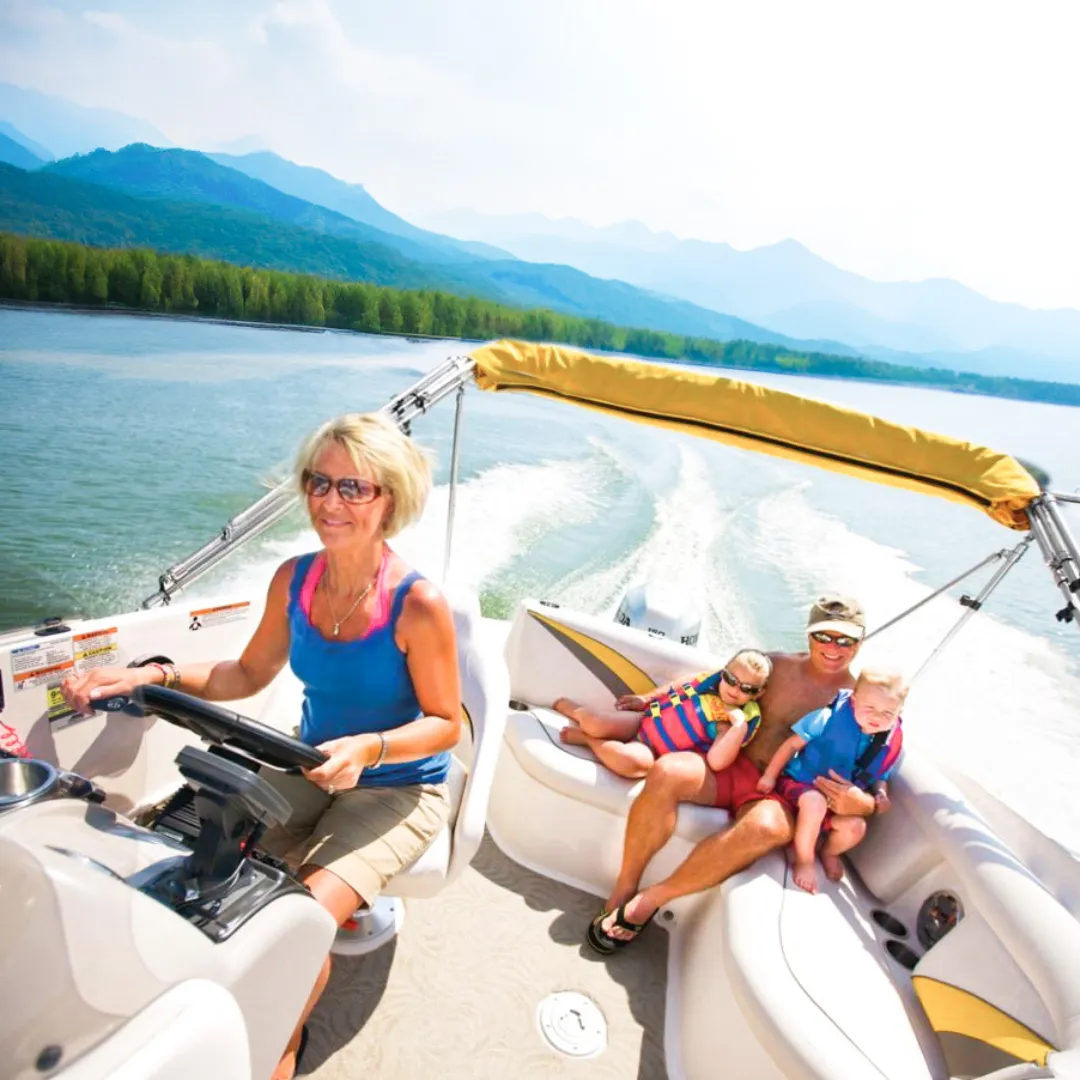
East Tennessee is defined as much by its waterways as by its mountains. From the slow, winding stretches of the Tennessee River to the sparkly coves of Cherokee and Norris Reservoirs, boating here blends outdoor recreation with a distinct regional rhythm. This guide covers where locals go, what to pack, safety and etiquette, seasonal tips, and how to fully enjoy the boating lifestyle while respecting the lakes and communities that make it special.
Where to Go: Top Waterways and What Makes Each Unique
East Tennessee offers a diversity of water environments: broad reservoirs with coves perfect for anchoring, river stretches that invite leisurely cruises, and quieter backwaters suited for fishing and paddling. Choosing a destination often depends on the desired experience—social outings with friends, family-friendly swimming spots, or solitary mornings chasing bass in shaded pockets.
The major public lakes and rivers each carry their own character. Norris Reservoir is renowned for its clear water, steep wooded shorelines, and abundant coves; Cherokee Lake is large and lively with many boat ramps and marinas nearby; Douglas Lake tends to be calmer and well-liked for relaxing weekends; Fort Loudoun provides easy access from Knoxville; and the Tennessee River showcases long stretches and big-water boating opportunities.
Norris Reservoir
Norris is a favorite for those who prefer tree-lined coves and scenic anchoring spots. The shoreline here is often steep and undeveloped in places, creating a feeling of seclusion. On summer weekends, select coves fill with anchored pontoons and wake boats, but the lake’s many inlets still allow for quieter exploration. Fishing is excellent—largemouth bass, smallmouth, and crappie are common catches—and campsites near the water make overnight stays convenient.
Cherokee Lake
Cherokee is large and versatile, with wide-open sections ideal for watersports and numerous marinas providing fuel, supplies, and boat rentals. The lake’s size attracts boaters who enjoy longer runs and socializing in popular areas. There are still quieter stretches for those looking to escape crowds, especially on weekday mornings or in the shoulder seasons.
Douglas Lake and Fort Loudoun
Douglas Lake tends to be more residential in some coves, with lots of weekend homes and community docks. It’s often calmer and favored for family outings and wake-free zones. Fort Loudoun is the urban-accessible choice, convenient for short trips out of Knoxville, with many boaters taking advantage of nearby restaurants and marinas for quick stops ashore.
Watts Bar Lake
Watts Bar Lake, about 35–40 minutes southwest of Knoxville in Loudon County, deserves its own line in any East Tennessee boating guide. It is one of the larger Tennessee River reservoirs, with roughly 80 miles of navigable shoreline, broad main-channel runs, and a steady summer pool that makes planning a day on the water easier than on lakes with bigger seasonal drawdowns. Wide coves give wake boats and pontoons room to spread out, while quieter pockets reward anglers and paddlers.
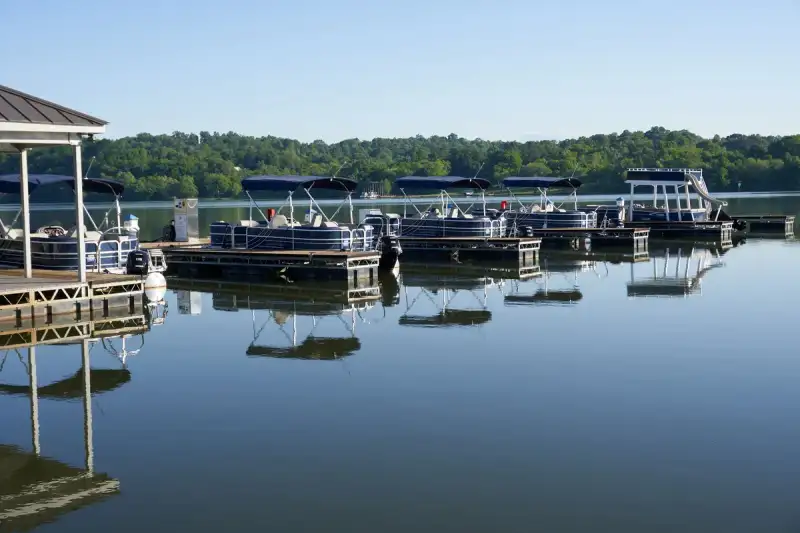
Watts Bar is also where the boating lifestyle becomes a daily one. Tennessee National, a 1,492-acre gated golf and waterfront community on the lake, gives residents a full-service marina and boat slips right at home. Instead of trailering to a public ramp, owners walk down to a slipped boat and are on open water in minutes — the practical difference between visiting the lake and living on it.
Types of Boating and Activities to Try
Boating in East Tennessee isn’t restricted to one style. From pontoon parties and wakeboarding to quiet fishing excursions and kayaking, the options are as varied as the waterways. Matching the boat type and activity to the location improves enjoyment and safety.
Pontoons and Social Cruising
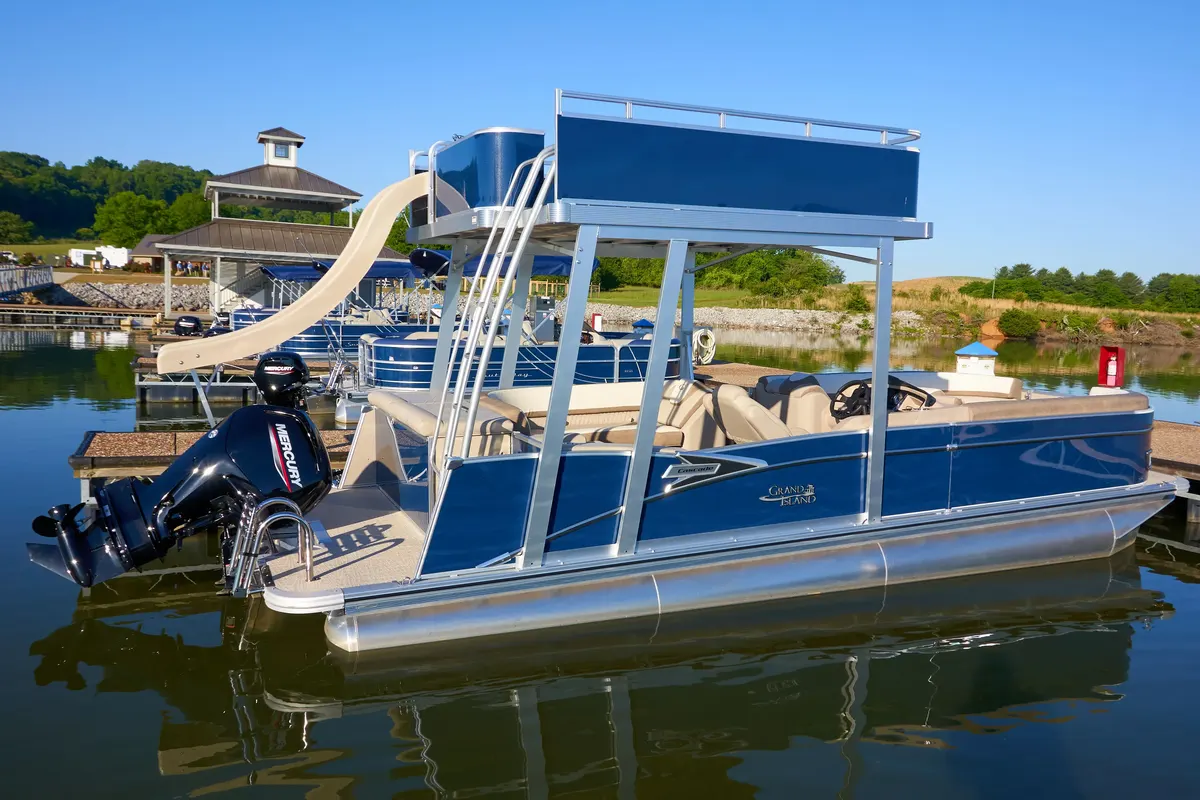
Pontoon boats are a staple for local boaters because they’re stable, roomy, and great for social outings. They make it easy to anchor in a cove, swim, grill, and spend a full day on the water. For groups of friends or families with kids, pontoons are often the go-to choice.
Fishing Boats and Bass Boats
For anglers, a bass boat or small fishing boat lets one cover water quickly and reach rocky points and submerged structure. Many local anglers rise early to chase trophy bass near creek mouths and deeper channels. Tackle shops and marinas around the lakes offer local knowledge and often sell live bait, lures, and maps highlighting productive areas.
Kayaks, Paddleboards, and Canoes
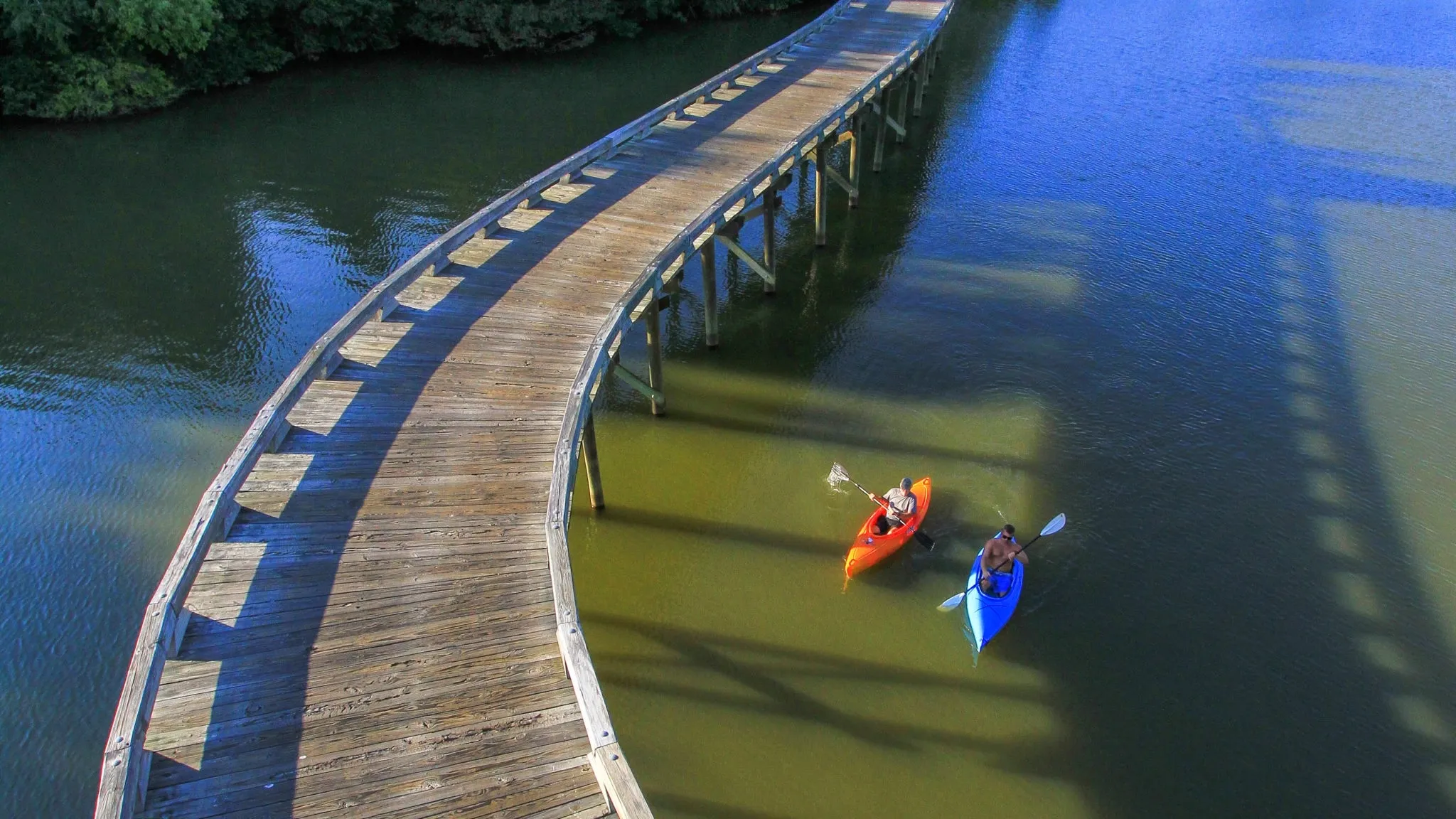
Smaller craft like kayaks and paddleboards offer a different perspective—allowing passage into narrow coves, under low branches, and along shoreline vegetation where larger boats can’t venture. These quiet boats are ideal for wildlife watching and exploring remote parts of the lakes.
Seasonal Considerations: When to Go and What to Expect
East Tennessee’s boating season stretches from spring into fall, with each season delivering a distinct experience. Weather, water temperatures, and crowd levels all shift as the year progresses, so choosing the right time depends on whether solitude, warm-water swimming, or social weekends matter most.
Spring: Warm-Up and Fishing Kickoff
Spring brings warming waters and active fish, making it a prime time for anglers. Weekdays are quieter, while warm holiday weekends start to bring more boats out. Temperatures can be crisp in the morning, so layered clothing and attention to changing weather are important.
Summer: Peak Season and Social Life
Summer is peak boating season. Weekends can be busy, particularly around popular launch ramps, marina areas, and well-known coves. Expect many family outings, watersports, and lively daytime activity. Early mornings and evenings are best for fishing or finding a quieter spot to anchor.
Fall: Cooler Days and Excellent Fishing
Fall offers pleasant temperatures, lower water traffic, and beautiful foliage along the shorelines. Cooler water temperatures often trigger good bass action, and the shorter days mean earlier sunsets that make evening cruises especially scenic. It’s a favored time for those who prefer a more relaxed pace.
Safety, Regulations, and Local Etiquette
Safety remains the top priority on any outing. Following regulations and local customs keeps waterways enjoyable for everyone. Life jackets, navigation lights after dusk, and adherence to posted speed limits near ramps and marinas are basic expectations.
Life Jackets and Boat Safety Equipment
State laws require an approved life jacket for each person on board and typically mandate additional equipment depending on boat type—fire extinguishers, a throwable flotation device, and whistles or horns. Inflatable life jackets are popular for comfort, but ensure they are approved and readily accessible. Children should wear life jackets at all times while on deck or in small craft.
Wake Zones, Noise, and Respect for Shorelines
Many residents live along the lakes, and conserving their peace is part of local etiquette. Slow down in no-wake zones, avoid creating wakes near docks and anchored boats, and be mindful of loud music late in the evening. Prop wash can erode shorelines and harm dock structures, so operating at controlled speeds near homes and marinas is both considerate and required in many areas.
Launching, Parking, and Ramp Courtesy
Boat ramps can get busy on summer weekends. Backing trailers requires space and patience; stay alert and follow local ramp rules. Move vehicles and trailers from the ramp area once the boat is launched or retrieved to allow others to use the facility. If fishing or launching during high-traffic times, be prepared for short waits and plan accordingly.
Gear, Maintenance, and Preparation
Packing smart and keeping the boat well-maintained maximizes time on the water and minimizes surprises. Preparation ranges from basic safety items to maintenance checks and convenience gear for a comfortable day afloat.
Checklists for a Day on the Water
Essentials include personal flotation devices, an anchor and line, a first-aid kit, sun protection (hats, sunscreen, sunglasses), drinking water, and snacks. A small tool kit, spare fuses, and an extra prop pin help during minor mechanical hiccups. Include a waterproof bag for phones and wallets and a paper map or printed directions as a backup to electronic navigation.
Seasonal Maintenance Tips
Before peak season, inspect hulls, check fluids, test batteries, and confirm that bilge pumps work. Winter storage and spring commissioning are two critical times; addressing small issues in the off-season saves headaches later. For those who keep boats at marinas, regular engine flushes and cover inspections help extend boat life.
Food, Socializing, and Shoreside Stops
Boating culture in East Tennessee links closely with good food and local gathering spots. Many trips include meals on the water, dockside visits to shore restaurants, or sunset cruises that end at popular shoreline hangouts.
Packing Meals Versus Dockside Dining
Simple, portable meals work well: grilled kebabs cooked on small boat grills, cold salads, sandwiches, and plenty of hydrating beverages. For those who prefer dining ashore, several marinas feature restaurants and bars where it’s customary to tie up, enjoy a meal, and socialise. Reservations aren’t always required but checking hours and boat-access rules is wise, especially in shoulder seasons.
Community Events and Boat-In Gatherings
Several lakes host regular events—fishing tournaments, charity flotillas, fireworks displays, and boat-in concerts. These gatherings create a strong sense of community and offer a chance to meet other boaters and learn about local initiatives, such as shoreline cleanups and safety workshops.
Respecting the Environment and Local Communities
Conservation and courteous behavior keep lakes healthy and enjoyable for future generations. Simple actions—picking up trash, using biodegradable soaps if washing is necessary, and properly disposing of fuel and oil—make a big difference. Boaters are encouraged to be advocates for clean water and to follow rules for invasive species prevention, such as inspecting and rinsing boats between different bodies of water.
Wildlife and Quiet Zones
Shorelines and coves often serve as habitat for birds, turtles, and other wildlife. Respect seasonal closures and posted signs protecting nesting areas. Reducing speed near fragile habitats helps minimize disturbances and preserves the natural character of the lakes.
Community Involvement
Joining local boating clubs, participating in lake association meetings, or volunteering for shoreline cleanups provides direct ways to contribute. These organizations often share invaluable local knowledge about fish patterns, safe boating practices, and regulatory updates.
Final Tips for Enjoying the Boating Lifestyle
Boating in East Tennessee offers a blend of natural beauty, vibrant community, and diverse recreational opportunities. Whether the aim is a lively weekend with friends or peaceful mornings chasing fish, thoughtful preparation, respect for others, and awareness of seasonal conditions ensure memorable outings.
Local marinas, tackle shops, and lake associations are valuable resources; they can provide maps, rental options, safety courses, and the latest information on ramp conditions and regulations. Embrace the rhythm of the waterways, keep safety first, and let the variety of East Tennessee’s lakes and rivers define each boating adventure.
Discover a Boating Lifestyle Like No Other at Tennessee National
Immerse yourself in the perfect blend of luxury living and boating adventure at Tennessee National. Located within a stunning gated community, enjoy exclusive access to a private marina, waterfront dining, and the vibrant social life that complements East Tennessee’s waterways. From Greg Norman’s Signature Golf Course to scenic nature trails and over 20 member amenities, Tennessee National offers a resort-style lifestyle built around your passion for the outdoors. [