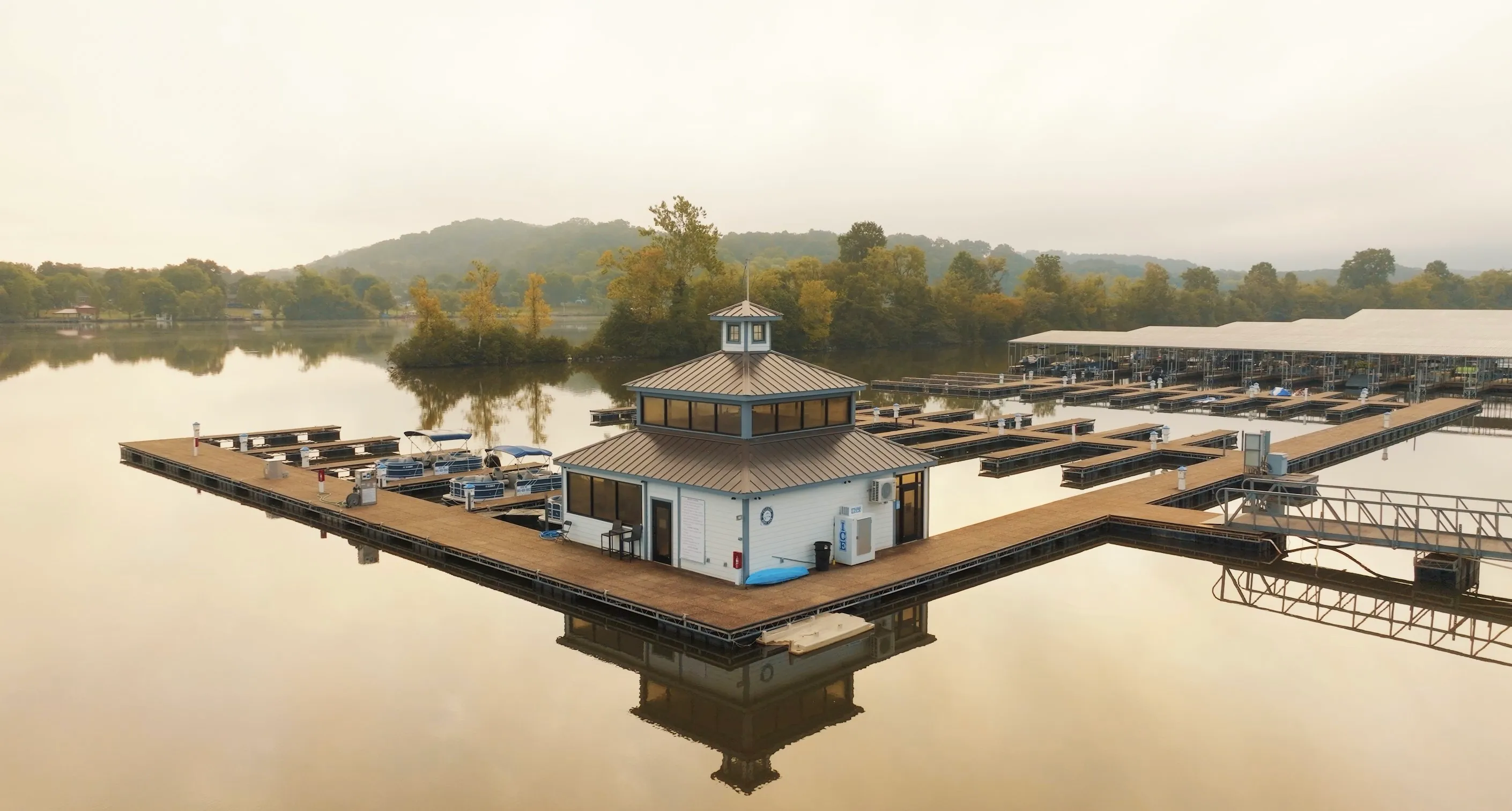
Watts Bar Lake gives you a longer boating season than most northern lake-dwellers expect. With a careful eye on TVA water levels and weather patterns, you can be on the water from early spring through late fall — and use the dock year-round.
Here’s what each month actually looks like if you own a boat on Watts Bar.
March: The Cold Open
Water temperatures in March hover in the low to mid 50s. Air temps swing wildly — 70-degree afternoons, 40-degree mornings. TVA begins the seasonal drawdown refill, bringing the lake back toward full summer pool.
If you’re a serious fisherman, this is the month. Crappie, walleye, and striper bite hard as the water warms. Pleasure boating is cold but possible on still afternoons. Marinas start opening for the season mid-month.
Serious boaters use March to haul, service, and reinstate their boats ahead of the busy months.
April: Soft Launch
By mid-April, the lake is usually at or near summer pool. Water temps climb into the low 60s. Weekends get busier, but the lake is still quiet compared to high season.
April is ideal for shakedown cruises — testing systems, checking electronics, making sure everything works before you need it. Rain is frequent. Thunderstorms develop quickly. Pay attention to forecasts.
Bass fishing peaks. The spring shad run pulls everything toward shallow water. Underrated month.
May: The Real Season Begins
Memorial Day weekend marks the official start of crowded-weekend boating. But the full first three weeks of May are genuinely beautiful — warm enough to swim on the warmer days, empty enough that you still feel like the lake is yours.
Water temps reach the low 70s. Wakeboarding, tubing, and cruising all come alive. Evenings are stunning — long daylight, cool air, water like glass.
If you can use your boat on a Wednesday in May, do it. That’s peak experience without peak crowds.
June: Peak Conditions, Rising Traffic
Summer pool is fully in. Water temps hit the mid to upper 70s. Weekends are busy but manageable, particularly on a 72-mile-long lake with more than 780 miles of shoreline — there’s room to spread out.
Thunderstorm risk climbs. Afternoon pop-up storms are common. Get on the water early or late. Mid-day June boating in full sun without shade gets intense fast.
June is the month most visitors see Watts Bar at its best: green mountains, blue water, boats everywhere but not on top of each other.
July: High Season
The lake is fully alive in July. Every slip is used, every sandbar is occupied, every cove has at least one raft-up. Water temps hit 82-85°F — genuinely warm, genuinely swimmable.
Weekends — especially the Fourth of July — are crowded. Weekdays remain excellent. Sunrise cruises are magical. Evening pontoon runs with a cold drink and a sunset are the defining Watts Bar experience.
Storms are a real planning factor. Check radar every time you head out. Watts Bar storms can build fast and hit hard.
August: Warm Water, Lighter Crowds
The surprise month. August water temps peak in the mid-80s. Air is hot and humid, but by mid-month the summer crowds thin as families start preparing for school.
Late August is one of the best-kept secrets for boat owners at Tennessee National. Weekdays are quiet. Weekends are manageable. The water is still warm enough for every water sport.
Fishing slows a bit in the heat, but early-morning and late-evening trips produce well.
September: The Best Month Nobody Talks About
If you could pick only one month to boat on Watts Bar Lake, September makes a strong case. Water temps stay in the high 70s through most of the month. Air temps ease into the 70s and 80s — comfortable, not oppressive.
Crowds drop significantly. The lake feels expansive. Sunrise and sunset colors get noticeably better as the angle of light changes.
Fishing rebounds as water cools. Bass, crappie, and catfish all respond.
Plan a long weekend on the boat in September. You’ll understand why people move here.
October: Fall Color Cruising
Water is still warm enough for comfortable cruising — low 70s early, low 60s by month’s end. The real draw is what’s happening on shore.
Fall color on the hills surrounding Watts Bar peaks in mid-to-late October. A pontoon cruise through a hardwood-lined cove with full color is one of East Tennessee’s singular experiences.
TVA begins drawing the lake down late in the month. Water levels drop slowly. Some shallower areas get tricky. Stay in marked channels.
November: Winding Down
First half of November can still produce beautiful boating days — crisp, clear, and nearly empty. Water temps drop to the mid-50s. Swimming is done. Cruising in layers is still excellent.
Most recreational boaters haul out mid-month. Marina activity slows. Tennessee National residents with covered slips often leave boats in the water longer — the lake stays accessible even when you’re not actively using it.
December Through February: Dock Life
The lake is at winter pool, typically 6-8 feet below summer levels. Boating is limited to the hardiest anglers. Most boats are winterized and either stored or left in covered slips.
But the lake itself is still beautiful. Winter morning fog. Bare hardwoods on the hills. Bald eagles overhead. A dock on Watts Bar is a year-round amenity, not a seasonal one.
Planning Your Year at Tennessee National
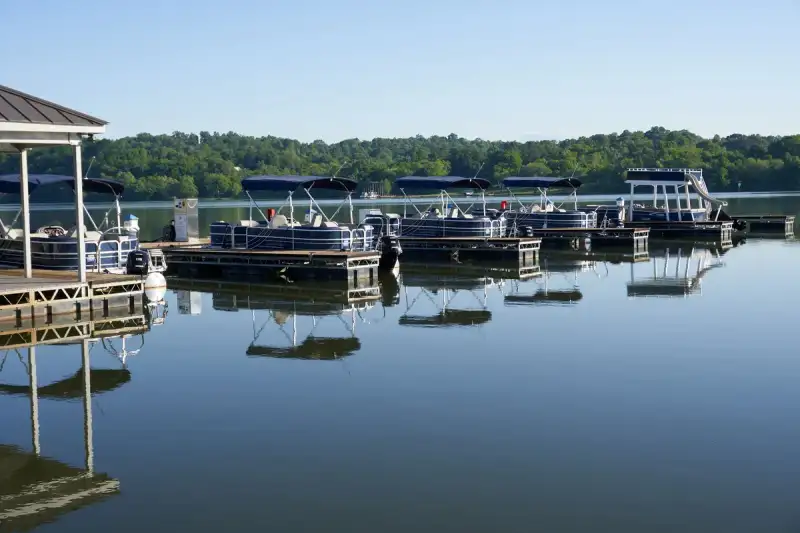
The private marina at Tennessee National gives boat owners a major advantage: covered slips keep your boat protected, and the community’s location on Watts Bar puts you within easy cruising distance of some of the lake’s best coves, restaurants-by-water, and fishing spots.
Seven solid months of active boating. Year-round lake access. A season that rewards early planning and rewards you doubly if you know the rhythms of each month.
Come see the lake in the season you love most, and we’ll show you what life on the water here really looks like.