You don’t need to drive to a wildlife refuge to see a bald eagle in East Tennessee.
You need a cup of coffee and a dock.
Watts Bar Lake is a 39,000-acre TVA reservoir that cuts through some of the richest bird habitat in the Southeast. Forested coves, shallow backwaters, open water, and rocky bluffs — all in one lake. Birds love it. So do the people who wake up to them.
Here’s what to look for, and when.
The resident bald eagles
Watts Bar has a year-round bald eagle population. Not a single rare sighting. Multiple nesting pairs.
You’ll see them most often along forested shorelines and near creek mouths, where they hunt fish from low branches. Mornings are best. The golden hour right after sunrise is prime time.
Winter brings even more eagles. Migrating birds from further north push into the lake from December through February, joining the residents. It’s not unusual to see three or four in a single morning.
Great blue herons — the lake’s constant
If eagles are the lake’s celebrity, great blue herons are the regulars.
You’ll see them in every cove, standing perfectly still in the shallows, waiting for a fish to make a mistake. They nest in rookeries — look for clusters of stick nests high in dead trees near the water.
Green herons and little blue herons show up in smaller numbers. Night herons hunt after dark from dock pilings and marina rocks.
Ospreys own the summer
From late March through September, ospreys rule the skies over Watts Bar.
They build massive stick nests on channel markers, dead snags, and cell towers. Watch for them hovering over open water, then dropping feet-first for fish. It’s the best aerial show on the lake.
By October, most migrate south. They’re back by early April.
Waterfowl season
Fall and winter bring the ducks.
Buffleheads, ring-necked ducks, gadwalls, American wigeon, and the occasional hooded merganser work the lake from November through March. Open water near Tellico Dam and the wider Watts Bar pool is best for rafting flocks. Protected coves hold smaller groups.
Canada geese stay year-round. So do the wood ducks that nest in boxes along wooded shorelines.
Songbirds in the trees
The forest around the lake holds surprises.
Spring migration (April to May) is the big show. Warblers move through in waves — hooded, yellow-rumped, pine, prairie, yellow, and black-throated green. Orioles, tanagers, and rose-breasted grosbeaks pass through in smaller numbers.
Summer residents include indigo buntings, blue grosbeaks, red-eyed vireos, and pileated woodpeckers. The pileateds are unmistakable — crow-sized, red crest, jackhammer loud on dead wood.
Where to go
You don’t need a boat to bird Watts Bar, but it helps.
By land: shoreline trails and parks around Tennessee National, the greenways near Loudon, and public access points along TN-72 are solid spots.
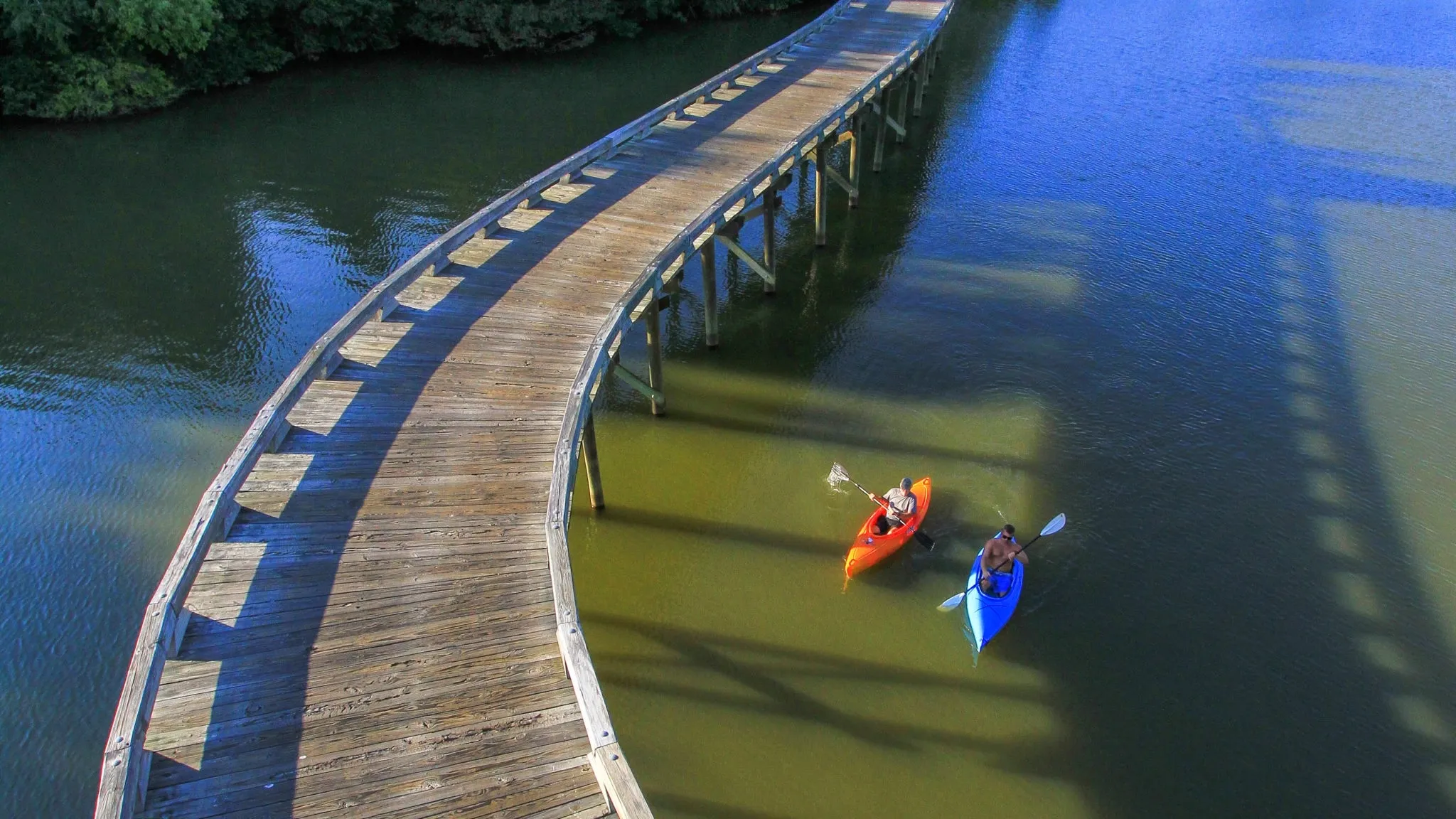
By water: kayak into the quieter coves on the Little Tennessee River arm. Launch early. Bring binoculars. Let the boat drift.
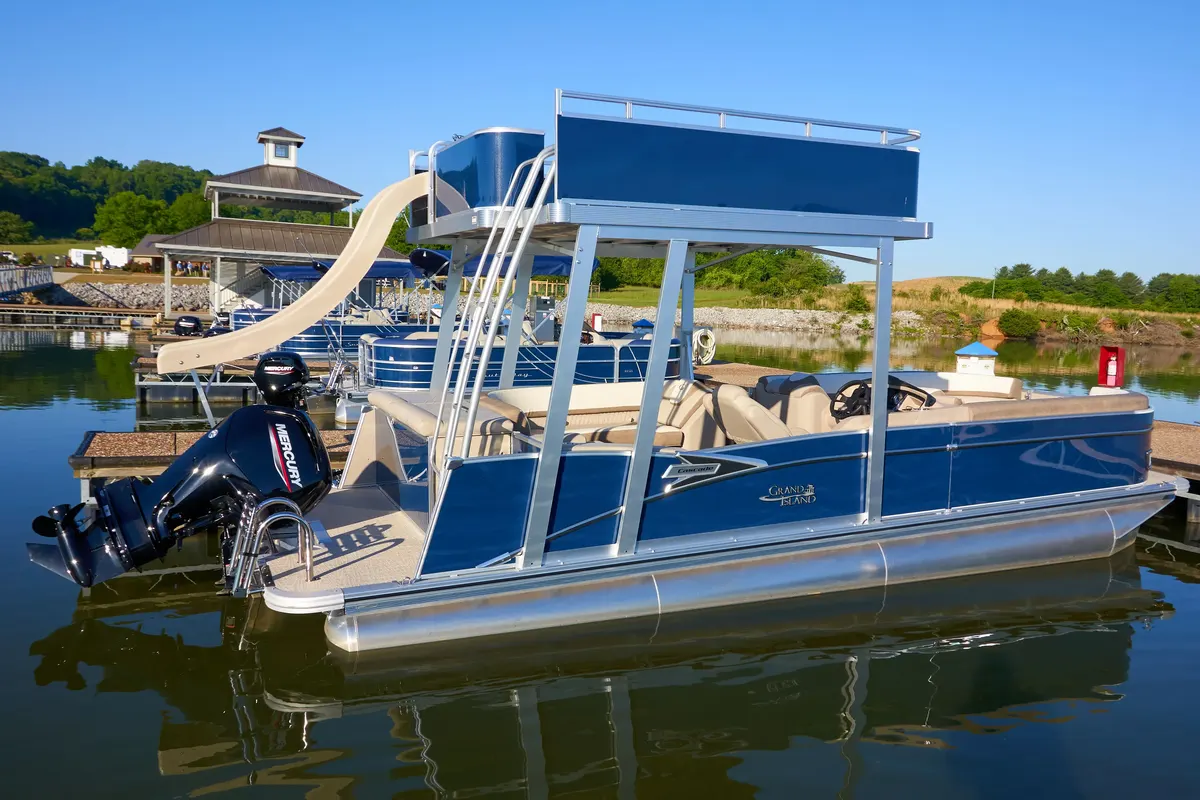
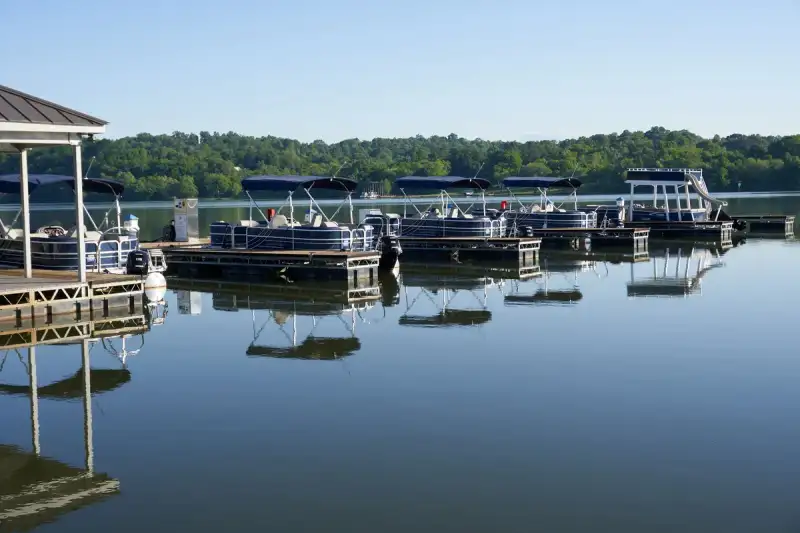
Residents at Tennessee National have a shortcut: community docks and a private marina give you direct lake access without the trailer and launch routine. You can be on the water before the first cup of coffee cools.
A month-by-month cheat sheet
January: Bald eagles peak. Waterfowl still strong.
February: Eagles nesting. Early signs of spring songbirds.
March: Ospreys return. Early warblers arrive.
April–May: Peak spring migration. Warblers everywhere.
June–August: Ospreys, herons, summer residents. Early mornings are best — it gets hot.
September: Fall migration starts. Warblers move through again.
October–November: Waterfowl arrive. Songbird numbers drop.
December: Winter eagles peak. Bundle up for the best viewing.
Why this matters for lake homeowners
If you’ve been considering a home on Watts Bar, the birdlife is part of the package most real estate listings don’t mention.
Your morning view isn’t just the lake. It’s ospreys diving, herons stalking the shallows, and the occasional eagle gliding past at eye level.
It’s one of the quiet reasons people who move here stop traveling for nature. The nature shows up at your dock.
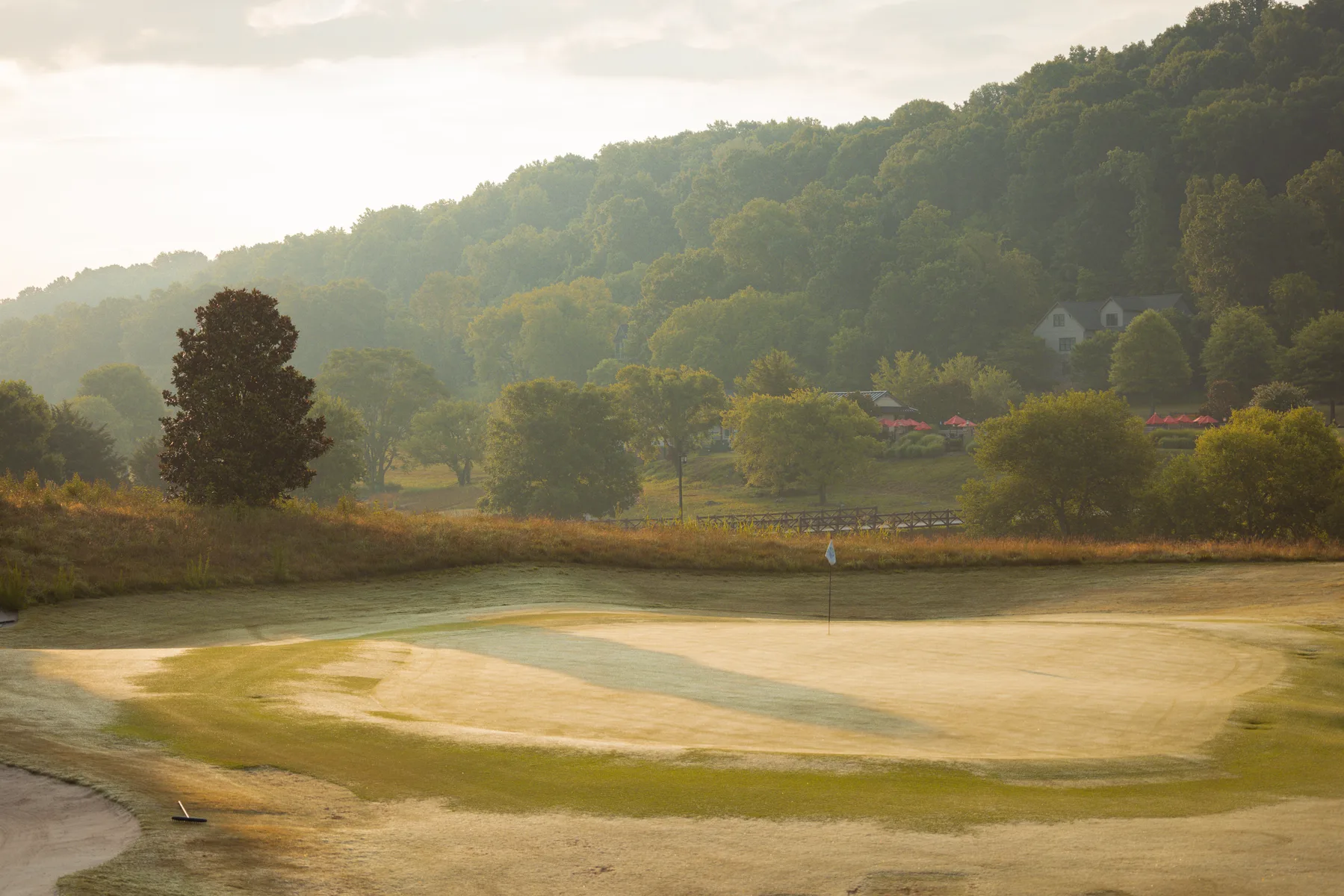
Tennessee National sits on a prime stretch of Watts Bar shoreline. Come see what the birds already know.