Watts Bar Lake wasn’t built for speed. It was built for mornings so still you can hear your paddle break the surface from 50 yards away.
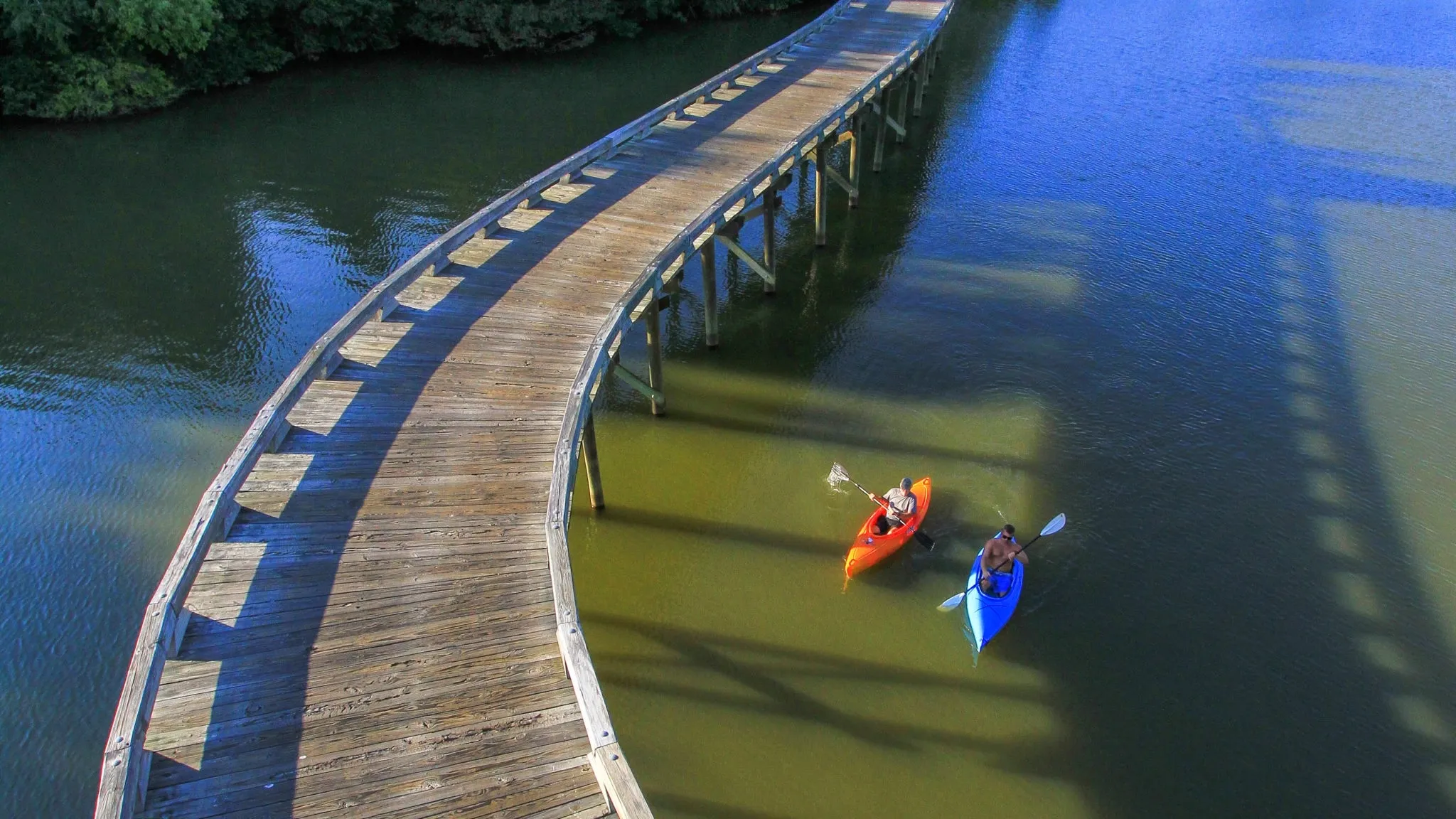
With 39,000 acres of water and 783 miles of shoreline, this TVA reservoir is one of the best paddling destinations in East Tennessee. Whether you’re on a kayak or a stand-up paddleboard, Loudon County puts you in the center of it.
Why Watts Bar Lake Works for Paddlers
Most large lakes have a boat traffic problem. Watts Bar manages it with sheer size. The main channel handles the pontoons and ski boats. The coves, creeks, and backwater areas stay calm.
That separation is what makes Watts Bar ideal for kayaking and SUP. You don’t have to fight wake. You just pick a direction and go.
Water levels stay consistent because it’s a TVA-managed reservoir. No dramatic seasonal drops. No mud flats in August. The lake is reliable from March through November — and mild enough for winter paddles if you dress for it.
Tennessee National’s Private Launch
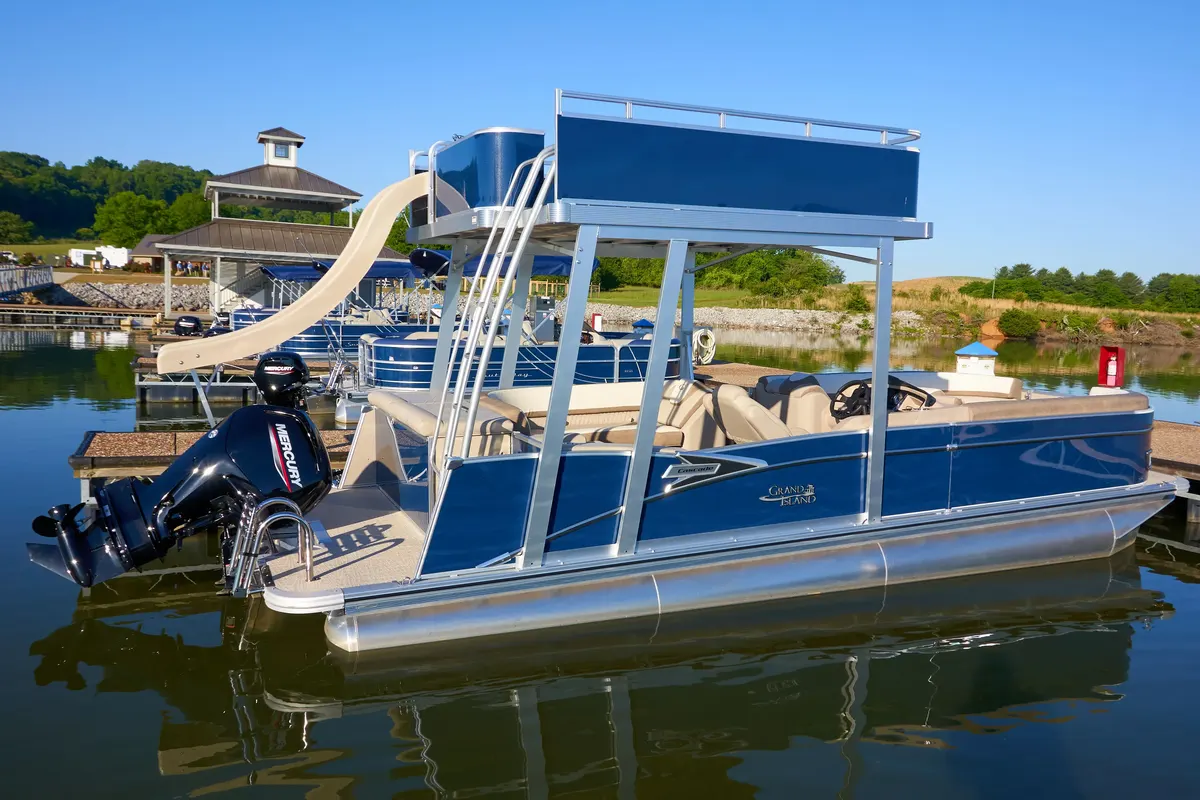
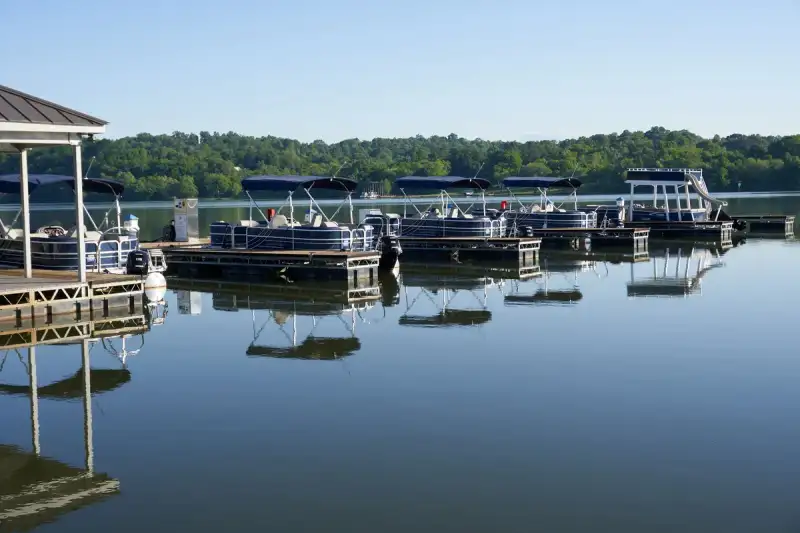
Residents of Tennessee National don’t need to trailer a kayak anywhere. The community’s private marina on Watts Bar Lake includes direct water access.
Launch from the dock, paddle into the cove, and you’re in open water within minutes. No ramp lines. No parking hassles. No loading and unloading.
For paddleboarders, the protected water near the marina is perfect for morning sessions before the wind picks up. Flat, glassy, and quiet.
The Best Coves for Calm Water
Watts Bar Lake’s irregular shoreline creates dozens of protected coves. These are the best ones within easy paddling distance of Loudon:
Riley Creek Embayment. Wide, shallow, and sheltered. Great for beginners and wildlife watching. Herons and osprey are common here spring through fall.
Whites Creek Area. A narrow arm that winds back into wooded hills. The water is calm even on windy days because the terrain blocks the gusts. Excellent for a longer paddle with shade along the banks.
The Clinch River Confluence. Where the Clinch feeds into Watts Bar, the water slows and spreads. It’s a beautiful stretch with bluffs on one side and gentle banks on the other. More current than the coves, so better for experienced paddlers.
Fort Loudoun Dam Tailwater. Below the dam, the water moves but stays manageable for kayaks. The scenery is dramatic — big rock walls and clear water. Check TVA flow schedules before heading out.
Open Water Routes for Distance Paddlers
If you want mileage, Watts Bar delivers. A few routes worth knowing:
Marina to Lenoir City Bridge. About 4 miles one way along the main channel edge. Stick close to the shoreline to avoid boat traffic. The bridge makes a natural turnaround point.
Loudon County Shoreline Loop. A 6-8 mile route hugging the southern shore. Multiple coves to duck into if you need a break. Best done early morning before afternoon wind.
Island Hopping. Several small islands dot the lake. Paddle out, beach the kayak, stretch, and paddle back. Distances vary from 2-5 miles depending on your starting point.
Best Time of Day and Season
Morning wins. Water is calmest before 10 AM. Wind typically picks up by early afternoon, especially in summer. Sunrise paddles on Watts Bar are genuinely special — mist on the water, bass jumping, no engine noise.
Spring (March-May): Water temps warm quickly. Wildflowers on the banks. Moderate boat traffic. Best overall season for paddling.
Summer (June-August): Warm water, longer days. Go early to beat the heat and the pontoon crowd. Evening paddles after 6 PM are another sweet spot.
Fall (September-November): The best-kept secret. Boat traffic drops. Foliage lights up the shoreline. Water stays warm enough through October for comfortable paddling.
Winter (December-February): For the dedicated. Water temps drop into the 40s and 50s. Dress in layers or a dry suit. The upside: you’ll have the lake completely to yourself.
Gear and Rentals
You don’t need much to get started. A basic sit-on-top kayak runs $300-$500 new. Inflatable SUPs that pack into a backpack start around $250.
For rentals, several outfitters near Lenoir City and Loudon offer hourly and half-day kayak and paddleboard rentals. Most include a paddle, PFD, and basic instruction.
Tennessee National residents often keep kayaks and boards at the marina or in their garages. The short distance to the water makes spontaneous paddles easy — no planning required.
Safety on the Water
A few basics that matter:
Wear a PFD. Tennessee law requires one per person in every vessel, including kayaks and paddleboards. Inflatable belt PFDs are comfortable and barely noticeable.
Stay visible. If you’re paddling near the main channel, wear bright colors or attach a flag to your kayak. Pontoon drivers sit high and sometimes struggle to spot low-profile paddlers.
Check the weather. Afternoon thunderstorms roll through in summer. If you see dark clouds building over the Smokies, head in. Lightning on open water is no joke.
Tell someone your route. Even on a calm day, a plan is smart. Tennessee National’s tight-knit community means someone will notice if you’re not back when expected.
More Than Exercise
Paddling on Watts Bar isn’t just a workout. It’s how you decompress.
There’s something about being at water level — eye to eye with a great blue heron, watching a bass hit a surface bug three feet from your board — that resets everything.
At Tennessee National, this isn’t a weekend trip. It’s a Tuesday morning. The lake is right there, and the paddle is always ready.
That’s what living on the water actually means.