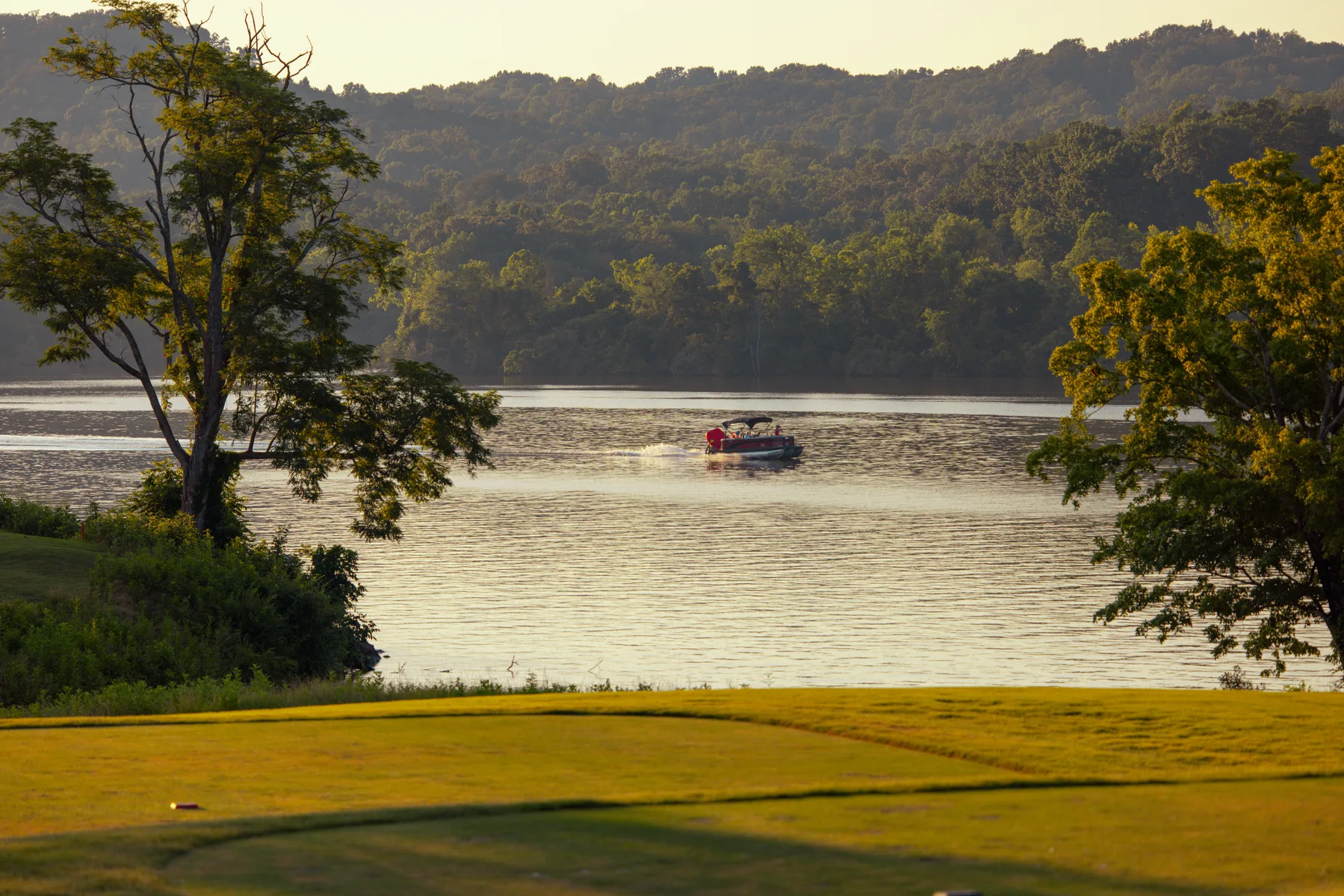
Few settings match the calm of a lakeshore morning: mist rising, birds calling, and the water catching the first light. For retirees seeking balance between relaxation and activity, a lake-centered lifestyle offers both a soothing backdrop and countless opportunities to stay engaged, healthy, and socially connected. This article explores ways to make the most of lake living, covering physical activities, social life, safety, home adaptation, budgeting, and seasonal considerations.
Why a Lake Lifestyle Appeals to Retirees
Lakes provide a unique combination of natural beauty and recreational variety. The environment encourages outdoor time without requiring strenuous travel or complex planning. Short walks along the shore, gardening with a view, or paddling for gentle exercise are accessible to many fitness levels.
Beyond the physical benefits, living near water supports mental wellbeing. Views of open water can reduce stress, improve mood, and create a sense of place. The slower rhythms of lakeside towns often translate to lower noise levels, fewer crowds, and an opportunity to form deep local connections.
Health and Wellbeing Advantages
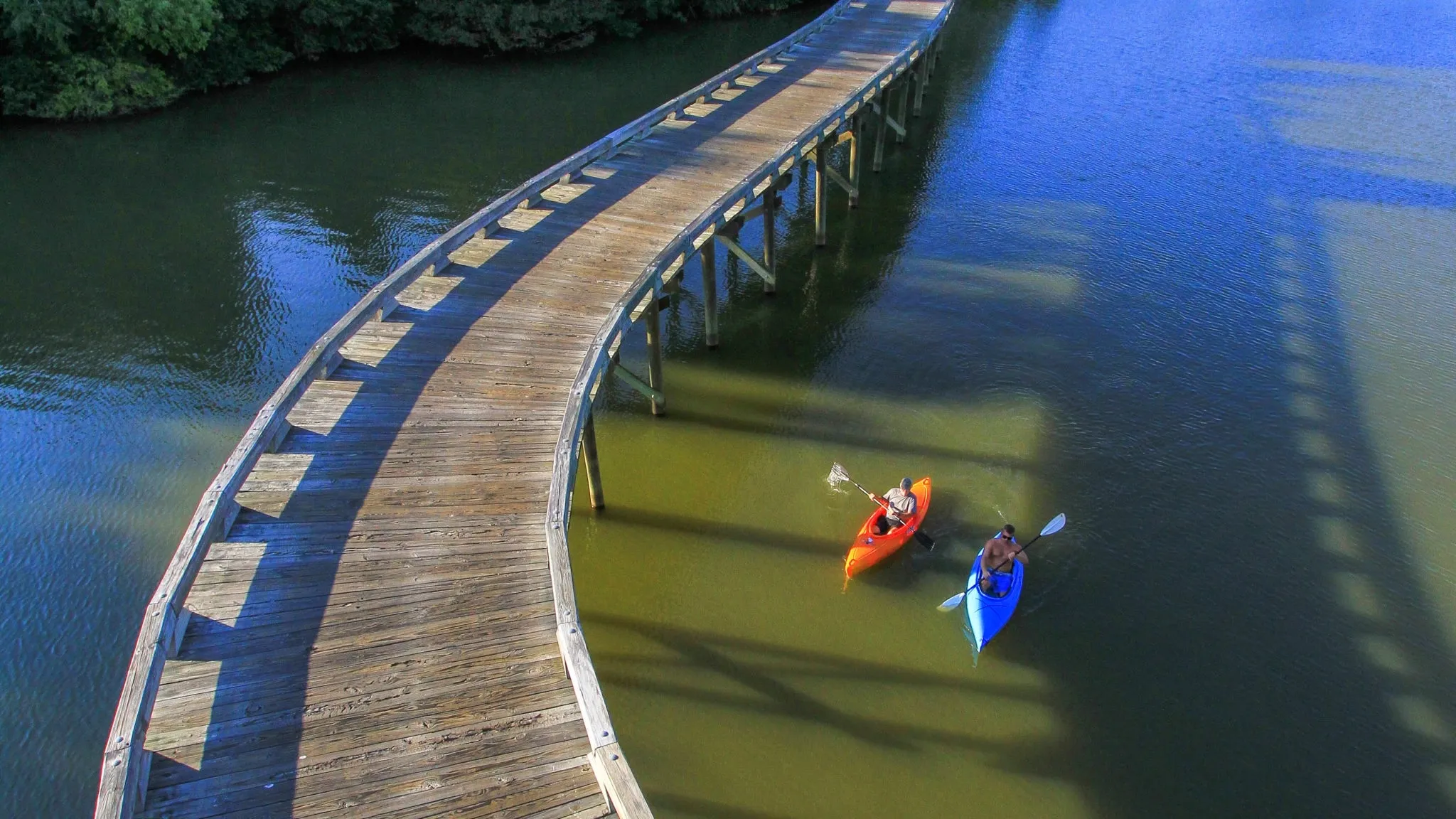
Regular exposure to natural settings is linked with improved cardiovascular health, reduced blood pressure, and better sleep patterns. Activities like kayaking, fishing, and walking are low-impact yet effective for maintaining mobility, strength, and balance—key concerns as people age.
Social and Community Benefits
Lakeside communities frequently center around shared interests: boating clubs, fishing groups, birdwatching circles, and volunteer-led conservation efforts. These groups make it easier to meet neighbors and form meaningful friendships, reducing feelings of isolation that can affect retirees.
Active Pursuits That Fit Different Fitness Levels
An active lake lifestyle need not be physically demanding. There are options for every level of fitness, from gentle, restorative activities to more energetic pursuits. Choosing a balanced mix keeps the routine interesting and sustainable.
Gentle Options: Walking, Tai Chi, and Fishing
Shoreline walks can be adjusted in length and pace to match fitness levels, offering aerobic benefits without impact stress. Tai Chi classes often held in parks or community centers boost balance and flexibility while fostering calm. Fishing provides relaxation and light activity, encouraging patience and presence.
Moderate Activities: Canoeing, Stand-Up Paddleboarding, and Biking
Canoeing and stand-up paddleboarding offer full-body workouts that are easy on the joints. Both activities strengthen core muscles and improve coordination. Lakeside bike paths expand range for exploration, enabling longer outings at a comfortable intensity.
Higher-Energy Options: Sailing, Water Skiing, and Tennis
For those who prefer a higher-adrenaline experience, sailing and water skiing are rewarding ways to stay fit and involved. Community sailing clubs frequently provide lessons and group outings, which can shorten the learning curve and increase social opportunities. Tennis courts are common in many lake communities and provide excellent cardiovascular exercise and friendly competition.
Building a Routine Around the Lake
Establishing a routine helps integrate physical activity, social engagement, and maintenance tasks into daily life. A balanced schedule provides structure while leaving room for spontaneity—an important ingredient for long-term enjoyment and adherence.
Mornings: Movement and Mindfulness
Early mornings are ideal for quieter activities: walking, yoga, or a short paddle before the wind picks up. Starting the day with gentle movement and fresh air primes both body and mind for the hours ahead.
Afternoons: Projects and Social Time
Afternoons can be well-suited for gardening, joining local classes, or meeting friends for coffee. Community centers and libraries often offer workshops, lectures, and craft groups that support continued learning and socialization.
Evenings: Relaxation and Entertainment
Dinners on the patio, local concerts, or simply watching the sunset over the water create a satisfying close to the day. Many lakeside towns host seasonal events—farmers markets, art walks, and outdoor music—that offer gentle evening entertainment.
Adapting the Home for Comfort and Safety
Adopting an active lake lifestyle also involves practical home adaptations to enhance comfort, mobility, and safety. Thoughtful changes can make daily living easier while preserving independence.
Entryways, Flooring, and Lighting
Wide, non-slip entryways and well-lit paths reduce the risk of falls. Flooring should balance traction with easy maintenance; many retirees prefer low-threshold transitions and strategically placed rugs with non-slip pads. Motion-activated lighting in hallways and entry points improves nighttime visibility.
Bathrooms and Kitchens
Grab bars, walk-in showers, and adjustable-height showerheads enhance bathroom safety. In kitchens, pull-out shelves, lever handles, and seating at the counter support comfortable meal preparation and reduce the need for bending or reaching.
Outdoor Living Spaces
Well-designed outdoor spaces encourage time spent outside. Comfortable seating, shaded areas, and sturdy railings along steps create inviting, usable patios and decks. Raised garden beds reduce the need to kneel, making gardening accessible to more people.
Staying Safe on and Near the Water
Water offers rewards and risks. Prioritizing safety ensures that an active lifestyle remains sustainable and enjoyable. Small precautions and skills development make a big difference.
Essential Skills and Education
Swimming proficiency is foundational for waterfront living. Local community centers often offer swim classes tailored to older adults. Boating safety courses, such as those provided by recognized organizations, teach navigation, weather assessment, and emergency procedures.
Personal Protective Equipment
Life jackets should be worn for paddling, boating, or when near the water edge—many modern designs are lightweight and comfortable. Non-slip footwear and weather-appropriate clothing help prevent accidents and reduce exposure-related risks.
Emergency Preparedness
Keep a charged phone or two-way radio, a basic first-aid kit, and a plan for acute weather changes. Familiarity with local emergency services and knowing the quickest routes to medical care are important steps for peace of mind.
Connecting with the Community
Social richness often defines the quality of retirement experiences. Joining clubs and volunteering are effective ways to meet people, pursue passions, and contribute to the wellbeing of the lake environment.
Volunteer and Civic Opportunities
Many lake communities rely on volunteers for events, environmental stewardship, and local governance. Volunteering can be tailored to energy levels and interests—everything from shoreline cleanups to hosting visitor center shifts makes a meaningful impact.
Clubs and Interest Groups
Boating clubs, walking groups, arts circles, and book clubs provide structure for regular social engagement. These groups often offer tiered participation, allowing members to join occasional outings or take on leadership roles as desired.
Intergenerational Activities
Opportunities often exist to engage younger generations through teaching, mentoring, or shared activities. Intergenerational programs enrich community life by blending experience with fresh perspectives and energy.
Budgeting for a Lake Lifestyle
Financial considerations shape the feasibility of moving to or maintaining life at the lake. It helps to evaluate costs realistically and plan for both ongoing expenses and occasional repairs or upgrades.
Housing and Maintenance Costs
Property prices vary widely depending on region, lake size, and local amenities. Maintenance costs for waterfront properties can be higher due to humidity-related wear and dock upkeep. Budgeting for periodic repainting, roof inspection, and dock maintenance is prudent.
Equipment and Club Fees
Initial investments like a kayak, life jackets, or a small sailboat can be modest or significant depending on preferences. Many communities offset cost by offering rental options or club-owned equipment, allowing participation without large upfront purchases.
Health Care and Insurance
Proximity to health care should be a factor in choosing a lakeside location. Health insurance costs and accessibility to medical services can influence overall affordability and long-term planning.
Seasonal Living: Making the Most of Each Time of Year
Lake life changes with the seasons, and embracing those shifts keeps life varied and satisfying. Each season offers distinctive activities and practical considerations to ensure comfort and engagement year-round.
Spring and Summer: Peak Activity
Spring and summer are prime for boating, swimming, gardening, and outdoor festivals. Longer daylight hours support extended outings and social events. This is also the time for preventive maintenance—checking docks, clearing storm debris, and prepping outdoor furniture.
Fall: Harvest, Migratory Birds, and Cooler Excursions
Fall brings quieter trails, colorful foliage reflections on the lake, and excellent conditions for hiking and birdwatching. Cooler temperatures make physical activity more comfortable for many, and fall festivals provide cultural enrichment.
Winter: Quiet, Planning, and Alternative Activities
Winters in some lake regions are tranquil; others bring snow and ice. Adaptations might include indoor fitness classes, snowshoeing, or joining community winter gatherings. Off-season periods are ideal for planning next year’s projects and equipment maintenance.
Making the Move or Deepening Local Ties
Whether relocating to a lakeside town or choosing to deepen ties with an existing community, thoughtful steps make transitions smoother and more rewarding.
Visiting Before Committing
Spending extended time in a potential location—staying through different seasons if possible—reveals the rhythms of local life. Attending community events and trying out local clubs helps determine fit beyond the postcard view.
Creating a Flexible Plan
Flexibility matters. A phased approach—renting before buying, or trying seasonal living—lets preferences evolve without major commitments. Close coordination with family and trusted advisors ensures financial and logistical considerations are addressed.
Staying Open to Change
What works at one stage may shift with time. Remaining open to adapting routines, downsizing possessions, or modifying living arrangements preserves autonomy and maintains the joys of lakeside life without unnecessary strain.
Final Thoughts
An active lake lifestyle offers a compelling combination of exercise, nature, and community—particularly well-suited to retirement years when time allows for exploration and relationship-building. By prioritizing safety, choosing activities that match fitness and interests, and connecting with the local community, this way of life can support both physical health and emotional fulfillment.
Thoughtful preparation—from home adaptations to emergency planning and financial readiness—ensures enjoyment of the lake through all seasons. With the right balance of activity, rest, and social engagement, lakeside living can become a fulfilling chapter rich with discovery and calm.
Discover Your Ideal Active Lake Lifestyle at Tennessee National
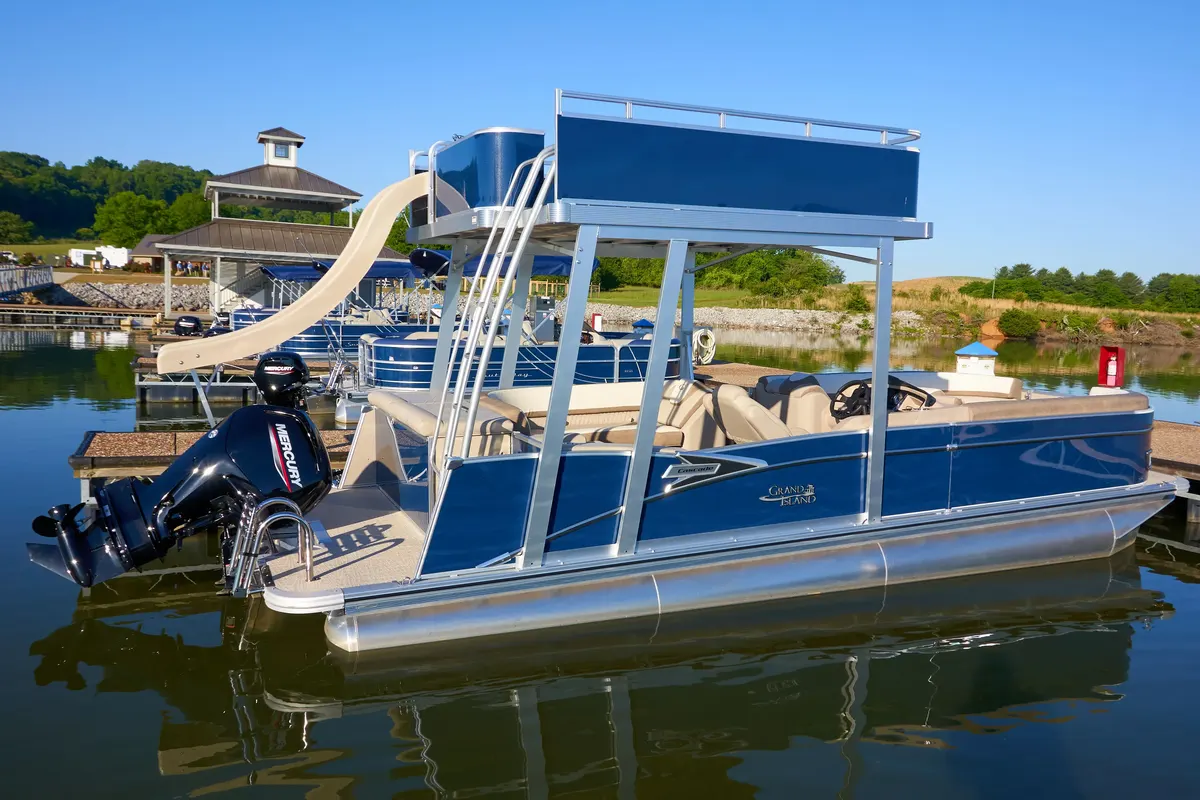
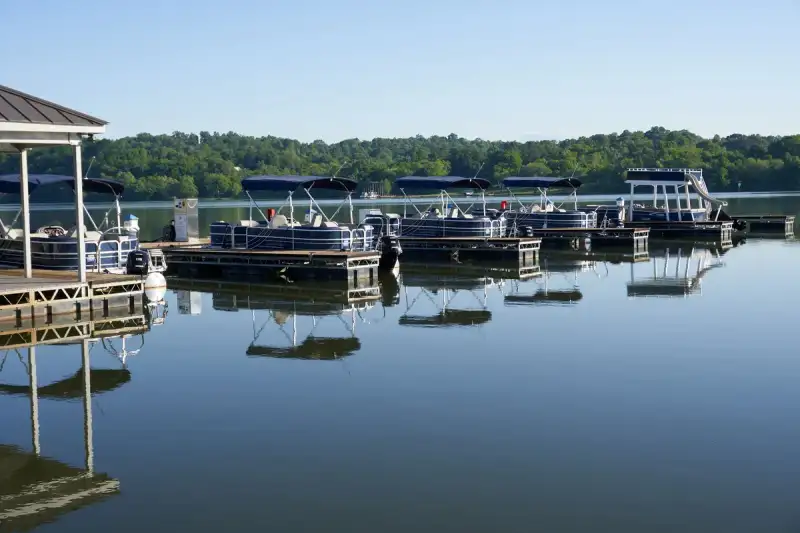
Ready to embrace an engaging lakeside retirement filled with activity, community, and natural beauty? Tennessee National offers the perfect setting with luxury homes, a private marina, and abundant amenities designed to support your vibrant lake lifestyle. From scenic trails to social clubs and a Greg Norman Signature Golf Course, every day brings new opportunities to connect and thrive. [