South Carolina and Tennessee consistently rank among the top retirement destinations in the country. Both offer warm climates, low taxes, and affordable living compared to the Northeast or West Coast.
But they’re not the same. And the differences matter more than most “top 10 retirement states” lists let on.
Here’s a real comparison.
Taxes: Tennessee Wins Clearly
Tennessee has no state income tax. Period. No tax on wages, retirement distributions, pensions, Social Security, investment income — nothing.
South Carolina taxes most retirement income. Social Security is fully exempt, and there’s a $10,000 deduction on other retirement income for residents 65 and older. But after that deduction, your 401(k) withdrawals, pension, and IRA distributions are taxed at rates up to 6.4%.
For a retiree pulling $80,000 a year from retirement accounts, that difference can mean $3,000-$4,000 annually in state taxes that Tennessee simply doesn’t charge.
Property taxes are comparable. Tennessee averages about 0.56% of assessed value. South Carolina averages around 0.57% but offers a homestead exemption for primary residences that reduces the taxable value. It’s close, but the income tax gap is the deciding factor for most retirees.
Cost of Living
Both states are below the national average, but Tennessee generally edges South Carolina in housing costs outside of major metros.
In popular South Carolina retirement areas like Hilton Head, Bluffton, and parts of Charleston, home prices have surged. Median prices in Beaufort County top $400,000. Hilton Head proper is well above $500,000.
In Loudon County, Tennessee, you can find custom homes in lakefront communities for significantly less. And you’re getting more land, more space, and comparable amenities.
Groceries, utilities, and healthcare costs are similar between the two states. The real cost difference shows up in housing and taxes.
Climate
South Carolina’s coast offers mild winters and warm summers. But the Lowcountry gets humid — seriously humid. July and August bring heat indexes above 105°F regularly, plus the state sits squarely in hurricane territory. Insurance costs reflect that risk.
East Tennessee has four distinct seasons. Winters are mild with occasional frost. Spring and fall are spectacular — the Great Smoky Mountains put on a show that the coastal plain simply can’t match. Summers are warm but not brutal, and you’re well inland from any hurricane threat.
No flood insurance. No hurricane shutters. No evacuation routes to memorize.
Water: Ocean vs Lake
This one comes down to preference, but it’s worth an honest look.
South Carolina gives you the ocean. Beaches, saltwater fishing, tidal creeks. It’s beautiful. But coastal living means salt air corrosion, higher insurance premiums, flood zones, and increasingly crowded beaches.
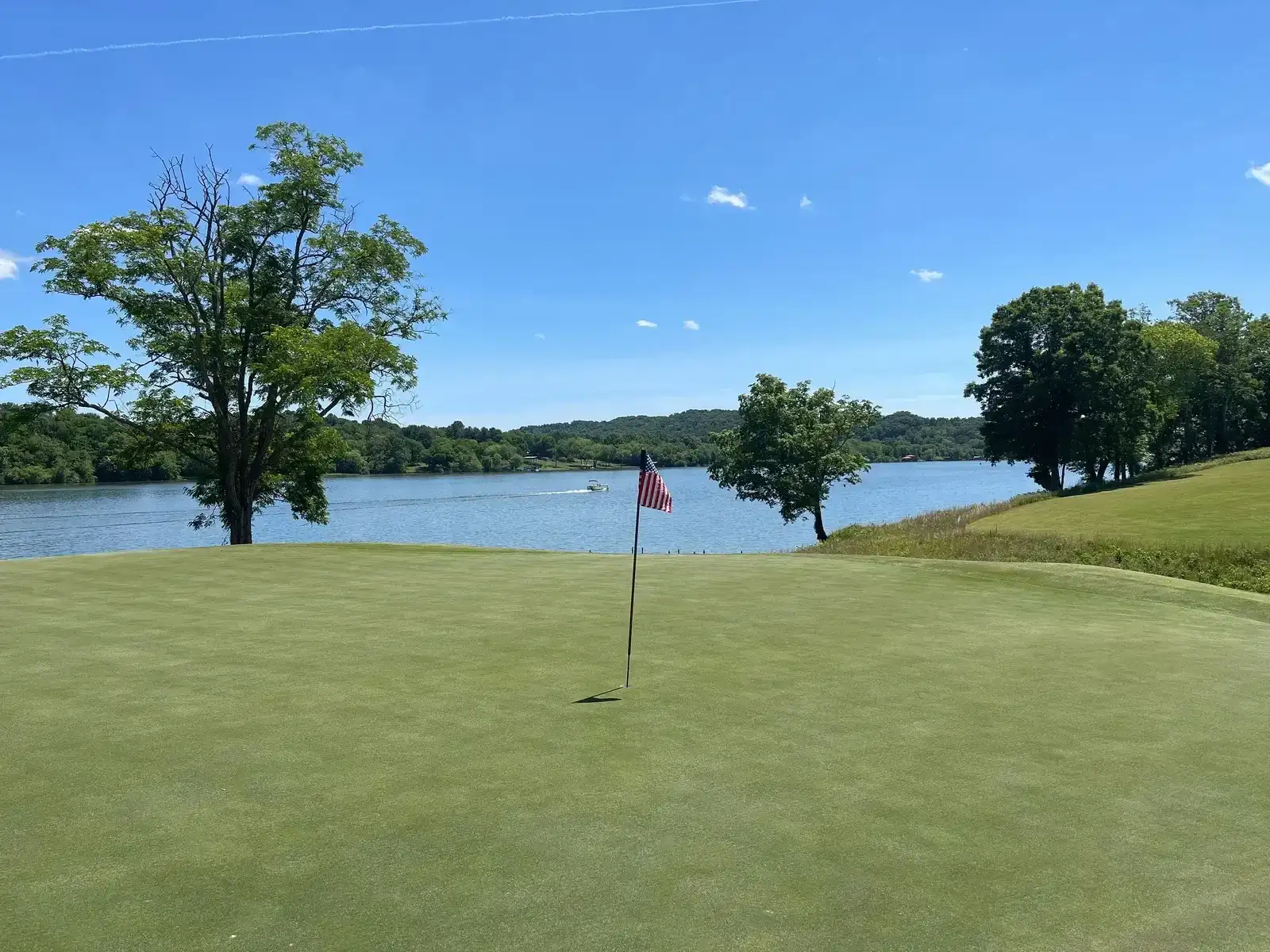
Tennessee gives you lakes — big ones. Watts Bar Lake covers 39,000 acres with over 700 miles of shoreline. You can boat, fish, kayak, and swim in calm freshwater without fighting tides, jellyfish, or tourist traffic. At Tennessee National, a private marina means you’re on the water without hassle.
It’s a different kind of water lifestyle. Quieter. Less crowded. And significantly cheaper to maintain.
Healthcare
Both states have solid healthcare systems, but Tennessee has an edge in East Tennessee specifically.
Knoxville — 35 minutes from Tennessee National — has the University of Tennessee Medical Center, Covenant Health, and a full range of specialists. For a metro of its size, the healthcare infrastructure is excellent.
South Carolina’s best healthcare clusters around Charleston and Greenville. If you’re retiring to a smaller coastal town, you may be driving 45-60 minutes for specialist care. And the population growth in the Lowcountry is outpacing healthcare capacity in some areas.
Outdoor Lifestyle
South Carolina offers beaches, golf, and marshland. It’s a specific aesthetic — flat, sandy, and coastal.
Tennessee offers mountains, lakes, forests, and rolling hills. The Great Smoky Mountains National Park — the most visited national park in America — is under an hour from Loudon. Hiking, fishing, kayaking, golfing, and boating are all part of daily life, not weekend trips.
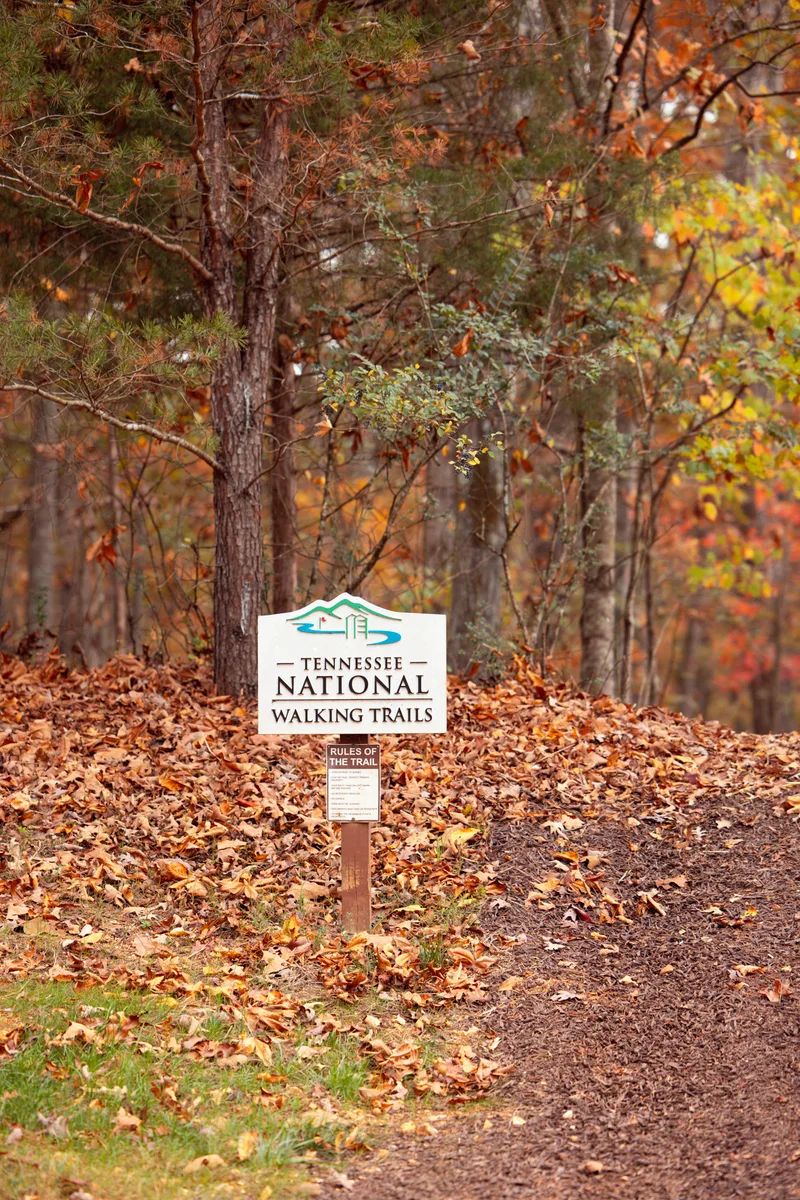
At Tennessee National, you have a championship golf course, private marina, trails, and an active community calendar. The variety of outdoor activities is hard to match from a single location in South Carolina.
Community and Culture
South Carolina’s retirement hotspots — Hilton Head, Kiawah, Myrtle Beach — have become tourist destinations first and communities second. The seasonal population swings can make it hard to build genuine connections.
Tennessee’s lakefront communities tend to be more residential. People live here full-time. Your neighbors are permanent. The social fabric is stronger because it doesn’t thin out every September.
Tennessee National has an active social calendar, clubhouse events, and a community of people who chose this place deliberately. That makes a difference in day-to-day life.
The Bottom Line
South Carolina is a great state with real appeal. The coast is beautiful, and the culture is welcoming.
But if you’re optimizing for retirement — low taxes, affordable housing, four-season climate, no hurricane risk, mountain access, lake lifestyle, and genuine community — Tennessee checks more boxes.
Tennessee National in Loudon gives you the full package: Watts Bar Lake, championship golf, proximity to Knoxville and the Smokies, and a community designed for the way you actually want to live. It’s worth a visit before you sign a contract in the Lowcountry.