Tennessee offers a warm climate, scenic landscapes, and a variety of retirement living options—everything from resort-style active adult communities to assisted living campuses with robust medical support. This guide walks through the major elements of retirement living in Tennessee, helping prospective residents and their families understand community types, costs, healthcare access, lifestyle amenities, and practical steps for choosing the right place.
Why Tennessee Is Popular for Retirement
Tennessee attracts retirees for several compelling reasons: a relatively low cost of living, no state income tax on wages, and a diverse range of landscapes from rolling hills to lakeside towns. The state’s central location in the Southeast also makes travel to surrounding states convenient for family visits or medical appointments.
Many communities emphasize outdoor recreation—hiking, fishing, boating—and cultural offerings such as music, theater, and craft festivals. Urban centers like Nashville and Knoxville provide sophisticated healthcare systems and lively cultural scenes, while smaller towns offer quieter, close-knit social environments.
Additionally, Tennessee’s vibrant music heritage, especially in cities like Memphis and Nashville, offers retirees unique opportunities to enjoy live performances year-round. The state’s rich history and southern charm extend to numerous museums, historic sites, and annual events that cultivate a strong sense of community and provide endless avenues for engagement and entertainment.
Healthcare accessibility is another significant factor; Tennessee boasts several top-ranked hospitals and medical centers, ensuring retirees have access to high-quality care close to home. The presence of numerous wellness programs, senior centers, and support services tailored specifically for older adults makes it easier to maintain a healthy and active lifestyle.
Climate and Geography
The climate is generally mild, with hot summers and cool winters, though the eastern plateau and mountainous areas have cooler temperatures and occasional snow. For those sensitive to winter weather, Middle and West Tennessee present milder winters and fewer disruptions to mobility and transit.
Tax and Cost Considerations
Tennessee does not tax wages, which can be financially advantageous for retirees living on Social Security, pensions, or retirement accounts. Property taxes vary by county, and certain tax relief programs exist for seniors, so it’s important to consult local county offices when evaluating long-term housing expenses.
Moreover, the cost of healthcare and housing in Tennessee typically falls below the national average, allowing retirees to stretch their savings further. Utilities and everyday expenses are also relatively affordable, which contributes to the overall attractiveness of Tennessee as a retirement destination. For those considering relocation, exploring various counties and towns can reveal significant differences in cost of living and amenities, making it advisable to plan a thorough visit before making a decision.
Types of Retirement Communities in Tennessee
Retirement living in Tennessee comes in several formats, each designed to meet different needs and preferences. Understanding these categories helps narrow down choices and match lifestyle priorities with available services.
Active Adult (55+) Communities
Active adult communities prioritize social engagement, physical fitness, and low-maintenance living. Homes are often single-level or have elevator access, and communities include amenities such as pools, fitness centers, walking trails, and social clubs. These communities are ideal for independent retirees who want a vibrant social calendar and easy upkeep.
Independent Living
Independent living communities offer apartments or cottages with services like housekeeping, dining, and scheduled transportation. These communities focus on convenience and social opportunities without providing medical care on site. Independent living suits those who want to downsize and gain access to community activities while maintaining full independence.
Continuing Care Retirement Communities (CCRCs)
CCRCs provide a continuum of care from independent living to assisted living and skilled nursing on the same campus. This model offers the peace of mind of aging in place, as residents can transition to higher levels of care as needs change. CCRCs often require entrance fees and ongoing monthly charges but can be a good fit for couples with differing health needs.
Assisted Living and Memory Care
Assisted living communities provide personal care assistance—help with bathing, dressing, medication management—along with communal meals and activities. Memory care units specialize in services for residents with Alzheimer’s disease or related dementias, using secure environments and staff trained in dementia care techniques.
Typical Amenities and Services
Retirement communities in Tennessee offer a wide range of amenities designed to support well-being, convenience, and a fulfilling daily life. Amenities vary significantly by community type and price point.
Health and Wellness
Fitness centers, group exercise classes, wellness screenings, and walking trails are common. Some communities partner with local health systems to bring visiting physicians, physical therapists, or telehealth services on-site. Access to wellness programming supports both preventive care and recovery after medical events.
Dining and Social Life
Many communities provide one or more dining venues with chef-prepared meals, accommodating dietary restrictions. Social calendars often include clubs for arts, gardening, book discussions, volunteer opportunities, and organized outings to nearby cultural attractions. These offerings help reduce social isolation and support cognitive engagement.
Transportation and Maintenance
Shuttle services for shopping, medical appointments, and cultural events remove the need for daily driving. Maintenance services typically include landscaping, home repairs, and snow removal—perks that make life simpler and safer for older adults.
Costs and Financial Considerations
Costs depend on community type, location, unit size, and included services. Independent living and active adult communities typically charge a monthly fee covering amenities and utilities, while assisted living includes care services in the monthly rate. CCRCs may require a significant entrance fee plus monthly charges.
Average Price Ranges
Monthly fees for independent living in Tennessee can vary widely, commonly ranging from moderate to premium based on location and amenities. Assisted living monthly rates tend to be higher due to staffing and care services. CCRCs often start with an entrance fee that can range from tens to hundreds of thousands of dollars, plus monthly fees that may be lower or higher depending on the contract type.
Contract Types and What They Mean
CCRC contracts commonly include refundable and nonrefundable entrance fee options and varying degrees of healthcare cost protection. Some contracts guarantee healthcare services at predictable costs; others offer fee-for-service models. Comparing contract types and reading fine print about refundability and care cost increases is essential.
Paying for Care
Private funds, pensions, Social Security, long-term care insurance, and in some cases, veterans’ benefits can help cover costs. Medicare does not pay for long-term custodial care in most settings, but it may cover short-term rehabilitation in a skilled nursing facility after a qualifying hospital stay. Medicaid programs in Tennessee may assist with nursing home care but have strict eligibility and asset requirements.
Healthcare Access and Nearby Hospitals
Proximity to quality healthcare is a top priority when choosing a retirement community. Many Tennessee communities are within easy reach of regional hospitals and specialized care centers, particularly in urban and suburban areas.
Major Medical Centers
Nashville, Knoxville, and Memphis boast major medical systems offering cardiology, oncology, orthopedics, and geriatric medicine. Choosing a community near a reputable hospital or specialty clinic reduces travel time for routine care and emergency services.
Community-Level Healthcare Partnerships
Some retirement communities partner with local healthcare providers to offer on-site clinics, telemedicine options, and in-home skilled nursing services. These partnerships can smooth transitions from hospital to community living and offer continuity of care for chronic conditions.
How to Choose the Right Community
Choosing a retirement community is both an emotional and practical decision. Prioritizing key factors and visiting multiple communities helps ensure a match between personal needs and community offerings.
Checklist for Visits
When touring, evaluate safety features, cleanliness, staff-to-resident ratio, availability of preferred activities, and the quality of dining. Ask to meet staff members and residents, and observe daily life—meal times, activities, and transportation in action. Request a sample contract and a full breakdown of all fees and what they cover.
Assessing Care and Culture
Culture is crucial: some communities emphasize active social calendars and events, while others focus on quiet, private living. For those needing or anticipating care, review clinical services, emergency protocols, and staff training. Look for transparent policies on medication management, falls prevention, and dementia care if relevant.
Moving and Transition Tips
Moving into a retirement community is a major life transition. Proper planning can reduce stress and help newcomers settle in with confidence.
Downsizing and Home Sale
Begin downsizing well ahead of the move. Sort belongings into keep, donate, sell, and discard categories. Consider professional organizers or estate sale services for larger estates. Timing the home sale to the move-in date avoids a rushed transition.
Making the New Place Feel Like Home
Bring a few key pieces of furniture, meaningful photos, and favorite belongings to create familiarity. Participate in orientation and community social events to meet neighbors. Establish a routine with meals, activities, and health appointments early on to build momentum in the new environment.
Common Questions and Practical Concerns
Families often have similar questions about safety, pet policies, and legal protections. Addressing these topics upfront clarifies expectations and prevents surprises.
Are Pets Allowed?
Many communities allow pets but enforce breed, size, and vaccination rules and may charge deposits or monthly pet fees. Pet-friendly communities often have walking paths and designated relief areas, which makes pet ownership easier for seniors.
What About Visitors and Security?
Security typically includes controlled main entrances, emergency call systems in units, and 24/7 staff presence in assisted living or CCRC settings. Visitor policies vary—most encourage family visits while maintaining privacy and safety standards.
Conclusion: Finding the Right Fit
Tennessee offers a broad spectrum of retirement living choices, from vibrant active adult neighborhoods to comprehensive continuing care campuses. Balancing lifestyle preferences, healthcare needs, financial considerations, and community culture is essential when making the selection.
Thorough research, multiple site visits, and conversations with residents and staff help reveal the real day-to-day experience. With thoughtful planning and a clear set of priorities, finding a retirement community in Tennessee can lead to a secure, socially rich, and enjoyable chapter of life.
Discover Your Ideal Retirement Lifestyle at Tennessee National
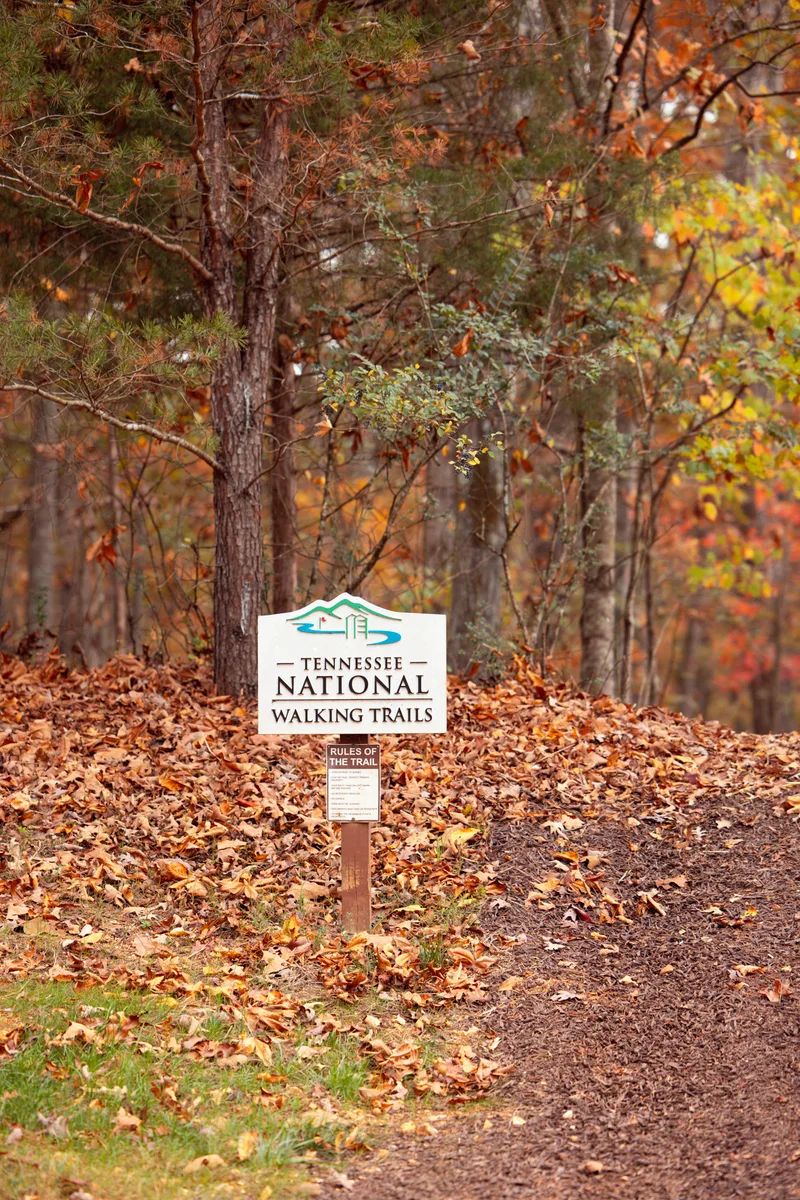
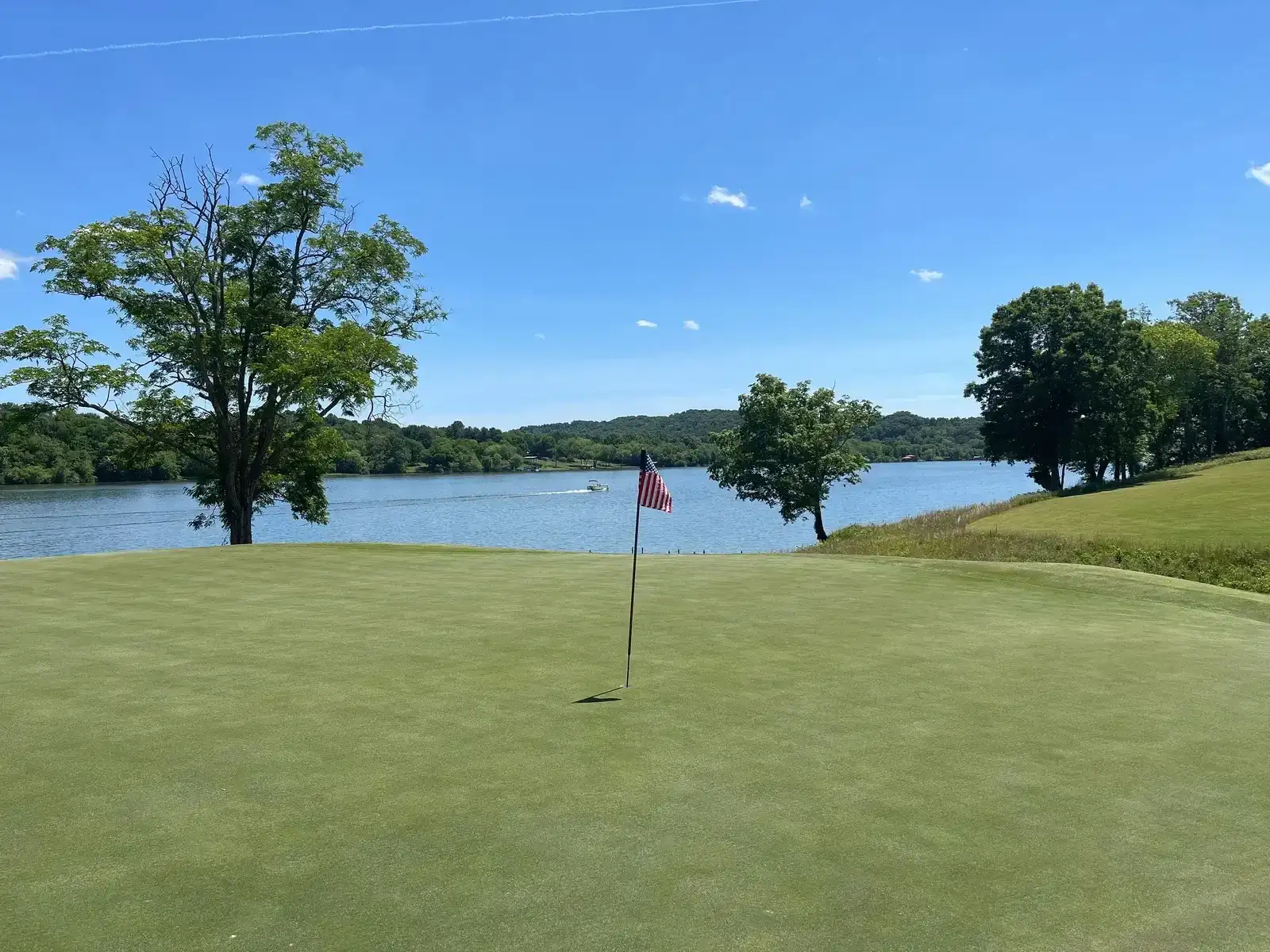
Ready to embrace the perfect blend of luxury, comfort, and active living in Tennessee? Tennessee National offers an exceptional retirement experience within a premier gated community, featuring amenities like a Greg Norman Signature Golf Course, private marina, waterfront dining, and vibrant social clubs. Whether you prefer a move-in ready home or a custom build, our scenic setting and resort-style amenities provide an ideal backdrop for your next chapter. [