Watts Bar Lake isn’t just scenic. It’s one of the best fishing lakes in East Tennessee — and it fishes well twelve months a year.
Spanning over 39,000 acres with 700-plus miles of shoreline, Watts Bar sits on the Tennessee River system between Watts Bar Dam and Fort Loudoun Dam. The Tennessee Wildlife Resources Agency (TWRA) stocks it regularly and manages it for quality. Whether you’re chasing largemouth bass from your dock or trolling for sauger in January, there’s always something biting.
Here’s your season-by-season breakdown.
Spring: March Through May
Spring is prime time. Water temperatures climb from the mid-50s into the 70s, and fish move shallow to spawn.
Largemouth Bass hit the banks hard in April and May. Target rocky points, laydowns, and shallow coves with spinnerbaits, shallow crankbaits, or soft plastics. Pre-spawn fish stage on secondary points in 6 to 10 feet of water before pushing into 2 to 4 feet to bed. Sight fishing for bedding bass is productive in clear coves when the sun is high.
Smallmouth Bass favor the main river channel near chunk rock and bluff walls. Spring smallmouth on Watts Bar pull hard — a 3-pounder fights like a 5-pound largemouth. Ned rigs and drop shots dragged along rocky transitions are deadly.
Crappie move into brush piles and stake beds in 4 to 8 feet of water during their spring spawn. Minnows under a slip bobber or small jigs in white and chartreuse produce limits. The crappie bite can be outstanding in March and early April before they scatter post-spawn.
Striped Bass and Hybrids cruise the mid-lake section chasing shad schools. Live bait (gizzard shad or skipjack herring) fished on a Carolina rig near channel ledges produces the best fish. Early morning surface boils are common in May.
Summer: June Through August
Summer means deeper water, earlier mornings, and topwater explosions at dawn.
Largemouth Bass transition to ledges, humps, and deep brush piles in 12 to 20 feet. Deep-diving crankbaits, football jigs, and Carolina rigs cover water efficiently. The first two hours of daylight and the last hour before dark are your windows. A buzzbait over shallow grass at dawn can produce the biggest bite of the day.
Catfish come alive in summer. Channel catfish and blue catfish feed aggressively on cut shad and chicken liver along the main channel. Flathead catfish lurk in logjams and undercut banks — live bluegill on a circle hook at night is the classic approach. Watts Bar holds blues over 30 pounds for anglers willing to anchor on the channel edge.
Bluegill and Shellcrackers stack on beds in late May through June. Crickets and red worms under a bobber near docks and seawalls are all you need. This is the best fishing on the lake for kids and beginners — action is fast, and the fillets are sweet.
Fall: September Through November
Fall fishing on Watts Bar is underrated. Shad migrate into creeks, and predators follow.
Largemouth and Smallmouth Bass go on feeding binges in October. As shad push into creek arms, bass corral them against banks and bluffs. Jerkbaits, swimbaits, and medium-diving crankbaits in shad patterns are top choices. Fish the backs of major creeks on warm afternoons — you’ll find the bait, and the bass won’t be far.
Crappie set up on deeper brush piles in 12 to 18 feet as water cools. Slow-trolling small jigs or vertical jigging with electronics to stay on the schools produces consistent catches. November crappie are often the fattest of the year.
Sauger start moving upstream from Watts Bar Dam in late fall. These Tennessee River natives hit jigs tipped with minnows bounced along the bottom near the dam tailwaters and main channel drops. Sauger fillets rival walleye, and catch rates improve as water temperatures drop below 55 degrees.
Winter: December Through February
Watts Bar doesn’t freeze. Water temperatures hover between 42 and 50 degrees, and fish still eat — just slower.
Sauger are the main event. The winter sauger run draws anglers from across the region. Fish concentrate near Watts Bar Dam and along the main river channel in 15 to 30 feet of water. Hair jigs, blade baits, and jigging spoons worked vertically near the bottom are the go-to techniques. TWRA manages sauger carefully, so check current regulations for creel limits.
Largemouth Bass slow down but don’t shut off. A suspending jerkbait twitched painfully slow near bluff walls or a shaky head dragged through deep rock transitions can produce quality fish. Winter bass are often the biggest of the year — they’re heavy with eggs by February.
Striped Bass move deep and school on main-lake structure. Downlines with live shad in 30 to 50 feet of water around points and humps are the proven approach. A quality fish finder makes all the difference in winter striper fishing.
Access From Tennessee National
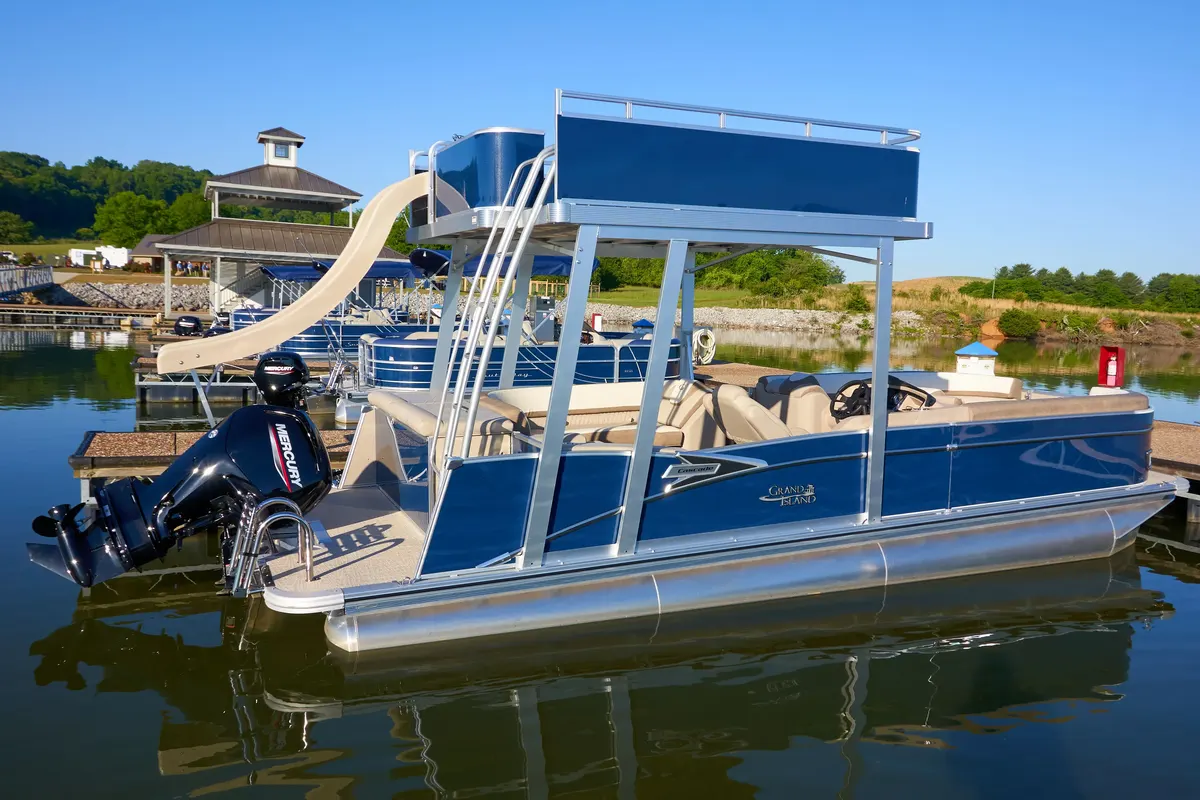
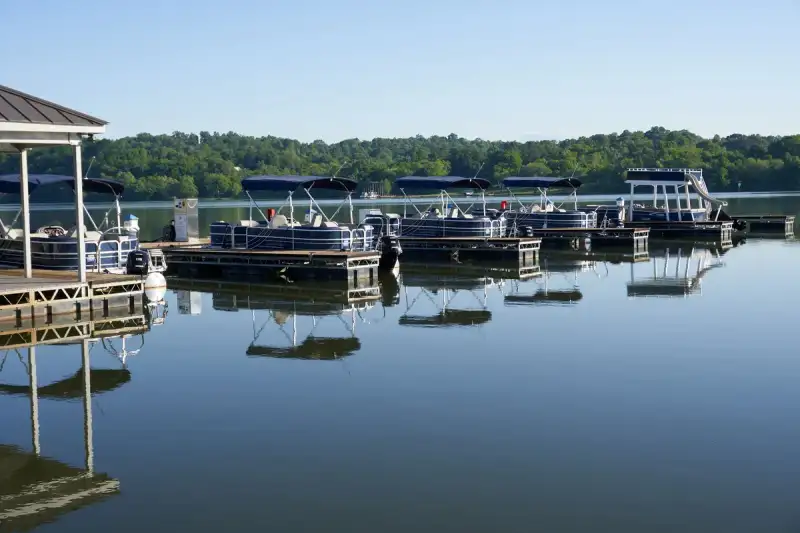
Living at Tennessee National puts you on the water in minutes. The community’s private marina offers covered and uncovered boat slips, so your rig stays ready. Morning coffee on the dock becomes morning coffee with a rod in hand.
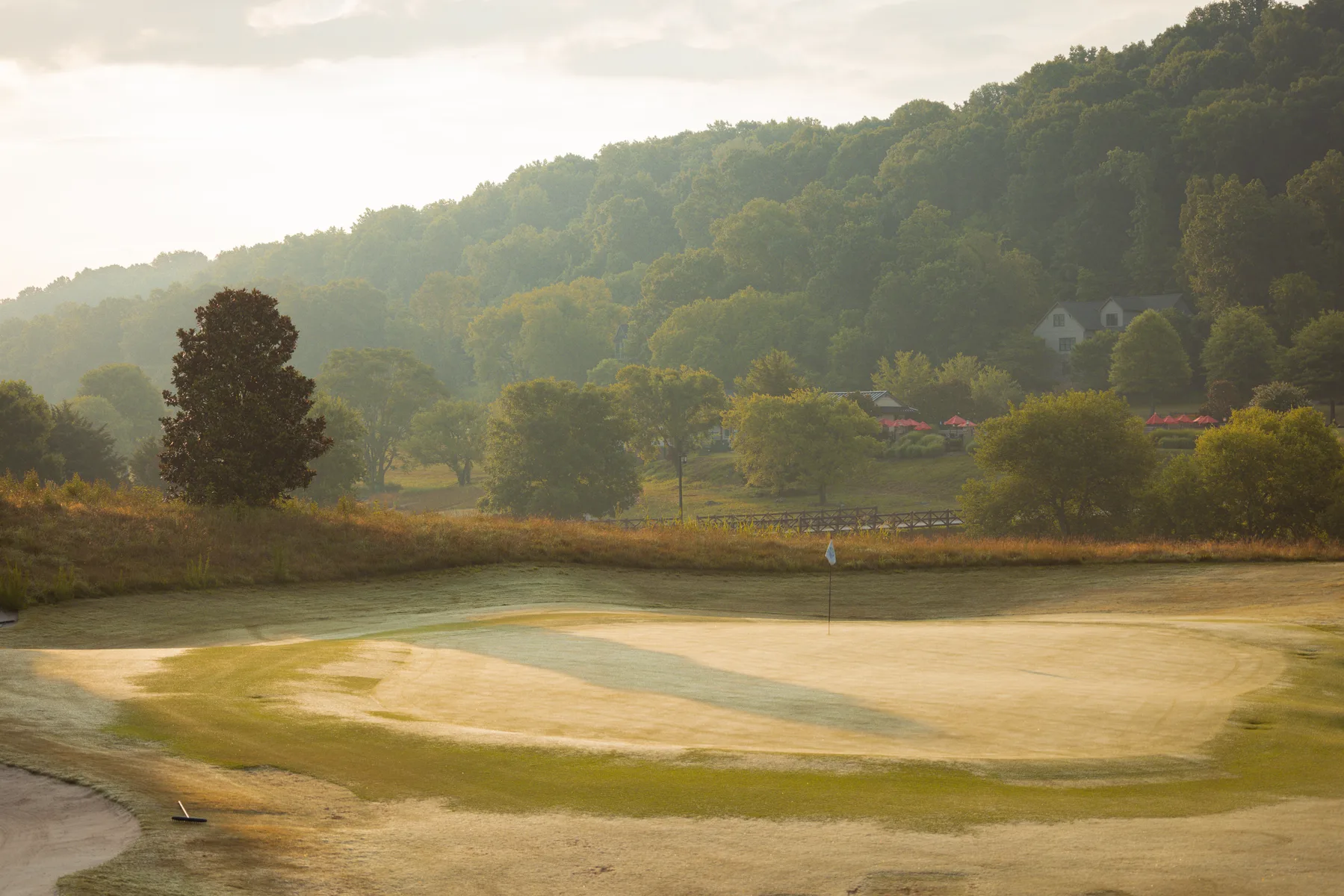
The main lake channel runs right past the community, giving you immediate access to deep-water structure without a long boat ride. Creek arms on both sides of the lake are short runs from the marina, which means you can fish a full morning session and still make a noon tee time on the golf course.
For anglers who’ve spent years trailering boats and fighting ramp crowds, this is the upgrade. Your boat lives on the water. You fish when you want. And when you’re done, the clubhouse is five minutes away.
Watts Bar Lake doesn’t get the national press that Kentucky Lake or Dale Hollow do. That’s fine with the people who fish it. Less pressure, consistent quality, and year-round opportunity — right out your back door.