
Buying a retirement home is a major life decision that blends financial planning, lifestyle choices, and long-term health considerations. This guide walks through practical steps and key questions to ask when searching for homes for sale targeted at retirees — whether the aim is downsizing, moving closer to family, or finding a community that supports aging-in-place.
Clarify Priorities Before Looking
Before touring properties, it helps to define what retirement living means personally and financially. Some retirees prioritize low maintenance and social activities; others want a second home near nature or a multigenerational property close to grandchildren. Writing down priorities makes comparing options easier and keeps the search focused.
Consider lifestyle, health needs, geography, and budget. Decide whether the preference is a single-level home, a condo with covered maintenance, or a house within a 55+ community. Geographic preferences — climate, proximity to family, and access to medical facilities — will narrow the search and reduce time spent on unsuitable listings.
In addition to physical and financial considerations, it’s useful to reflect on desired community amenities and social opportunities. Some retirees may value access to fitness centers, swimming pools, walking trails, or organized events that foster social interaction. Others might prioritize quiet spaces, privacy, or cultural attractions nearby. Understanding these preferences early on helps identify communities and properties that align with both current desires and evolving retirement needs.
Health and accessibility needs also play a critical role in determining suitable housing. Features like wider doorways, grab bars, step-free entrances, and proximity to healthcare providers can make a significant difference in long-term comfort and independence. By incorporating these factors into the priority list, retirees can ensure their new home supports their well-being for years to come while avoiding costly or inconvenient modifications down the road.
Understand Types of Retirement Properties
Homes marketed to retirees come in many forms, each with distinct pros and cons. Single-family houses offer privacy and space but require ongoing maintenance. Condominiums and townhouses often include HOA fees that cover landscaping and exterior repairs, which can be appealing for those who want to minimize work.
55+ active adult communities emphasize social programming and amenities, sometimes including fitness centers and on-site dining. Continuing care retirement communities (CCRCs) provide a continuum of care — from independent living to assisted care and skilled nursing — often under one contract. Evaluate whether the built-in services and long-term care options match projected needs.
In addition, some retirees might consider cooperative housing arrangements, where residents own shares in a corporation that holds the property, offering a community-oriented living experience with shared responsibilities. Others may explore manufactured or mobile homes within retirement parks, which can be cost-effective options but might have restrictions regarding resale and financing.
Location also plays a crucial role in retirement property choice. Properties closer to medical facilities and public transportation can offer easier access to essential services, while those in warmer climates may appeal to retirees seeking a milder year-round environment. Balancing lifestyle preferences with practical considerations ensures a more satisfying retirement living experience.
Key differences to consider
Ownership structure, monthly fees, and the presence of long-term care services are primary differentiators. Condos and townhomes usually entail homeowners association (HOA) fees and rules, while single-family homes generally do not. CCRCs may require entrance fees or long-term contracts that affect liquidity and estate plans.
Budgeting: Upfront Costs and Ongoing Expenses
Budgeting for a retirement home requires attention to both one-time and recurring costs. Upfront costs include purchase price, closing costs, moving expenses, and possible renovations to improve accessibility (ramps, grab bars, widened doorways). It’s wise to get contractor estimates for any planned modifications.
Ongoing costs may include property taxes, homeowners insurance, utility bills, maintenance, HOA dues, and, in some cases, community fees for services or amenities. For properties in CCRCs or certain retirement communities, monthly fees may increase over time and should be factored into long-term planning.
Financing options
Conventional mortgages are an option for many buyers, but alternatives like VA loans (for eligible veterans), bridge loans, or downsizing proceeds can be useful. Some buyers tap home equity via a reverse mortgage if staying in their current residence is preferred. Consulting a financial advisor or mortgage specialist who understands retirement moves can reveal the most tax-efficient and secure financing strategy.
Assessing Accessibility and Future Needs
Design and accessibility are central to choosing a retirement-friendly home. Single-level floor plans, minimal steps, wide hallways and doorways, non-slip flooring, and accessible bathrooms decrease the likelihood of future modifications. Evaluating a home with aging-in-place in mind reduces future costs and the stress of retrofitting.
Health trajectories are hard to predict, so consider whether nearby medical facilities and home care services are readily available. Proximity to friends, family, and community resources can be as important as the physical features of the house itself.
Practical home features to prioritize
Look for lever-style door handles, curtained or accessible lighting controls, a bedroom and full bathroom on the main floor, and a garage or covered parking to reduce exposure to harsh elements. Outdoor maintenance considerations — like steps, steep driveways, or extensive gardens — should align with willingness and ability to manage them or expense to outsource.
Evaluating Neighborhood and Community
The neighborhood can influence satisfaction more than the house itself. Walkability, local shops, green spaces, and transportation options contribute to daily quality of life. For those who enjoy social activities, communities with clubs, classes, and volunteer opportunities make it easier to build and maintain social connections.
Visit potential neighborhoods at different times of the day and week to gauge noise levels, traffic patterns, and community dynamics. Talking with neighbors and attending a community event, when possible, provides insight into the social environment and what daily life might feel like.
Safety and services
Research local crime rates, emergency response times, and the presence of community health facilities. Availability of reliable public transit or senior transportation services is a plus for those who prefer not to drive long-term. Also check utility reliability and internet service providers if remote work or frequent video calls with family are part of life.
Working with Real Estate Professionals
A real estate agent who specializes in retirement properties or senior relocations can save time and reduce stress. These agents understand the nuances of 55+ communities, condo associations, and seller disclosures that are particularly relevant to older buyers. Selecting someone with experience and local knowledge is critical.
Along with an agent, retaining a real estate attorney or an advisor for complicated contracts (like CCRC agreements) can prevent misunderstandings. Title companies, inspectors, and movers who are familiar with senior moves can also be valuable additions to a trusted team.
What to ask an agent
Ask about familiarity with local retirement communities, recent sales in the area, and common pitfalls for older buyers. Inquire whether the agent has worked with buyers needing accessibility modifications and whether they know contractors who offer senior-friendly services. Clarity on these points speeds decision-making.
Home Inspections and Red Flags
Even if a property appears well-maintained, a thorough inspection is essential. Focus on the roof, foundation, plumbing, electrical systems, and HVAC. Older homes sometimes hide costly repairs behind cosmetic updates. A licensed inspector can estimate remaining useful life for major systems and identify issues that could affect safety or future budgets.
Red flags include uneven floors, water stains, older electrical wiring, and signs of pest infestation. Also scrutinize HVAC and water heater age; replacement costs can be substantial. For condos and planned communities, request recent minutes from HOA meetings and the association’s financial statements to check for pending assessments.
Accessibility inspections
Consider hiring an occupational therapist or a certified aging-in-place specialist to evaluate the home for current and future accessibility needs. Their assessments can pinpoint subtle challenges and recommend cost-effective modifications that maintain independence longer.
Negotiation, Offers, and Closing Considerations
Negotiation strategies for retirement homes are similar to other residential purchases but may include contingencies tailored to seniors. Common contingencies include sale of a current home, clear inspection results, and a satisfactory review of homeowners association documents. Having a realistic timeline helps in structuring offers that are competitive yet protective.
Closing involves title searches, final walk-throughs, and signing documents. For buyers with limited mobility or those who prefer assistance, many jurisdictions allow power-of-attorney arrangements or mobile notaries. Always verify the credentials of anyone offering to handle closing paperwork on behalf of a buyer.
Estate and tax considerations
Consulting an estate attorney or tax professional before closing can clarify how a new purchase affects estate plans, tax liabilities, and benefits like Medicaid eligibility. Some retirement communities have specific rules regarding estate transfers; understanding these before signing is crucial.
Transitioning into the New Home Smoothly
Moving in later life benefits from careful planning. Establishing a timeline for decluttering, packing, and transferring services reduces stress. Professional movers experienced in senior transitions can manage logistics and suggest practical approaches for downsizing personal belongings.
Once moved, create routines that encourage social connection and health maintenance — like joining community activities, setting up medical appointments, and establishing local service providers. A gradual approach to settling in preserves energy and helps maintain familiar rituals while adapting to a new setting.
Final Checklist
Before making a final decision, run through a checklist: confirm the budget including hidden costs, verify accessibility and future care options, review HOA or community contracts, complete a professional home inspection, and consult legal and financial advisors. Ensuring all bases are covered minimizes surprises and supports a secure transition.
Buying a retirement home is a blend of practical planning and personal choice. With clear priorities, professional support, and careful inspection of both the property and community, retirees can find a home that supports health, social life, and financial peace of mind for years to come.
Discover Your Ideal Retirement Home at Tennessee National
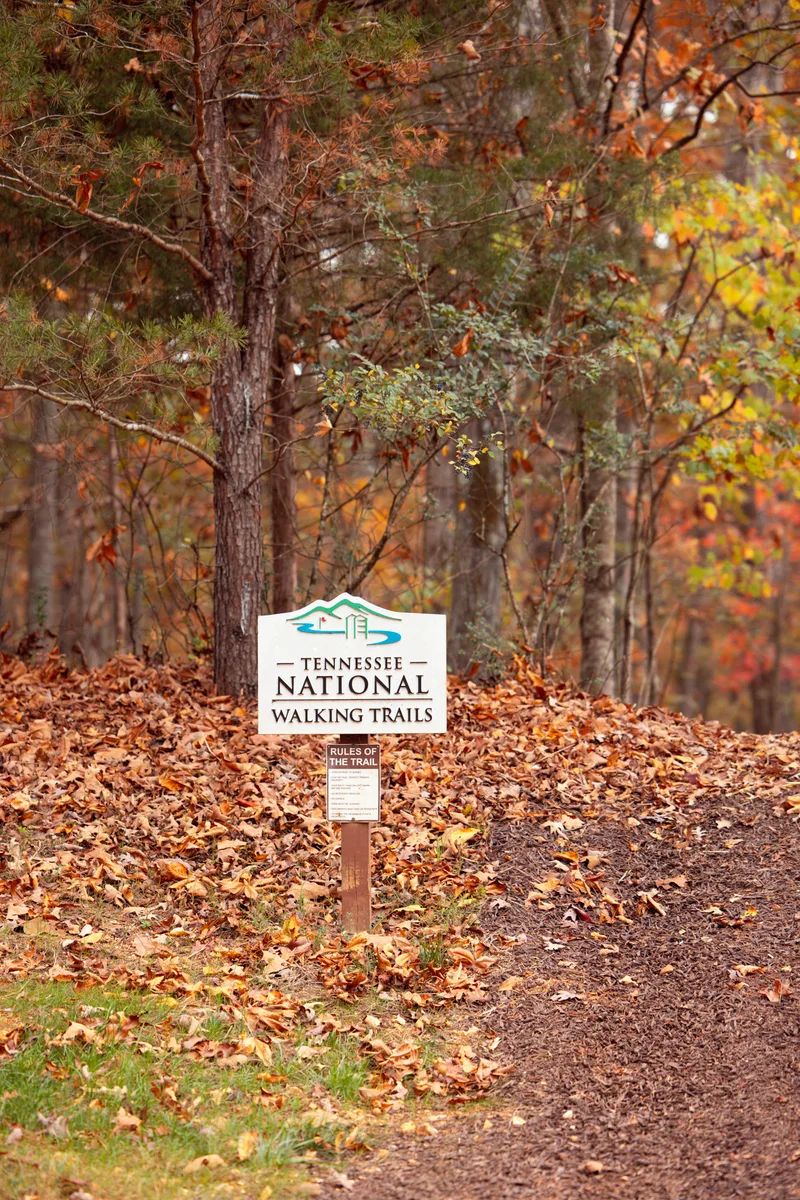
Ready to find a retirement home that combines luxury, comfort, and an active lifestyle? Tennessee National offers a premier gated community set amid stunning Tennessee landscapes, featuring a Greg Norman Signature Golf Course, private marina, waterfront dining, and over 20 exceptional amenities. Whether you prefer a move-in ready home or a custom design, our variety of living options are tailored to support your retirement goals.