Choosing a retirement home for active adults is a decision that balances lifestyle, health, finances, and social connection. As more people seek living environments that encourage independence, movement, and meaningful engagement, retirement communities tailored to active adults have become popular. This guide explains what to look for, how to evaluate options, and how to prepare for the transition.
What Is a Retirement Home for Active Adults?
A retirement home for active adults generally refers to a residential community designed for people typically aged 55 and older who want to maintain an energetic, engaged lifestyle. Unlike assisted living or skilled nursing facilities, these communities emphasize independent living with amenities, social programs, and opportunities for recreation rather than medical care.
Active-adult communities come in many forms: apartment complexes with activity directors, gated neighborhoods with homeowners’ associations, or mixed-use developments near shopping and transit. The common thread is an environment that reduces household chores and offers social and recreational infrastructure, enabling residents to focus on hobbies, travel, and relationships.
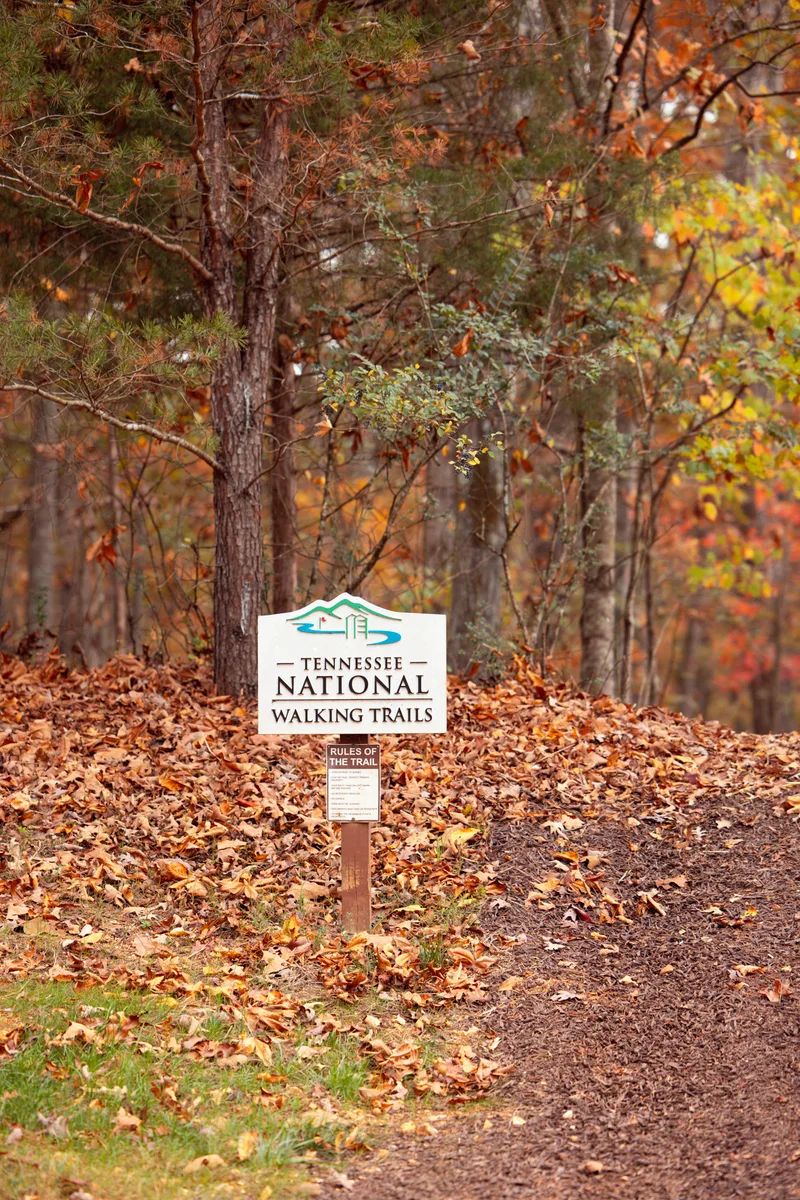
These communities often include features such as fitness centers, swimming pools, walking trails, and clubhouses where residents can engage in group activities ranging from arts and crafts to book clubs and dance classes. Many also host organized events like group excursions, educational workshops, and holiday celebrations to foster a sense of belonging and camaraderie among residents.
Moreover, active-adult retirement homes frequently provide maintenance services—like landscaping, exterior repairs, and housekeeping—to help residents enjoy a hassle-free lifestyle. This means residents can dedicate more time to personal growth and social connection, which are vital components for maintaining both physical and mental well-being as they age.
Who Should Consider an Active-Adult Retirement Home?
Active-adult retirement homes suit individuals or couples who value independence and social opportunities but prefer downsizing or simplified home maintenance. These communities are particularly appealing to those who want fewer responsibilities such as lawn care, snow removal, or major home repairs.
Health status is a key factor. Active-adult communities are ideal for people who can manage daily activities independently and do not require ongoing nursing care. For those anticipating regular medical assistance, options that provide on-site healthcare or a continuum of care might be more appropriate.
Common Resident Profiles
Retirees who travel frequently, newly retired individuals seeking peer groups, widowed residents looking for community, and couples wanting to downsize are typical residents. Many seek neighbors with similar life stages and enjoy organized activities, volunteering opportunities, and fitness programming.
Types of Active-Adult Communities
Active-adult living options vary in scale, amenities, and governance. Understanding these types helps match personal preferences with community offerings and costs.
Independent Living Complexes
Independent living complexes often feature apartments or condos with communal amenities such as fitness centers, pools, and dining areas. They are designed for maintenance-free living and frequently include social calendars and transportation services for errands or medical appointments.
55+ Neighborhoods
55+ neighborhoods are residential developments with age-restriction policies. These communities may have private homes and shared amenities like walking trails and clubhouse spaces. Residents often enjoy neighborhood-wide events run by homeowner associations.
Continuing Care Retirement Communities (CCRCs)
CCRCs provide a range of care levels from independent living to assisted living and skilled nursing. For those desiring long-term security, CCRCs offer the convenience of aging in place without relocating if care needs increase. Contracts and fees differ substantially, so careful review is essential.
Key Features to Look For
Choosing an active-adult retirement home requires attention to features that will shape daily life. Amenities, safety, social activities, and location are all important considerations.
Amenities and Programming
Look for robust programming that aligns with interests—fitness classes, arts and crafts, book clubs, travel groups, and volunteer opportunities. A well-equipped fitness center, indoor/outdoor pools, and walking paths contribute to physical health and social interaction.
Dining options matter too. Communal dining fosters connection and reduces cooking tasks. Assess whether meal plans accommodate dietary restrictions and whether hours and menus suit lifestyle preferences.
Safety and Accessibility
Safety features such as well-lit walkways, emergency call systems, non-slip flooring, and secure entry points are crucial. Accessibility extends beyond physical modifications; it includes transportation services, nearby medical facilities, and staff trained to assist in emergencies.
Social Environment and Community Culture
A community’s culture defines resident satisfaction. Observe common spaces, attend a social event as a guest, and speak with residents about their daily routines. Vibrant communities tend to have active participation in clubs, events, and volunteer initiatives.
Financial Considerations and Contracts
Understanding the financial commitments is necessary before moving into a retirement community. Fees and contract types vary widely, and transparency on costs helps prevent unexpected financial strain.
Entry Fees, Monthly Dues, and Hidden Costs
Some communities charge a one-time entrance fee while others have only monthly dues. Monthly fees typically cover maintenance, utilities, amenities, and some services, but not all. Investigate what is included—internet, cable, landscaping, trash removal, and property taxes—and ask about anticipated increases over time.
Types of Contracts
Contracts range from rental agreements to long-term buy-in arrangements. CCRCs often use entrance-fee models with different refund policies. Lease agreements provide more flexibility but might not guarantee continued access to higher care levels.
Financial Planning Tips
Review fees with a financial planner or attorney experienced in eldercare housing. Confirm the community’s financial stability and reserve funds. Request copies of the operating budget, audited financial statements, and the history of fee increases.
Health Care and Support Services
While active-adult communities prioritize independence, health care access remains a critical aspect. Determine how medical needs are handled now and into the future.
On-Site and Nearby Medical Services
Some communities partner with local clinics, have visiting healthcare providers, or offer on-site wellness checks. Others focus solely on housing and rely on nearby hospitals and medical offices. Evaluate proximity to primary care, specialists, emergency services, and pharmacies.
Transitioning to Higher Levels of Care
For long-term planning, ask about policies for residents who eventually require assisted living or nursing care. CCRCs may provide a seamless transition on the same campus. Communities without higher-level care options might require an additional move if needs change.
How to Evaluate a Community: A Step-by-Step Checklist
Visiting multiple communities and comparing them systematically helps identify the best match. Use a checklist during tours to capture consistent information for comparison.
Before the Visit
Prepare questions about contracts, fees, medical services, and community rules. Request a calendar of activities, sample menus, and floor plans. Read the community’s brochure and resident handbook if available.
During the Visit
Observe cleanliness, accessibility, and resident engagement. Attend a meal or a social activity if allowed, and note the quality of food and staff interactions. Speak with residents about satisfaction levels and reasons they chose the community.
After the Visit
Compare notes across communities on cost, lifestyle fit, proximity to family and friends, and the strength of the social offerings. Consult with family members and trusted advisors before making a decision.
Preparing for the Move
A successful move into an active-adult community requires practical preparation and emotional readiness. Downsizing, organizing, and planning can reduce stress associated with the transition.
Decluttering and Downsizing
Sort belongings into keep, donate, sell, and discard categories. Prioritize items that support the new lifestyle; bulky furniture or excess kitchenware may not be necessary. Arrange estate planning or consignment sales for valuable items.
Setting Up the New Home
Create a floor plan for furniture placement and make a list of essential services—utilities, internet, and medical alert systems. Personalize the space with meaningful items that make the new residence feel like home while keeping it manageable.
Staying Active and Connected
Active-adult retirement homes thrive when residents engage in physical, social, and cognitive activities. Remaining curious, trying new classes, and forging relationships contribute to a fulfilling retirement.
Physical Wellness
Regular exercise tailored to individual abilities improves mobility and mood. Look for strength training, balance classes, and gentle cardio options. Walking clubs and outdoor activities are accessible ways to stay fit and socialize simultaneously.
Social and Intellectual Engagement
Participation in clubs, classes, and volunteer work keeps the mind stimulated and builds friendships. Lifelong learning programs, book discussions, and travel groups provide varied intellectual challenges and opportunities to meet like-minded peers.
Questions to Ask Before Signing
Asking clear, specific questions helps uncover the realities behind marketing materials. These questions focus on day-to-day living, financial transparency, and future planning.
- What exactly is included in the monthly fee, and how often have fees increased in the past five years?
- Are there different contract types, and what are the refund policies for entrance fees?
- What is the process if a resident requires assisted living or nursing care in the future?
- How are security and emergency responses handled after hours?
- Is there an active resident association and how are resident concerns addressed?
Red Flags and Warning Signs
Caution is warranted when communities obscure financial details, have high staff turnover, or show signs of poor maintenance. Pay attention to resident complaints and research any regulatory violations.
Beware of pressure tactics to sign quickly. A community confident in its fit for prospective residents will allow time for decision-making and provide clear documentation for review.
Final Considerations
Selecting a retirement home for active adults is a personal choice that should reflect lifestyle preferences, health needs, social desires, and financial realities. With careful research, visits, and conversations, it is possible to find a place that supports independence while offering community and security.
Prioritize visits to multiple communities, consult trusted advisors, and take time to envision daily life in each option. A well-chosen active-adult community can be a launching point for new friendships, hobbies, and a vibrant chapter of life.
Discover Active-Adult Living at Tennessee National
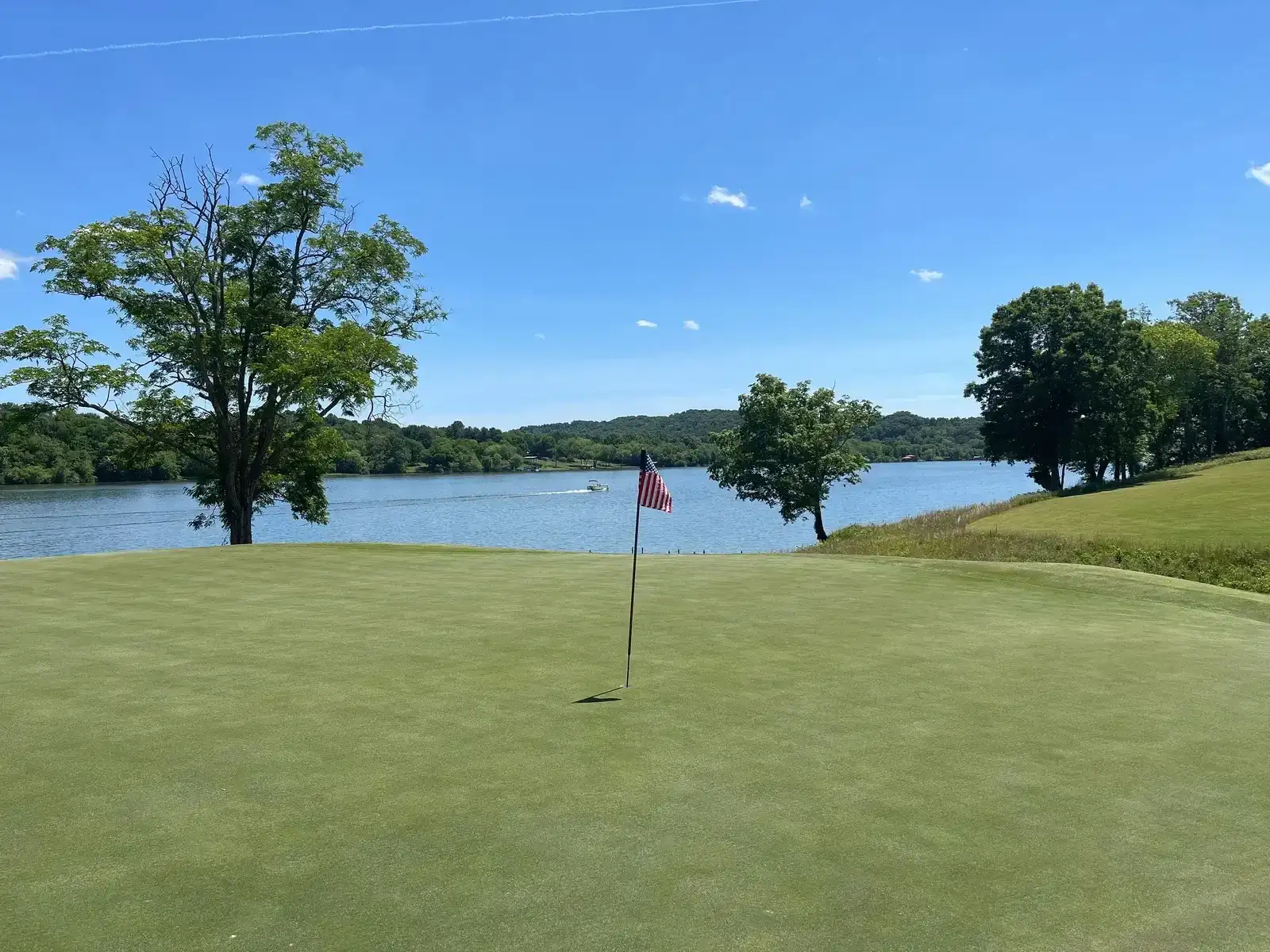
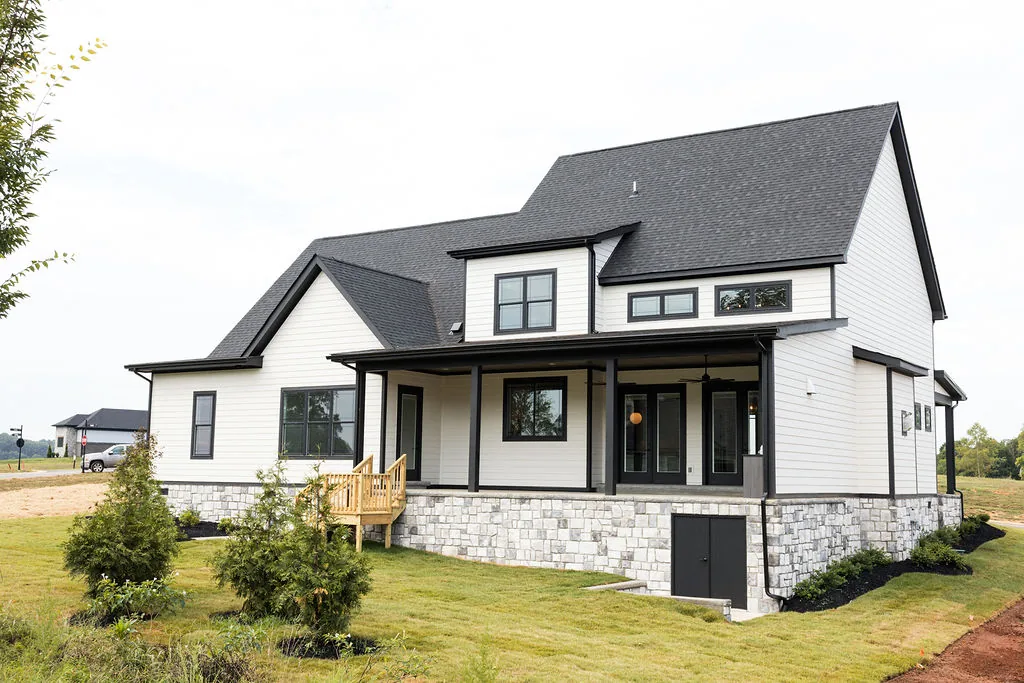
Ready to embrace an active, fulfilling retirement lifestyle in a luxury gated community? Tennessee National offers unmatched amenities including a Greg Norman Signature Golf Course, private marina, waterfront dining, and vibrant social clubs—all set against the beautiful Tennessee landscape. Whether you prefer a move-in ready home or a custom build, our community is designed to support your independence and connection. [