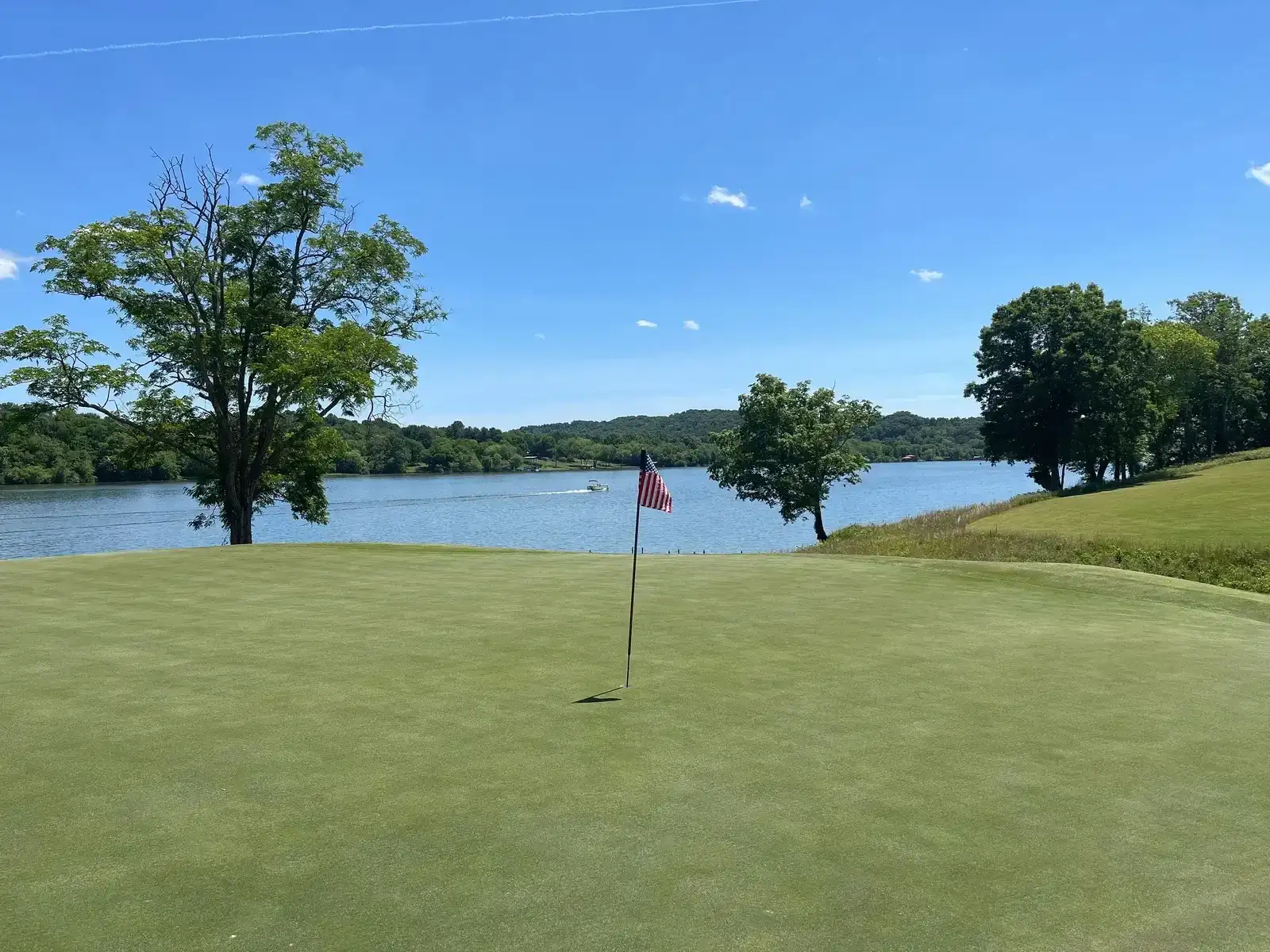

Why Boating Can Be an Ideal Retirement Hobby
Boating offers a combination of relaxation, light exercise, social connection, and the joy of being outdoors that many retirees find deeply rewarding. The slower pace of life on the water encourages mindfulness and reduces the daily stress often associated with land-based routines. Gentle activities like steering, docking, casting a line, or simply watching the shoreline slide by provide a satisfying mix of physical activity and mental stimulation without the intensity of high-impact sports.
The social aspects are significant as well. Marinas and boating clubs create natural communities where friendships form easily, conversations spark over shared interests, and volunteer opportunities abound. For many seniors, these communities become an extension of the retirement home lifestyle, offering outings, potlucks, and group cruises. Navigation and weather planning also keep cognitive skills sharp, so the lifestyle supports body and mind in balanced ways.
Additionally, boating offers retirees a unique opportunity to explore new environments and wildlife from a refreshing vantage point. Whether cruising along calm lakes, rivers, or coastal waters, the ever-changing scenery keeps outings exciting and inspires a sense of adventure without requiring strenuous effort. This continuous exposure to nature has been linked to improved mood and overall wellbeing, making boating not just a pastime but a source of health benefits for the heart and mind.
Moreover, many retirement communities located near water incorporate boating facilities and activities into their amenities, making it easier for seniors to participate regularly. Learning to operate different types of boats and mastering new boating technologies can provide a sense of accomplishment and ongoing learning. This continuous challenge helps maintain mental agility and offers a purposeful hobby that evolves alongside personal interests and abilities over time.
Choosing the Right Boat for Accessibility and Comfort
Types of Boats to Consider
When evaluating boats, stability and ease of boarding should be the top priorities. Pontoon boats are often favored for their wide decks, stable platforms, and easy step-up boarding. Small cabin cruisers provide shelter and amenities for overnight trips, while trawlers are comfortable for extended cruising with a gentle, fuel-efficient ride. Inflatable tenders and small bowriders serve well for short outings and exploring shallow areas, but require careful assessment of boarding and seating arrangements.
In addition to these, consider catamarans, which boast wide beams and shallow drafts, offering excellent stability and ample deck space. These features make them particularly suitable for individuals who prioritize balance and room to maneuver. Sailboats with simple rigging and spacious cockpits can also be customized with accessibility in mind, though they generally require more experience to handle. It’s also worth exploring pontoon hybrids or electric boats that combine quiet operation with additional features focused on comfort and ease.
Adaptations and Accessibility Features
Look for vessels with non-slip decking, sturdy handrails, wide gangways, and low-step access points. Wheelchair-accessible options exist, featuring ramps or lifts and interior layouts designed for mobility. Adjustable seating, swivel chairs, and cushions with extra support can enhance comfort for long days on the water. For those with limited grip strength, power winches, electronic anchor systems, and assisted docking aids reduce the need for heavy lifting and manual dexterity.
Other important adaptations include customizable control panels with tactile buttons or joystick steering to accommodate different physical abilities. Installing extra lighting both inside and on the deck improves visibility, especially for those sensitive to sudden changes or who require more visual cues. Climate control systems can also be integrated to maintain a comfortable environment regardless of outside weather conditions, ensuring that all passengers can enjoy their time aboard without discomfort.
Safety Essentials Every Senior Should Know
Safety starts with a good life jacket that fits correctly. Inflatable and automatic life jackets are available that offer comfort and reduce bulk while remaining effective. Ensure each passenger has a life jacket appropriate to their weight and mobility, and store spares in easily reachable locations. Regularly inspect safety gear—flares, fire extinguishers, first aid kits, and signaling devices—to confirm they are in working order and not expired.
Routine safety practices matter as much as equipment. Pre-departure checks, weather awareness, and a float plan left with someone ashore are simple ways to reduce risk. Communication devices such as VHF radios and reliable mobile phones with waterproof cases provide redundancy. Also consider taking a boating safety course designed for seniors, which covers topics like handling boats in wind and current, basics of mechanics, and emergency procedures.
Health, Mobility, and Onboard Comfort
Maintaining Health While Boating
Boating can support cardiovascular health and mobility through low-impact activities like light rowing, walking the deck, or gentle balance exercises. Make hydration and sun protection priorities—wide-brimmed hats, long-sleeve UV clothing, and sunscreen prevent sunburn and heat-related issues. Plan outings during cooler parts of the day in hot climates, and bring medications in labeled, waterproof containers. Motion-sickness remedies, whether over-the-counter or prescribed, should be discussed with a healthcare provider to avoid adverse effects.
Designing a Comfortable Onboard Space
Comfortable seating with good lumbar support reduces strain. Consider cushions tailored for pressure relief if sitting for extended periods. Clear, well-lit pathways and contrasting colors between steps and deck surfaces help with depth perception. Install grab bars near frequently used areas—galley, head, and boarding points—to reduce the risk of slips and falls. A compact, well-ventilated cabin with climate control provides refuge on cooler or wetter days.
Learning to Sail or Operate a Motorboat
Many retirees find that learning new skills is one of the most rewarding parts of taking up boating. Local sailing schools and community college courses often offer senior-friendly instruction, with smaller class sizes and coaches who understand the pacing preferred by older learners. Begin with classroom sessions on navigation, rules of the water, and basic emergency procedures, then progress to hands-on practice with experienced instructors.
Practice sessions should emphasize confidence-building maneuvers like docking, steering, and man-overboard drills carried out in calm conditions. Pairing with a seasoned mentor or joining a community boating group provides practical, ongoing learning and the chance to observe a variety of techniques. Remember that patience and steady repetition are more effective than rushing toward complex skills.
Community, Clubs, and Social Opportunities
Boating communities offer much more than shared slips; they facilitate socialization, mental stimulation, and sense of belonging. Many marinas host events specifically targeted at retirees: scheduled lunch cruises, fishing contests, educational seminars, and cooperative maintenance days. Volunteering to help organize such events builds connections and provides meaningful purpose beyond routine leisure activities.
Intergenerational programs are another benefit, where younger sailors and experienced captains exchange knowledge. Story nights, shared barbecues on the dock, and seasonal festivities bring people together and create a network of mutual support that extends into daily life. This social fabric helps reduce isolation and encourages healthier lifestyles through regular engagement.
Maintenance, Costs, and Financial Planning
Understanding Ongoing Costs
Owning a boat includes predictable expenses—fuel, insurance, slip or mooring fees, winter storage, and routine maintenance—as well as occasional repairs. Budgeting for annual maintenance and setting aside a reserve for unexpected repairs prevents financial strain. Comparing marina fees, insurance packages, and local repair services helps identify the most cost-effective options for long-term enjoyment.
Options to Reduce Financial Burden
Shared ownership or co-op arrangements distribute costs among family members or friends, making larger vessels more affordable. Boat clubs offer access to a fleet for a membership fee, avoiding ownership responsibilities while maintaining regular use. Renting for occasional outings is another way to enjoy boating without the commitment of full ownership, providing flexibility and the chance to try different boat types before deciding.
Environmental Stewardship and Responsible Boating
Protecting waterways is essential for sustainable enjoyment of the boating lifestyle. Simple practices—properly disposing of trash, using biodegradable cleaning products, and avoiding sensitive habitats—preserve the health of lakes, rivers, and coastal areas. Fueling and engine maintenance should be done over absorbent pads or at designated facilities to prevent spills and pollution.
Respect for wildlife and shoreline property makes boating a positive neighborly activity. Slow speeds in wildlife zones reduce disturbances to birds and aquatic animals, and following posted regulations helps maintain the ecological balance. Participating in local clean-up events or conservation programs deepens the connection to the environment and reinforces a culture of stewardship among boating peers.
Planning Trips and Making the Most of the Season
Seasonal planning extends the boating season and enhances safety. Check local weather patterns, tide tables, and marina operating dates before scheduling trips. For those in colder climates, take advantage of shoulder seasons when crowds thin but conditions remain pleasant. Short, frequent outings can be more enjoyable and less tiring than long voyages, especially when accommodating mobility or health considerations.
Creating a simple trip checklist—navigation charts, emergency contacts, medications, snacks, and entertainment—reduces stress and ensures preparedness. Including flexible plans allows for spontaneous detours, rest breaks, or early returns if conditions change. Keeping a logbook of outings helps track maintenance needs, favorite spots, and lessons learned, creating a personalized guide for future adventures.
Final Considerations and Next Steps
Boating as part of a retirement home lifestyle blends relaxation, community, and purposeful engagement in ways that support physical and mental well-being. Thoughtful choices about vessel type, safety measures, and social involvement make the waters accessible and enjoyable. By planning carefully—assessing health needs, budget considerations, and environmental responsibilities—boating becomes a sustainable and deeply fulfilling facet of retirement life.
For those intrigued by the idea, beginning with a short course, a day rental, or participation in a local club provides practical exposure and confidence. Over time, the routine of preparing for a trip, the ritual of setting out, and the calm of returning to shore become a rhythm that enhances quality of life and fosters new friendships on and off the water.
Discover Boating and Luxury Living at Tennessee National
Embrace the boating lifestyle and so much more at Tennessee National, where luxury waterfront living meets exceptional amenities in a gated community. With a private marina, scenic nature trails, and a vibrant social scene, Tennessee National offers the perfect setting to enjoy your retirement to the fullest. Explore move-in ready homes or custom builds designed with your comfort in mind. [