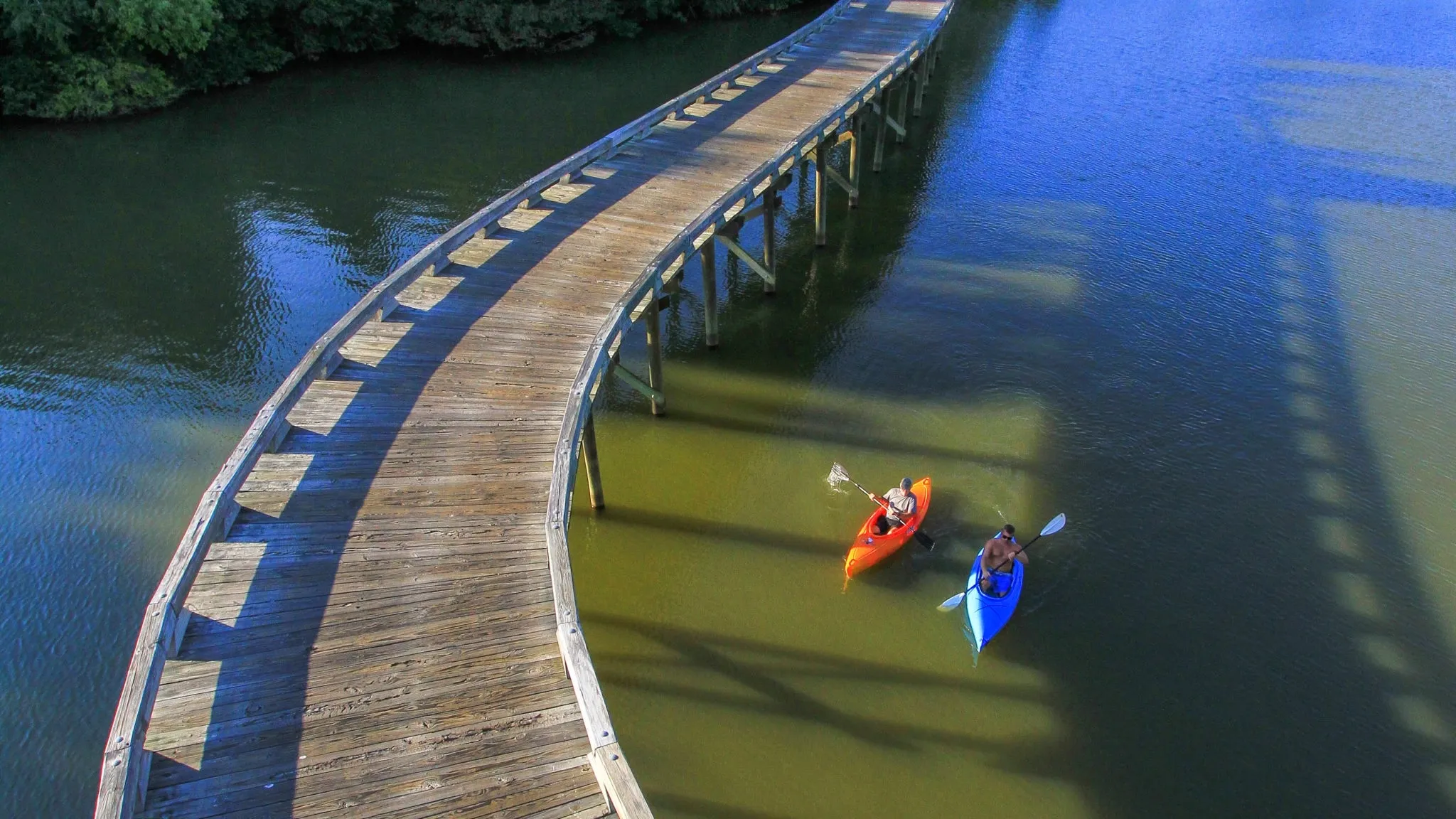
Calm water, a light breeze, and the slow rhythm of a paddle cutting through glassy surface—paddleboarding near a lake offers a unique way to connect with nature and exercise without the crowds or chop of the open ocean. This guide covers essential safety tips, gear recommendations, basic techniques, etiquette, and a selection of top lake paddleboarding spots that promise scenic beauty and accessible conditions for paddlers of varying skill levels.
Why Choose a Lake for Paddleboarding?
Lakes provide forgiving environments for paddleboarders. Usually shallower and more sheltered than coastal areas, they tend to have less current and fewer waves, making them ideal for beginners and those who prefer a gentle outing. Many lakes also offer diverse shorelines—marshy coves, rocky bluffs, tree-lined bays—that create interesting routes and wildlife viewing opportunities.
Beyond calmer water, lakes often have easy access points such as public beaches, docks, and boat ramps. Facilities like parking, restrooms, and picnic areas make planning a day trip simpler. For fitness-focused paddlers, laps around a lake or between marked buoys can be a low-impact way to build strength and endurance.
Essential Gear for Lake Paddleboarding
Choosing appropriate gear enhances both safety and enjoyment. A stable, beginner-friendly board with sufficient volume helps maintain balance, while a kayak-style paddle or standard SUP paddle should be sized to the paddler’s height. A leash is recommended for most lake conditions; it prevents the board from drifting away in case of a fall. Even on calm lakes, a personal flotation device (PFD) is often required by law and always advisable.
Other useful items include water-resistant storage for keys and electronics, a whistle for signaling, suitable footwear for launching from rocky or slippery shorelines, and sunscreen. For longer excursions, bring a small dry bag with snacks, extra clothing layers, and a basic first-aid kit. Hydration and sun protection are easy ways to prevent minor issues from ending an otherwise great outing.
Choosing the Right Board
Inflatable SUPs are popular for lake use thanks to their portability and durability; they pack into a backpack and are less likely to suffer impact damage. Hard boards offer better glide and stability for advanced paddlers or for those doing longer distances. Look for boards labeled “all-around” for versatility, or “touring” models for more efficient tracking on flat water.
Paddle, Leash, and PFD
Paddles come in adjustable and fixed-length varieties. Adjustable paddles are convenient when sharing a board or transporting gear. Leashes can be coiled or straight; coiled leashes keep snags to a minimum, while straight leashes might be favored for SUP surfing—though on lakes, the coiled style is typically preferred. For PFDs, opt for a comfortable design that does not hinder paddling motion.
Basic Paddleboarding Techniques for Lakes
Effective technique begins with stance and balance. Adopt a centered, slightly staggered stance with feet shoulder-width apart, knees soft, and eyes looking forward rather than down at the board. Keep the core engaged to stabilize the body and absorb small shifts in the water. A relaxed grip on the paddle reduces fatigue and allows smoother strokes.
Proper paddle strokes include the forward stroke for propulsion, the sweep stroke for turning, and the reverse stroke for slowing down or stopping. Small torso rotations during strokes, as opposed to relying solely on the arms, increase efficiency and reduce shoulder strain. Practicing transitions between kneeling and standing will build confidence for varied conditions and entry points.
Launching and Landing
Enter the water slowly from a shoreline or dock to maintain control. If launching from a sloped beach, place the board perpendicular to the shore and step into the center. When landing, approach the shore with controlled, shorter strokes to reduce speed, then step off to the side rather than onto the board’s nose to avoid tipping.
Dealing with Wind and Wake
Wind can create unexpected challenges even on lakes. Paddle into the wind for shorter, stronger strokes and plan return routes that use wind direction to advantage. When crossing paths with motorboats or other paddlecraft, anticipate wakes and face them head-on or at a slight angle to avoid capsizing. Remaining aware and adapting stroke cadence helps maintain balance in blustery conditions.
Safety and Etiquette on the Lake
Safety starts with preparation. Check local weather forecasts for wind shifts and storms, and know whether the lake requires specific permits or has restricted zones. File a float plan with someone ashore if embarking on a longer trip and ensure a charged phone or VHF radio is accessible. Awareness of fellow lake users—boaters, anglers, swimmers—is crucial for preventing collisions and respecting shared spaces.
Lake etiquette includes yielding to larger, faster-moving vessels, avoiding shallow or vegetated areas that may host nesting birds and fish, and keeping noise levels down near residential shores. Leave no trace: pack out all trash and avoid disturbing shoreline plants. Respect posted signs and follow local rules regarding PFDs, leash requirements, and hours of operation.
What to Do in an Emergency
If someone falls into the water, remain calm and use the board as a stable platform for recovery. Approach from downwind or downstream if possible, and allow the person to grab the board or paddle to pull themselves up. In case of injury, administer basic first aid and call for professional help if needed. Carrying a whistle or signaling mirror can assist with attracting attention in remote areas.
Fitness Benefits and Training Tips
Paddleboarding is a full-body workout that emphasizes core strength, balance, and endurance. Regular sessions improve posture, enhance cardiovascular health, and increase flexibility. For targeted training, incorporate interval paddling—alternating between higher-intensity bursts and moderate recovery—to build aerobic capacity. Cross-training with yoga or strength work can translate to better stability and longer, more comfortable outings.
For progression, set measurable goals: increase distance by a certain percentage each week, work on maintaining a steady cadence, or practice standing for longer periods without support. Tracking metrics like distance, pace, and duration helps monitor improvements and keeps outings purposeful rather than purely recreational.
Top Spots for Paddleboarding Near Lakes
Finding the right lake depends on desired scenery, skill level, and the type of experience sought. Quiet, spring-fed lakes with clear water and gentle shorelines make for leisurely paddles and wildlife viewing. Larger recreational lakes may offer marked routes, rental shops, and social meet-ups, while mountain reservoirs provide dramatic backdrops and cooler temperatures. A few standout examples illustrate the variety of lake paddleboarding experiences available.
Crystal Bay Cove
Crystal Bay Cove features emerald water and a shoreline dotted with pines and granite outcroppings. The cove’s sheltered areas create excellent protected channels for beginners, while the open arms of the lake offer longer routes for more experienced paddlers. Minimal boat traffic and well-maintained launch points make this a favorite among families and nature photographers.
Meadowlake Reservoir
Meadowlake Reservoir is a larger body of water ideal for fitness-oriented paddlers. Clear landmarks and marked buoys allow for measured laps and interval training, while the wide expanse provides opportunities to practice sustained flat-water paddling. On calm mornings, reflections of the surrounding hills produce stunning vistas that enhance longer workouts.
Sparrow Marsh
Sparrow Marsh offers a calmer, wildlife-rich environment with sheltered channels that snake through reeds and lily pads. This area is perfect for slow exploration and birdwatching, though extra caution is needed to avoid damaging vegetation. Soft launches from grassy banks and quiet paddling create a meditative experience for people seeking refuge from busier lake zones.
Planning a Lake Paddleboarding Day
Good planning makes the difference between an enjoyable day and one cut short by avoidable mistakes. Check launch access points and parking availability; some popular lakes limit parking or require timed reservations. Confirm rental availability ahead of time if not bringing personal equipment. Review local rules about dogs on boards—some lakes require dogs to wear PFDs—and bring appropriate gear for pets if planning to include them.
Pack layers to manage temperature changes; mornings can be cool and windier, while midday heat demands sun protection. A simple checklist—board, paddle, leash, PFD, sun protection, water, snacks, phone in a dry bag, and a small first-aid kit—covers the essentials for most day trips. For extended tours, include navigation tools, extra clothing, and a larger dry bag for safety items and food.
Group and Event Paddleboarding
Group outings add a social dimension to paddleboarding and can improve safety through numbers. Group leaders should plan a route that accommodates the least-experienced paddler, establish a buddy system, and set rendezvous points. Briefing everyone on signals, pace, and safe passing procedures reduces confusion on the water. Events like sunrise paddles or charity laps bring communities together and introduce newcomers to the sport in an organized setting.
When joining group events, arrive early for gear checks and to learn about any local restrictions. Respect group pace and communication; slower participants benefit from clear instructions and encouragement. Group paddling often fosters a sense of shared achievement and can be an excellent way to explore new lakes with experienced local guides.
Final Thoughts and Next Steps
Paddleboarding on lakes combines ease of access, scenic variety, and a forgiving learning curve that appeals to beginners and seasoned paddlers alike. With the right gear, attention to safety, and an understanding of basic technique, lake paddleboarding becomes a sustainable and enriching outdoor hobby. Exploration is as simple as packing a few essentials and choosing a calm morning on an inviting shoreline.
Planning trips around favorable weather, respecting local rules and wildlife, and gradually building confidence through short, regular outings will turn tentative first tries into comfortable, capable paddling. The lake is an open invitation—quiet coves, wide expanses, and hidden channels await those ready to glide, exercise, and slow down in nature’s mirror.
Discover Waterfront Living at Tennessee National
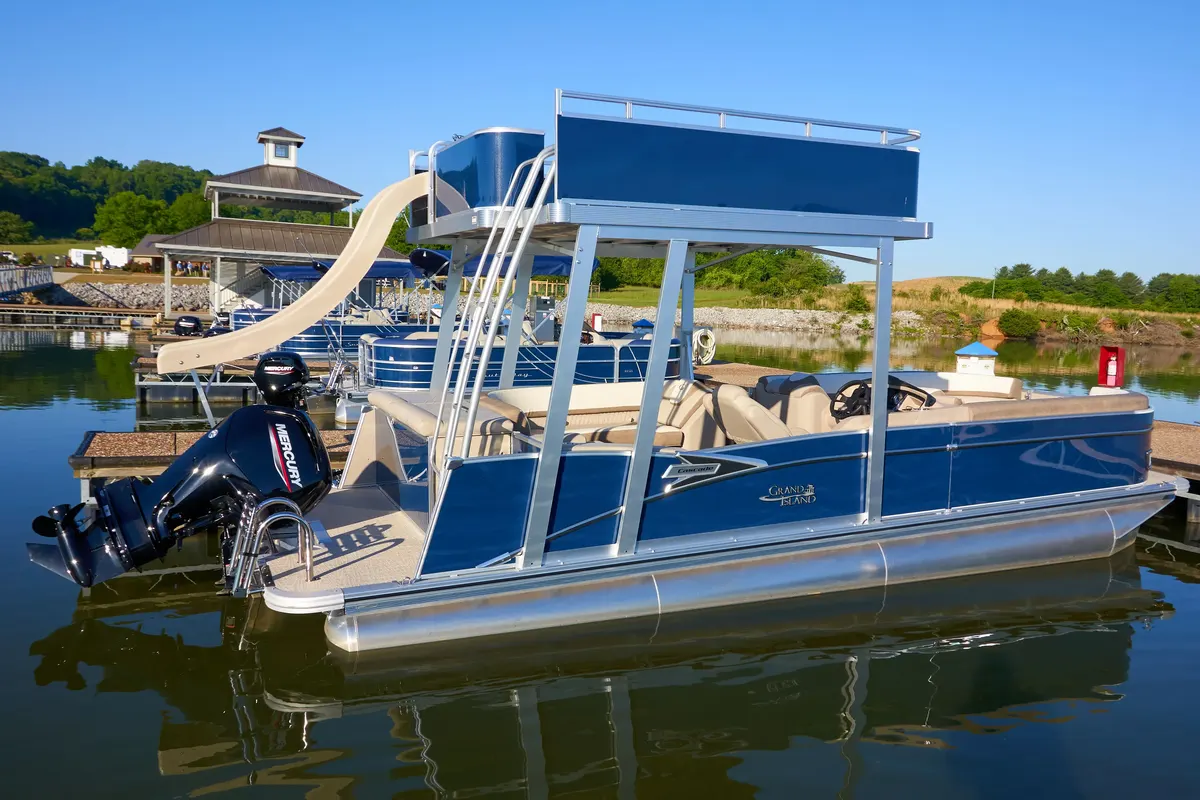
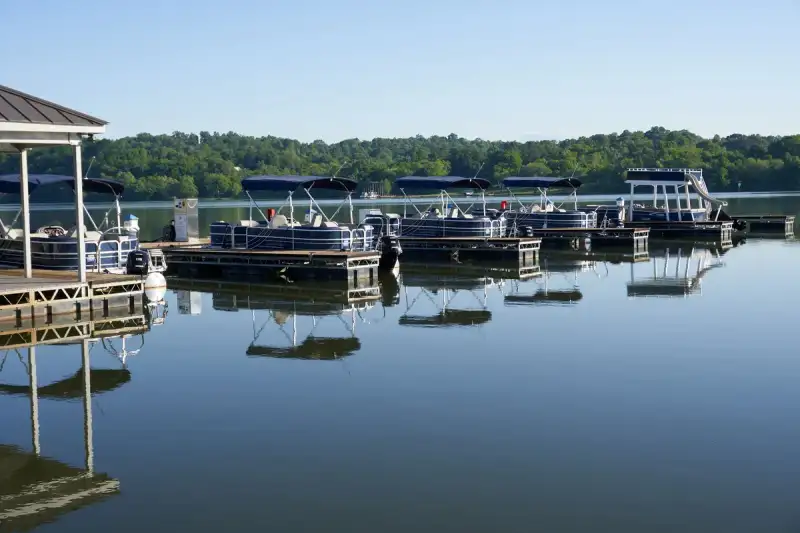
Imagine paddleboarding on serene waters just steps from your front door. At Tennessee National, enjoy resort-style living with access to a private marina, scenic nature trails, and breathtaking lake views that perfectly complement your outdoor lifestyle. Whether seeking a move-in ready home or a custom build, our premier gated community offers unparalleled amenities designed for relaxation and recreation. [