
Building or buying new construction near a lake combines the allure of waterfront living with the comfort of modern design. This guide outlines the best neighborhoods to consider, practical tips for evaluating new builds, financing considerations, and the lifestyle factors that matter most when choosing a lakeside home. Whether searching for a primary residence, weekend retreat, or investment property, the right neighborhood and a thorough buying strategy make all the difference.
Why Choose New Construction by the Lake?
New construction offers the latest building techniques, energy-efficient systems, and contemporary layouts that often better accommodate modern life than older homes. Lakeside neighborhoods add recreational access and scenic views, which contribute to long-term value and quality of life. For many buyers, the combination of low-maintenance exteriors, updated appliances, and smart-home integration outweighs the charm of older cottages that require constant upkeep.
Developers often design new lakeside communities with amenities like private docks, walking trails, community clubhouses, and shared green spaces. These planned features create a neighborhood feel and can provide built-in activities and social opportunities, particularly appealing for families and retirees who want an active, connected environment.
In addition to modern amenities, new lakeside homes are frequently built with sustainability in mind. Many incorporate eco-friendly materials, solar panels, and high-performance insulation to reduce environmental impact and utility costs. This focus appeals to environmentally conscious buyers who want to enjoy the beauty of the lake while minimizing their carbon footprint.
Moreover, buying new construction often means fewer unexpected repairs and maintenance expenses, giving homeowners greater peace of mind. Buyers typically have the opportunity to customize finishes, layouts, and landscaping, tailoring their home to their exact preferences. This level of personalization ensures that the home suits their lifestyle perfectly from day one, combining the tranquility of lakeside living with the convenience of brand-new features.
Top Neighborhood Characteristics to Look For
Not all lakeside developments are created equal. Prioritize neighborhoods that balance access, community planning, and environmental stewardship. Key attributes include proximity to the water, protected shoreline or easements, and well-thought-out drainage and flood mitigation systems. Look for communities that have a buffer of green space between homes and the water to preserve views and privacy.
Infrastructure matters: paved roads, reliable utilities, and thoughtful placement of garages and driveways can greatly affect daily convenience. Communities with robust homeowner associations can maintain common areas and shared facilities, but it’s crucial to review HOA rules, fees, and reserve funding to avoid surprises down the road.
Consider also the availability of recreational amenities such as community docks, walking trails, and parks, which enhance the quality of life and foster a neighborly atmosphere. Quality local schools, nearby shopping, and access to emergency services contribute significantly to long-term satisfaction and property value.
Finally, investigating the neighborhood’s history with environmental challenges, such as past flooding or erosion, can inform your decision. Neighborhoods actively investing in sustainable landscaping and water quality improvement initiatives not only protect the ecosystem but also provide a healthier living environment for residents.
Best Neighborhood Types for Lakeside Living
Different buyers will prefer different neighborhood types. Consider these common models: gated developments with private marina access, mixed-use villages that include shops and cafes within walking distance, and low-density enclaves focused on large lots and privacy. Each type delivers a distinct lifestyle—choose one that aligns with daily routines and long-term goals.
For those who value social connection, communities with active event calendars and shared amenities often provide the most immediate sense of belonging. For buyers seeking solitude, neighborhoods with large setbacks, protected shorelines, and strict development limits offer more privacy and a quieter atmosphere.
Additionally, some lakeside neighborhoods emphasize environmental stewardship, integrating green spaces and sustainable infrastructure to preserve the natural beauty and health of the lake ecosystem. These areas often include walking trails, community gardens, and wildlife habitats that encourage residents to engage actively with nature while maintaining low environmental impact. Such neighborhoods appeal to buyers who prioritize eco-friendly living and a harmonious relationship with their surroundings.
Another important consideration is accessibility and convenience. Neighborhoods located near major roads or with well-planned transportation options allow easy commutes to nearby towns or cities, enhancing daily practicality without sacrificing lakeside charm. Conversely, more remote communities offer a retreat-like experience but may require longer travel times for shopping, work, or schooling, factors that buyers should weigh carefully based on lifestyle preferences.
Evaluating Builders and Development Plans
Choosing a reputable builder is as important as selecting the neighborhood. Review past projects, ask for references from recent buyers, and visit completed homes when possible. Pay attention to build quality, warranty coverage, and how the builder handles punch-list items. Transparent communication and a clear timeline are signs of a reliable builder.
Request site plans and ask questions about future phases of development. Some lakeside communities sell in stages, and future construction could obstruct views or add traffic. Confirm the developer’s plan for common amenities, landscaping, and shoreline maintenance so the final community matches expectations.
Inspection and Due Diligence for New Builds
Even new construction benefits from an independent inspection. A professional inspector can identify issues with grading, drainage, insulation, and HVAC installation that might not be obvious at final walkthrough. An inspector experienced with lakeside properties can also evaluate flood mitigation measures and shoreline stability.
Review building permits, soil tests, and environmental impact studies if available. Ask for details on erosion control plans and any measures taken to protect the lake ecosystem during and after construction. Boat access, dock permits, and local regulations governing shoreline structures should be confirmed before committing to a purchase.
Flood Risk and Insurance Considerations
Lakeside properties often fall into higher flood zones or carry unique water-related risks. Obtain floodplain maps and determine the property’s elevation relative to the lake’s high-water mark. Flood insurance requirements and premiums can significantly affect monthly housing costs, so secure accurate quotes before finalizing a purchase.
Financing New Construction Near the Lake
Financing a new build can differ from buying an existing home. Construction loans typically convert to permanent mortgages upon completion, and builders often work with preferred lenders. Compare lender terms, interest rates, and closing fees; being tied to a builder’s lender may limit negotiation power.
Budget for additional costs beyond base price: upgraded finishes, landscaping, docks or boat slips, and HOA initiation fees. Escrow for future shoreline maintenance and community reserve contributions should also be factored into long-term affordability calculations.
Choosing the Right Floor Plan and Features
Lake living influences functional choices in the home. Look for floor plans that maximize views and natural light—larger windows facing the water, covered outdoor living spaces, and elevated main floors to mitigate flood risk. Flexible living areas work well for weekend guests, remote work, or multi-generational households.
Durable, low-maintenance materials are essential in lakeside environments. Opt for composite decking, marine-grade fasteners, moisture-resistant siding, and tile or vinyl flooring in entryways to withstand wet conditions. Consider engineered materials and finishes that reduce ongoing maintenance and protect against humidity and pests.
Outdoor Living, Access, and Boating
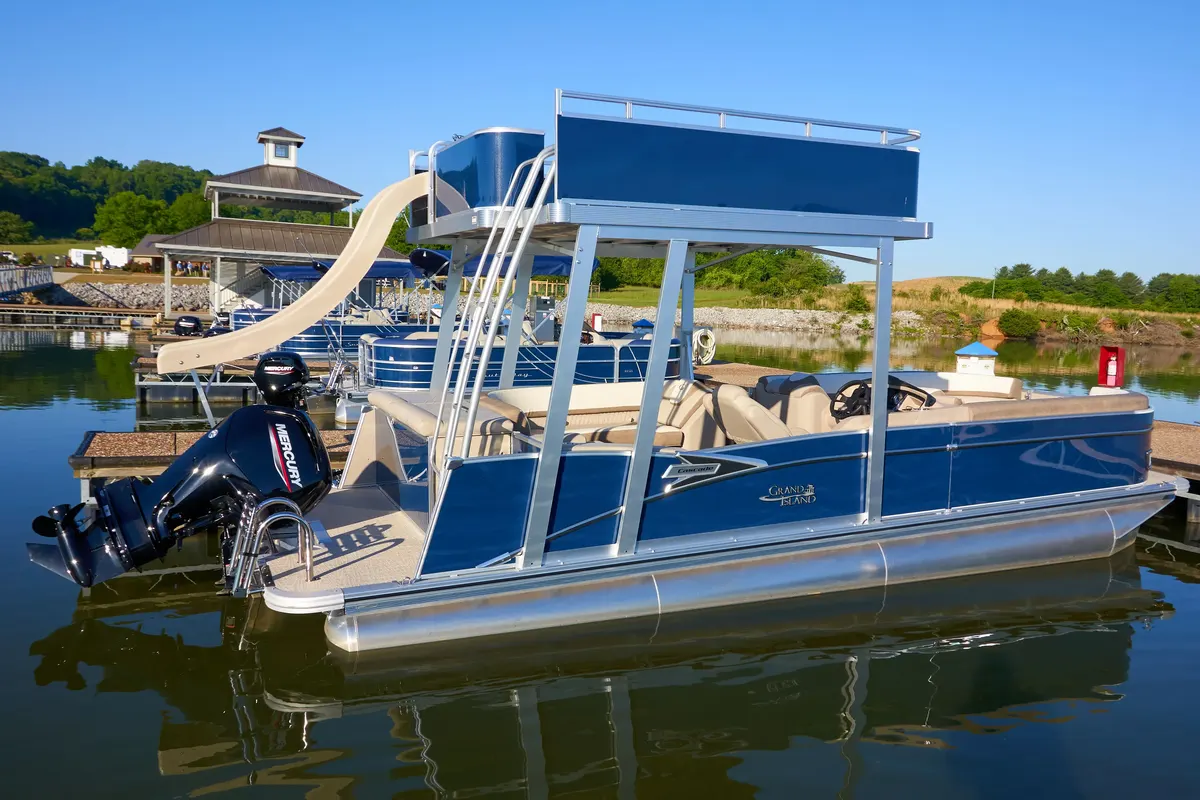
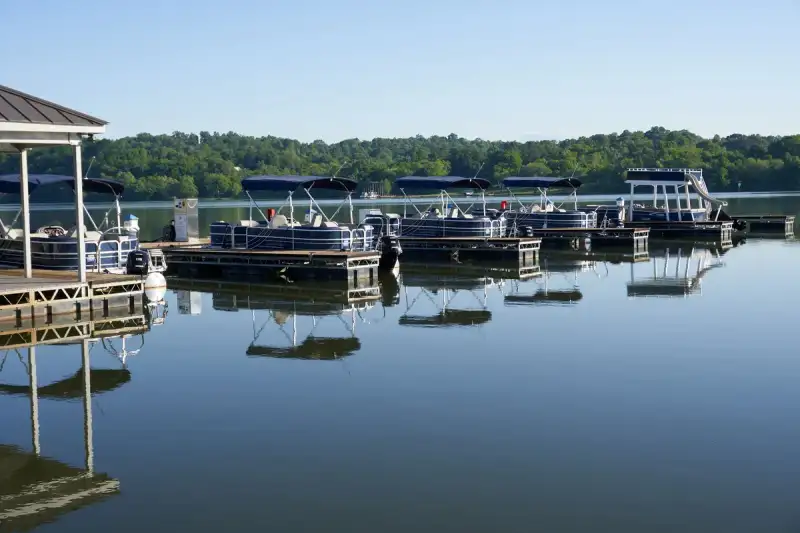
Outdoor spaces define the lakeside experience. Private docks and boat slips provide direct access to water activities, but local regulations and HOA policies may restrict boat size, motor type, or dock placement. Evaluate dock ownership—some are deeded while others are community-managed—and confirm responsibilities for repairs and insurance.
Shoreline landscaping should use native plants and erosion-control techniques to preserve water quality and minimize maintenance. Check for community amenities like boat launches, kayak storage, and swim areas. Proximity to public access points or marinas can add convenience if private docks are unavailable.
Community Lifestyle and Long-Term Value
Assess the neighborhood’s social fabric and future growth potential. Are there clubs, volunteer groups, or seasonal events that indicate an active resident base? Communities that emphasize conservation, trails, and outdoor recreation tend to maintain higher resale values and retain buyer interest over time.
Consider local zoning and development trends beyond the immediate neighborhood. Nearby commercial growth can increase convenience but also bring traffic and noise. Conversely, planned preservation areas or limited commercial development can preserve the serene lakeside character that attracts buyers.
Checklist Before Making an Offer
Before submitting an offer, run through a final checklist: confirm flood zone and insurance costs, inspect shoreline and dock plans, review HOA covenants and reserve funding, verify builder warranty and completion timeline, and secure financing terms for both construction and permanent mortgage. It’s also prudent to consult a real estate attorney for contract review when buying in a developer-controlled community.
Factor in closing timelines tied to construction schedules, any contingencies for delayed completion, and penalties for missed deadlines. Clear contractual language about upgrades, change orders, and final walk-through expectations can prevent disputes and ensure a smoother transition to ownership.
Moving In and Maintaining a Lakeside Home
Once settled, establish a maintenance plan tailored to lakeside conditions. Regular inspections of docks, bulkheads, and shoreline vegetation prevent costly repairs. Seasonal tasks—such as winterizing boats and HVAC systems—protect property value and reduce emergency maintenance expenses.
Engage with neighbors and community boards early to stay informed about shoreline health initiatives, dock regulations, and shared amenity scheduling. Active participation helps shape neighborhood priorities and ensures long-term stewardship of the lake environment that made the property desirable in the first place.
Final Thoughts: Balancing Lifestyle and Practicality
New construction near the lake can deliver both the dream of waterfront living and the convenience of contemporary design, but success depends on thoughtful neighborhood selection and rigorous due diligence. Prioritize builder reputation, flood and shoreline assessments, and a realistic budget that includes ongoing community and maintenance costs. With careful planning, a lakeside home can be a durable investment and a daily source of relaxation and recreation.
For buyers seeking a balance between social amenities and natural beauty, the right lakeside neighborhood will provide both. Evaluate how each potential community supports personal priorities—whether boating, solitude, family activities, or rental income—and choose a property that aligns with lifestyle goals and long-term financial plans.
Discover Your Lakeside Dream Home at Tennessee National
Embrace the perfect blend of luxury lakeside living and modern comfort at Tennessee National. Our premier gated community offers stunning waterfront homes, a Greg Norman Signature Golf Course, private marina, and over 20 exclusive amenities designed to elevate your lifestyle. Whether you prefer a move-in ready residence or a custom build, Tennessee National provides the ideal setting for relaxation, recreation, and connection. [