Retirement living has transformed in recent decades, and luxury home retirement options now offer comfort, design, and support without sacrificing independence. This guide explores what defines luxury retirement living at home, financial strategies, design considerations, lifestyle amenities, health and safety planning, and how to choose services and providers that match long-term goals.
What Defines Luxury Home Retirement Living?
Luxury home retirement living goes beyond upscale finishes. It blends high-end design, accessibility, personalized concierge-style services, and technologies that support aging in place. The goal is to maintain autonomy while elevating everyday experiences—better materials, thoughtful layouts, and on-demand services create an environment that feels both secure and indulgent.
Luxury can mean different things depending on priorities: proximity to cultural centers, private outdoor spaces, gourmet kitchens, wellness facilities, or discreet in-home care. The common thread is intentionality—each element is chosen to enhance quality of life and reduce friction as needs evolve.
In addition to the physical environment, community connection plays a vital role. Many luxury retirement homes incorporate spaces and programs designed to foster social interaction, lifelong learning, and creative expression. This holistic approach not only enriches mental and emotional well-being but also nurtures a sense of belonging, which is highly valued by residents seeking both comfort and engagement.
Technology integration is another hallmark of luxury living. From voice-activated assistants to automated lighting and climate controls, smart systems are tailored to improve safety and convenience without compromising aesthetics. Telehealth capabilities, emergency response systems, and customizable monitoring options ensure that residents receive timely support while maintaining privacy and independence.
Core characteristics
High-quality materials and finishes; well-planned, accessible layouts; integrated smart-home technology; dedicated spaces for hobbies and socializing; and access to professional care or concierge services. Sustainability and low-maintenance landscaping have become part of the luxury equation as well.
Financial Planning and Affordability
Luxury retirement living requires realistic financial planning. A combination of savings, investments, home equity, pensions, and potential long-term care insurance usually funds these lifestyles. It is essential to create a cash-flow plan that accounts for one-time renovation costs, ongoing service fees, utilities, insurance, and unexpected care expenses.
Several strategies make luxury options more accessible: downsizing to a smaller high-quality home, tapping home equity through reverse mortgages or home-sale proceeds, phased renovations to spread costs, or partnering with trusted service providers who offer bundled packages.
Budget components to consider
Initial capital outlay for purchase or renovations, monthly operating costs (utilities, maintenance, landscape, subscription services), staffing or care costs (hourly or retainer-based), technology subscriptions, and contingency funds for health-related needs. Tax implications and estate planning also affect the financial picture.
Moreover, incorporating inflation projections into the financial plan can protect against the long-term erosion of purchasing power. Since luxury retirement lifestyles often span decades, anticipating increases in healthcare, property taxes, and service fees is crucial. Consulting with a financial advisor who specializes in retirement planning can help tailor strategies to individual circumstances, ensuring a sustainable and comfortable lifestyle.
Another important consideration is the potential impact of healthcare needs escalating over time. Securing long-term care insurance early may help offset significant future expenses related to assisted living or specialized medical care. Additionally, some retirees explore opportunities to generate supplemental income through part-time work, renting out property, or investing in dividend-generating assets to enhance financial flexibility during retirement.
Designing a Luxury Home for Aging in Place
Design decisions should balance beauty and function. Universal design principles make homes more accessible without sacrificing style. Consider single-floor living, zero-step entries, wider doorways, and bathrooms that can safely accommodate mobility aids. Subtle, elegant design solutions can hide functional elements while maintaining a refined aesthetic.
Lighting, acoustics, and circulation are central to comfort. Natural light and layered artificial lighting reduce fall risk and improve mood. Clear sightlines, minimal clutter, and well-marked transitions between spaces support cognitive ease and daily navigation.
Kitchen and bathroom innovations
In kitchens, pull-out shelves, side-opening ovens, induction cooktops, and height-adjustable counters combine culinary pleasure with usability. Bathrooms benefit from curbless showers, grab bars integrated into tile work, thermostatic controls, and raised toilets with clean lines that blend into luxury design.
Materials and finishes
Durable, low-maintenance materials like quartz, porcelain, and engineered woods preserve the home’s appearance while reducing upkeep. Textured flooring choices provide slip resistance, and antimicrobial surface selections add another layer of health-conscious design without detracting from the look.
Technology and Smart Home Integration
Smart home technology is essential for luxury retirement living. Seamless systems control lighting, climate, security, and entertainment. Voice control and intuitive interfaces help residents manage their environment easily, while health-monitoring sensors provide discreet fall detection, medication reminders, and activity monitoring for peace of mind.
Integration with telehealth services allows regular consultations with medical professionals without leaving the home. Robust cybersecurity and privacy protections are necessary to ensure that convenience does not come at the cost of safety.
Recommended tech features
Automated lighting and shading, smart locks and video doorbells, medical alert systems integrated with home automation, whole-home audio, remote-controlled blinds, and energy management systems that optimize comfort and reduce utility costs.
Services and Staffing Options
Luxury home retirement frequently includes a mix of in-home services: housekeeping, private chefs, personal assistants, caregivers, and wellness professionals. Some opt for hourly support while others secure live-in caregivers or on-call medical staff. Reliable service providers with professional credentials and background checks are a priority.
Concierge-style offerings extend beyond daily needs—arranging travel, coordinating events, sourcing hard-to-find items, and making medical appointments. Building a network of vetted professionals ensures high-quality service and continuity as needs change.
Finding and managing staff
Use established agencies or vetted independent professionals with verifiable references. Clearly defined contracts, contingency plans, and replacement clauses help maintain service continuity. Consider trial periods and periodic performance reviews to keep standards high.
Lifestyle, Wellness, and Social Connection
Luxury retirement living emphasizes holistic wellness—physical, cognitive, and social. On-site or in-home fitness programs, personalized nutrition plans, and access to mental health professionals support long-term vitality. Opportunities for social engagement through private clubs, cultural outings, and small-group experiences help combat isolation.
Hobbies and creative pursuits are encouraged with dedicated spaces: art studios, music rooms, workshop areas, or well-equipped libraries. Outdoor living—gardens, terraces, and walking paths—connect residents to nature and provide gentle exercise opportunities.
Programming and community integration
Curated event calendars, guest lectures, and small-group travel can be arranged through concierge services. Relationships with local cultural institutions, universities, and fitness centers enrich the lifestyle and open opportunities for lifelong learning and participation.
Health, Safety, and Legal Considerations
Risk management is a cornerstone of luxury retirement homes. Regular assessments by occupational therapists and geriatric care managers identify home modifications and care plans that reduce fall risk and support independence. Emergency response systems and clear medical directives are critical.
Legal planning includes up-to-date wills, advance directives, power of attorney documents, and clear contracts with service providers. Insurance coverage for liability, property, and long-term care needs should be reviewed regularly to avoid gaps.
Emergency preparedness
Establish a plan for medical emergencies, severe weather, and temporary loss of utilities. Backup power solutions, accessible emergency contact lists, and rehearsed evacuation routes increase safety. Technology can automate alerts to family members and care teams.
Renovation and New-Build Considerations
Deciding between renovating an existing home or building anew depends on location, structural condition, and budget. Renovations can preserve sentimental value and neighborhood ties, while new builds allow complete customization for future-proofing. Prioritize adaptability—spaces that can shift function as needs evolve.
Phased renovations minimize disruption, allowing residents to remain in their homes while upgrades occur. Work with architects and contractors experienced in aging-in-place design to ensure that luxurious aesthetics and practical needs are balanced.
Smart staging of projects
Start with the most impactful upgrades: accessible bathrooms and entryways, improved lighting, and essential tech integration. Secondary projects like landscaping or a luxury kitchen can follow. Allocate contingency funds for unexpected structural issues discovered during renovation.
Choosing the Right Location
Location affects day-to-day convenience and long-term value. Proximity to healthcare, cultural amenities, family, and transportation options should be weighed. Some prefer quiet suburban or rural settings with ample outdoor space, while others prioritize walkable urban neighborhoods close to restaurants and theaters.
Climate and tax considerations also influence decisions. Regions with mild weather reduce snow removal and extreme heat concerns, while state taxes and property assessments impact total cost of living.
Neighborhood and resale value
Even with plans to age in place, resale value matters. Choosing a neighborhood with stable property values, good nearby services, and attractive long-term demand helps preserve the investment. Consult local real estate experts who understand retirement market trends.
Transitioning Gracefully Over Time
Transitions are smoother with forethought. Creating a phased care and service plan anticipates changing needs—ramping up in-home care when necessary, adapting spaces for mobility aids, or arranging temporary stays in assisted facilities during recovery. Documentation of medical history, legal papers, and service contracts should be centralized and easily accessible.
Maintaining social ties and purposeful activities contributes to emotional resilience during transitions. Families and professional advisors can collaborate to adjust plans while preserving dignity and autonomy for the resident.
When to consider moving to assisted settings
Signs include increasing difficulty with daily activities despite support, unmanaged chronic health issues, repeated falls, or social isolation that impacts well-being. A thoughtful transition plan includes a timeline, financial forecast, and criteria for when additional care settings may be appropriate.
Conclusion: Designing a Life, Not Just a Home
Luxury home retirement living is about crafting a practical, beautiful environment that supports health, independence, and happiness. By combining thoughtful design, reliable services, smart technology, and careful financial planning, it is possible to enjoy a rich lifestyle at home for many years.
Ultimately, the most successful plans prioritize flexibility and relationships—choices that allow the home to evolve with changing needs while remaining a center of comfort and personal fulfillment.
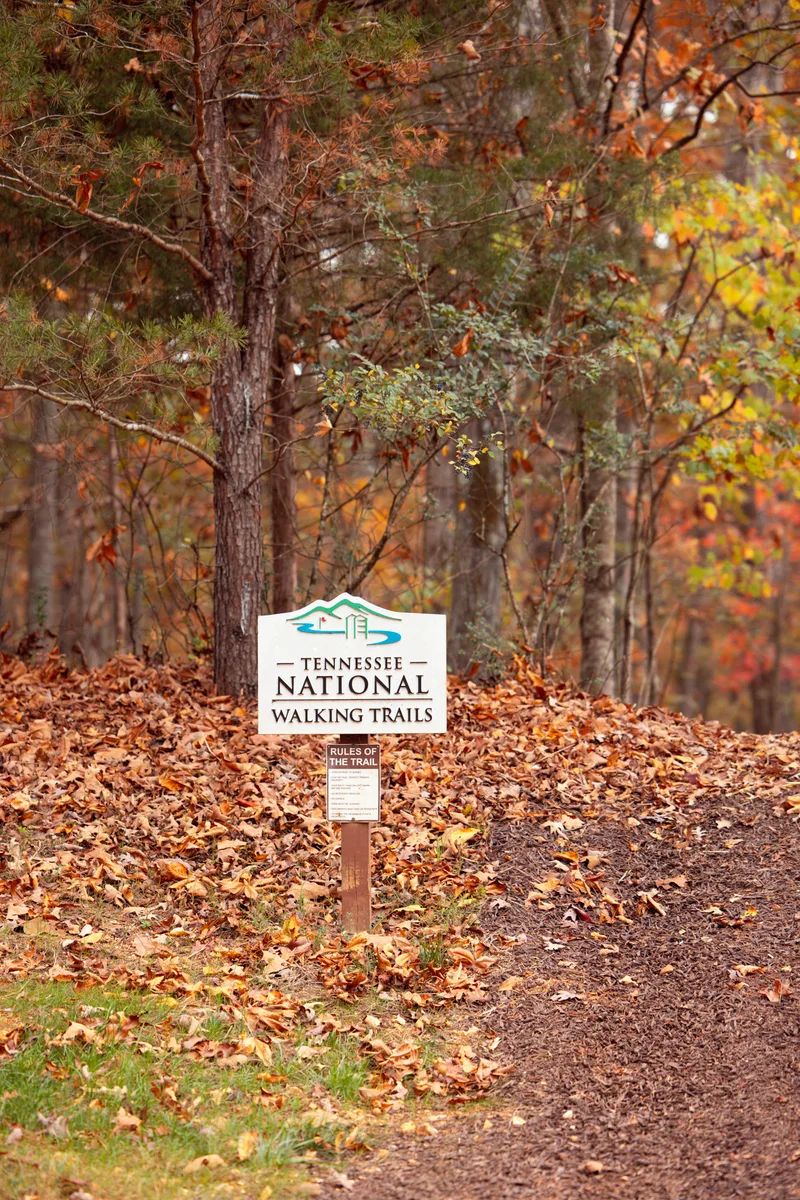
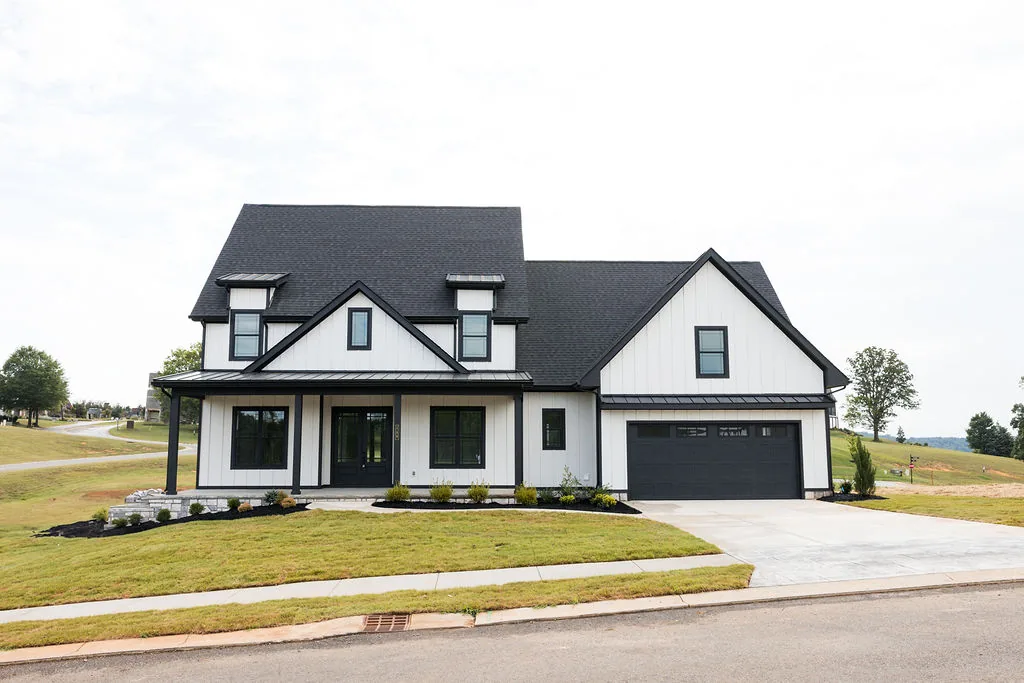
Discover Your Luxury Retirement Lifestyle at Tennessee National
Embrace a retirement experience that blends thoughtful design, exceptional services, and vibrant community life at Tennessee National. Located in the stunning Tennessee landscape, our premier gated community offers resort-style living with unique amenities like a Greg Norman Signature Golf Course, private marina, and waterfront dining. Whether you seek a move-in ready home or a custom build, now is the perfect time to explore how Tennessee National can support your vision of luxury home retirement living. [