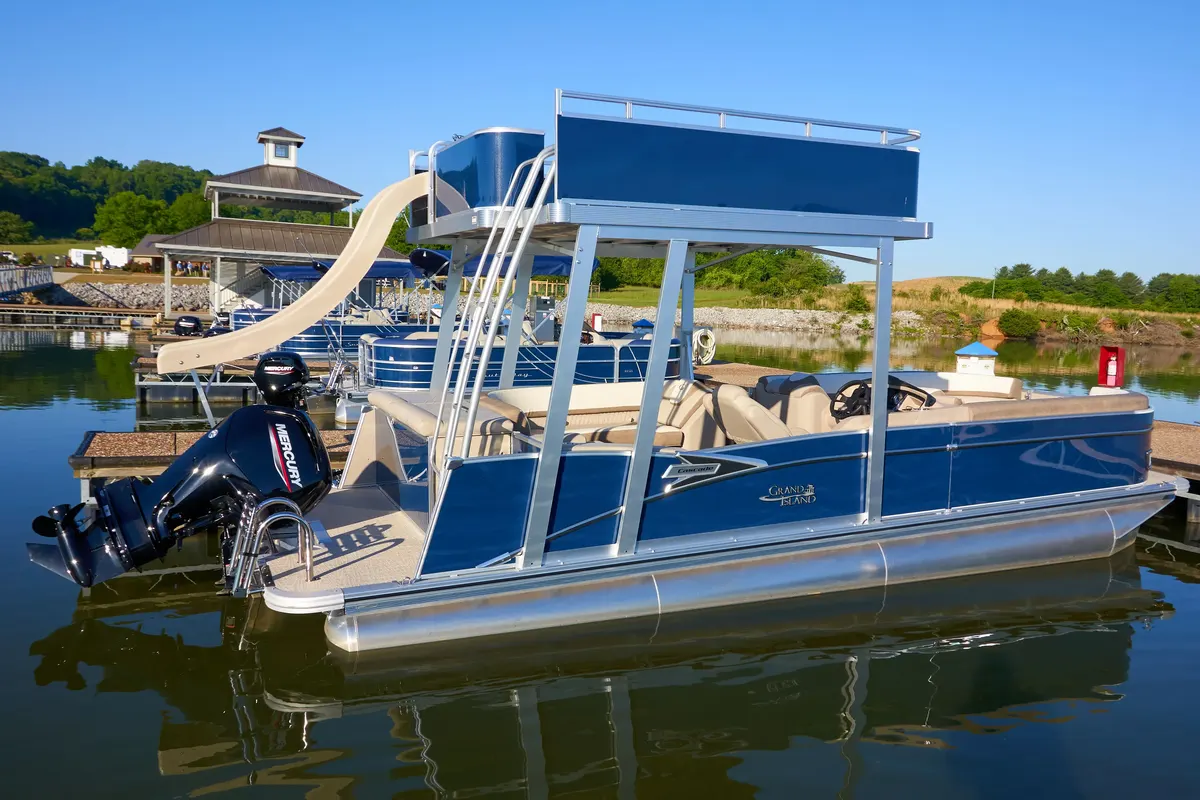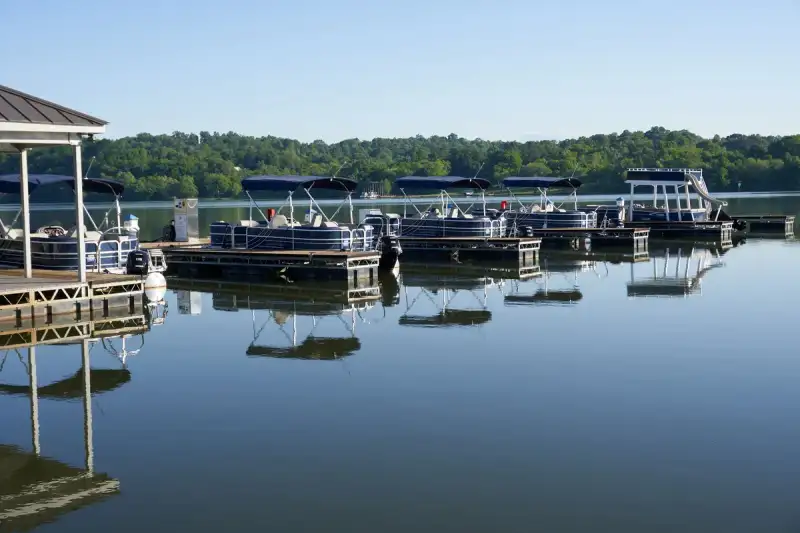

Discover the irresistible appeal of a lakeview home that balances relaxed waterfront living with thoughtful design and practical amenities. This article explores what makes these properties special, how to evaluate one, and ways to maximize enjoyment of life by the water.
Why Lakeview Homes Captivate
Lakeview homes carry a timeless attraction: calm water, natural light, and a sense of escape that begins the moment the shoreline appears. The visual connection to a lake creates an ever-changing backdrop through seasons and weather, making everyday life feel more like a retreat.
Beyond aesthetics, proximity to water often enhances lifestyle options. Kayaking, fishing, evening walks along the shore, and watching wildlife become part of the daily routine for residents. This access to outdoor recreation contributes to physical and mental wellbeing in a way that urban apartments simply cannot match.
Additionally, the microclimate around lakes can influence comfort levels year-round. The water tends to moderate temperatures, often resulting in cooler summers and milder winters compared to inland areas. This natural temperature regulation can extend the enjoyment of outdoor spaces and reduce heating and cooling costs in lakeview homes. Moreover, the sounds of gentle water movement and birdsong add a soothing auditory backdrop that can significantly reduce stress and enhance focus, whether for work or leisure.
Another compelling aspect is the strong sense of community often found in lakefront neighborhoods. Residents frequently bond over shared interests like boating clubs, fishing tournaments, or conservation efforts. These social opportunities, combined with access to nature, create a lifestyle that balances privacy with connection, appealing to families, retirees, and solo dwellers alike.
Emotional and Lifestyle Benefits
Living near a lake tends to foster a slower, more reflective rhythm. Mornings with fog lifting off the water, afternoons spent on a dock, and sunsets mirrored on the surface create routines that support relaxation and connection. These simple pleasures add measurable quality of life, especially for those valuing quiet and nature.
Investment and Resale Considerations
Waterfront properties often hold value well, provided they are maintained and located in desirable settings. Market demand for scenic views and private access tends to be consistent, though seasonal fluctuations and local regulations can affect long-term appreciation. Thoughtful upgrades and flood-conscious improvements help protect investment value.
Prospective owners should also be mindful of potential challenges associated with lakefront living, such as insurance costs, environmental regulations, and maintenance needs unique to waterfront properties. For example, erosion control and dock upkeep require periodic attention and budgeting. However, buyers who approach these considerations proactively often find that the benefits—both personal and financial—substantially outweigh the challenges. Partnering with knowledgeable local real estate agents and environmental experts can further smooth the ownership experience.
Design Elements That Make a Lakeview Home Work
Architectural choices play a huge role in leveraging the lake as a focal point. Large windows, open floor plans, and outdoor living spaces are hallmarks of successful lakeview homes because they maximize sightlines and natural light.
Material selection also matters. Natural materials like wood and stone blend interiors with the lakeside environment, while durable finishes withstand humidity and seasonal temperature swings. Thoughtful landscaping enhances privacy without obstructing views.
Window Placement and Sightlines
Strategic window placement brings the lake into the heart of the living spaces. Picture floor-to-ceiling windows in a great room, corner glazing that captures sunrise reflections, or transom windows that let light filter into hallways. Proper shading and glazing help control heat gain while maintaining clear views.
Indoor-Outdoor Flow
Seamless transitions between interior and exterior spaces encourage outdoor living. Sliding or folding glass doors open to patios, screened porches, or decks, which become extensions of the home during temperate months. Consider covered areas for shade and rain protection so the outdoors can be enjoyed year-round.
Private Dock and Shoreline Use
When available, a private dock transforms a property into a true waterfront retreat. Docks expand recreational possibilities, offering a place to moor a boat, fish, or lounge above the water. Dock design should prioritize safety, ease of maintenance, and adherence to local permitting and environmental guidelines.
Site Selection: Choosing the Right Lot and Orientation
Not all lakefront lots are created equal. Topography, water depth, exposure to wind, and neighboring properties influence both the experience and the practicality of lakeside living. Evaluating a lot carefully helps avoid surprises after purchase.
Orientation matters too. A west-facing home may deliver spectacular sunsets, while an eastern exposure brings gentle morning light and cooler afternoons. Wind patterns affect where to place outdoor seating and docks, and natural buffers like trees can provide privacy and shelter.
Assessing Shoreline and Water Conditions
Inspecting shoreline composition—whether rock, sand, or vegetation—affects both enjoyment and maintenance. Sandy shorelines are often preferred for easy wading and beach-like access, while rocky shores may require careful access and hardier dock installations. Water clarity, seasonal fluctuations, and aquatic plant growth are important to observe during multiple visits.
Flood Risk and Erosion Considerations
Shoreline properties face unique risks like flooding and erosion. Understanding historical water levels, local floodplain maps, and past storm impacts is essential. Reinforcement measures such as riprap, retaining walls, or native-plant buffers can mitigate erosion, but they require permitting and careful design to avoid harming natural systems.
Practical Upgrades for Comfort and Resilience
Smart investments enhance everyday comfort and long-term durability. Upgrades should prioritize moisture management, energy efficiency, and materials that resist weathering. A well-planned maintenance schedule preserves the property’s appeal and function over decades.
Moisture and Mold Prevention
Proper ventilation, vapor barriers, and moisture-resistant insulation reduce the risk of mold in humid lakeside climates. Dehumidifiers and mechanical ventilation systems help keep indoor air dry during warm months, while guttering and drainage divert water away from foundations and crawlspaces.
Storm Preparedness and Winterizing
Homes near lakes must be prepared for seasonal extremes. Storm shutters or impact-resistant glass protect windows during severe weather, while secure outdoor storage preserves furniture and equipment. For colder climates, winterizing the plumbing and ensuring frost-protected water hookups on docks help prevent costly freeze damage.
Energy Efficiency and Comfort
Insulation, high-performance windows, and efficient HVAC systems maintain comfort while cutting energy bills. Passive strategies—such as overhangs that shade summer sun and allow winter light—reduce mechanical loads. Solar panels and smart thermostats can further lower costs and improve sustainability.
Landscaping and Outdoor Living
A thoughtful landscape plan enhances the lake experience without disrupting natural habitats. Native plantings stabilize banks, provide habitat, and reduce maintenance while creating attractive, seasonal color. Paths and terraces can guide access to the water with minimal impact.
Outdoor amenities expand living space and encourage socializing. Fire pits, outdoor kitchens, and comfortable seating areas transform evenings into memorable gatherings. Lighting along walkways and docks improves safety and extends usable hours after dusk.
Low-Maintenance and Native Plant Choices
Choosing native grasses, shrubs, and trees reduces watering and pesticide needs while supporting local wildlife. Plants that tolerate periodic inundation are useful near the shoreline. A mix of evergreen and deciduous species maintains year-round interest and screening.
Creating Functional Outdoor Zones
Designating zones for dining, lounging, play, and gardening keeps outdoor spaces organized and usable. A small lawn for children or pets, a gravel terrace for dining, and a shaded retreat for reading are common combinations. Durable decking and weatherproof cushions make these areas comfortable and low-hassle.
Home Systems and Maintenance Tips
Regular maintenance preserves both aesthetics and safety. Routine checks of roofs, gutters, and foundations prevent small problems from becoming major repairs. Seasonal tasks tailored to lakeside conditions keep systems running smoothly year-round.
Dock and Boathouse Care
Wooden docks require periodic sealing and inspection for rot and fastener integrity, while composite materials offer lower maintenance at higher initial cost. Floatation systems need checks for buoyancy and damage. When applicable, boathouses and lifts should be serviced according to manufacturer guidelines.
Pest Control Near Water
Proximity to water can increase encounters with insects and wildlife. Preventive measures include sealing entry points, installing screens and door sweeps, and using native landscaping that avoids species attractive to pests. Professional wildlife removal should be used when animals pose safety risks.
Navigating Local Rules and Community Considerations
Local regulations often govern shoreline modifications, dock construction, and watercraft use. Understanding permitting requirements and community covenants before purchasing avoids costly fines and ensures compliance. Some areas restrict boat motor size or set noise ordinances to protect the environment and neighbors.
Community associations sometimes manage common amenities like launch sites, beaches, or road access. Membership benefits often include shared maintenance and social programming, but dues and rules should be weighed against lifestyle preferences.
Permits and Environmental Compliance
Anything that alters the shoreline—docks, seawalls, dredging—typically requires permits and sometimes environmental studies. Engaging experienced contractors and checking with local agencies ensures projects meet legal and ecological standards. Sensitive areas like wetlands often have strict protections.
Community Culture and Seasonal Dynamics
Lake communities can change character with the seasons. Some are lively during summer weekends and quiet in winter; others maintain year-round populations with steady activity. Assessing neighboring properties, noise levels, and seasonal traffic helps set expectations about the community vibe.
Making the Most of Waterfront Living
Owning a lakeview home is about crafting a life that celebrates the water. Small routines—morning coffee on the deck, an evening paddle, or weekend gatherings around a fire pit—become treasured rituals. Thoughtful design and responsible stewardship preserve the magic for years to come.
Whether seeking a full-time residence, a seasonal escape, or an investment property, careful attention to location, design, and maintenance transforms a lakeside purchase into a lasting retreat. Embracing both the beauty and responsibilities of waterfront living rewards owners with daily moments that feel like a getaway.
Checklist for Prospective Buyers
Before making an offer, confirm shoreline access and condition, review flood maps, check for any community rules, inspect structural systems, and evaluate dock and boathouse utilities. Budget for ongoing upkeep and seasonal needs, and consult local experts when in doubt.
Final Thoughts
Lakeview homes near the lake offer a unique combination of scenery, recreation, and relaxation. With thoughtful design, careful site selection, and proactive maintenance, these properties can provide a peaceful, enriching lifestyle—day after day, season after season.
Discover Your Perfect Lakeview Home at Tennessee National
Embrace the tranquil beauty and lifestyle benefits of lakeview living at Tennessee National, a premier gated community set amid stunning Tennessee landscapes. From waterfront dining and a private marina to a Greg Norman Signature Golf Course and over 20 exclusive amenities, our community offers the ideal blend of luxury and nature. Whether you prefer a move-in ready home or a custom build, Tennessee National invites you to explore living spaces designed to celebrate waterfront serenity and resort-style comfort. [