Lakefront living in Tennessee has become more than a weekend escape; it is a lifestyle option that blends natural beauty, community activities, and modern conveniences. This guide explores what to expect from lakefront social communities across the state, covering neighborhoods, home types, amenities, practical considerations, and tips for making a smooth transition to waterfront living.
What Defines a Lakefront Social Community?
A lakefront social community centers around shared access to a water body—often a reservoir or a natural lake—combined with communal facilities and organized social activities. These communities typically include private docks or slips, common green spaces, trails, and event programming aimed at fostering neighborly connections.
Residents often choose these communities for the sense of camaraderie they provide: scheduled events, clubs, and easy opportunities to meet neighbors while taking part in recreational pursuits. The social aspect is frequently just as prominent as the physical amenities, making these neighborhoods attractive to a wide range of buyers from families to retirees.
Beyond recreational benefits, lakefront social communities often prioritize environmental stewardship and sustainability. Many communities engage in collective efforts such as shoreline clean-ups, habitat restoration projects, and water quality monitoring, which not only preserve the natural beauty of the lake but also encourage residents to develop a shared responsibility for their surroundings. This commitment tends to strengthen neighborhood bonds and instill a unique collective identity among members.
Moreover, technology increasingly plays a role in enhancing community engagement. From dedicated social media groups and community apps to virtual event calendars and digital newsletters, residents have multiple platforms to stay informed and connected. This blend of traditional in-person gatherings and modern communication tools ensures that all age groups and lifestyles can easily participate in the vibrant social life these communities promote.
Types of Lakefront Communities in Tennessee
Communities vary from small, private enclaves with limited housing and exclusive lake access to larger, planned developments that offer clubhouse facilities, fitness centers, and on-site dining. Some areas maintain a rustic, low-density character while others are more developed, featuring modern homes, gated security, and year-round programming.
Who Thrives in These Communities?
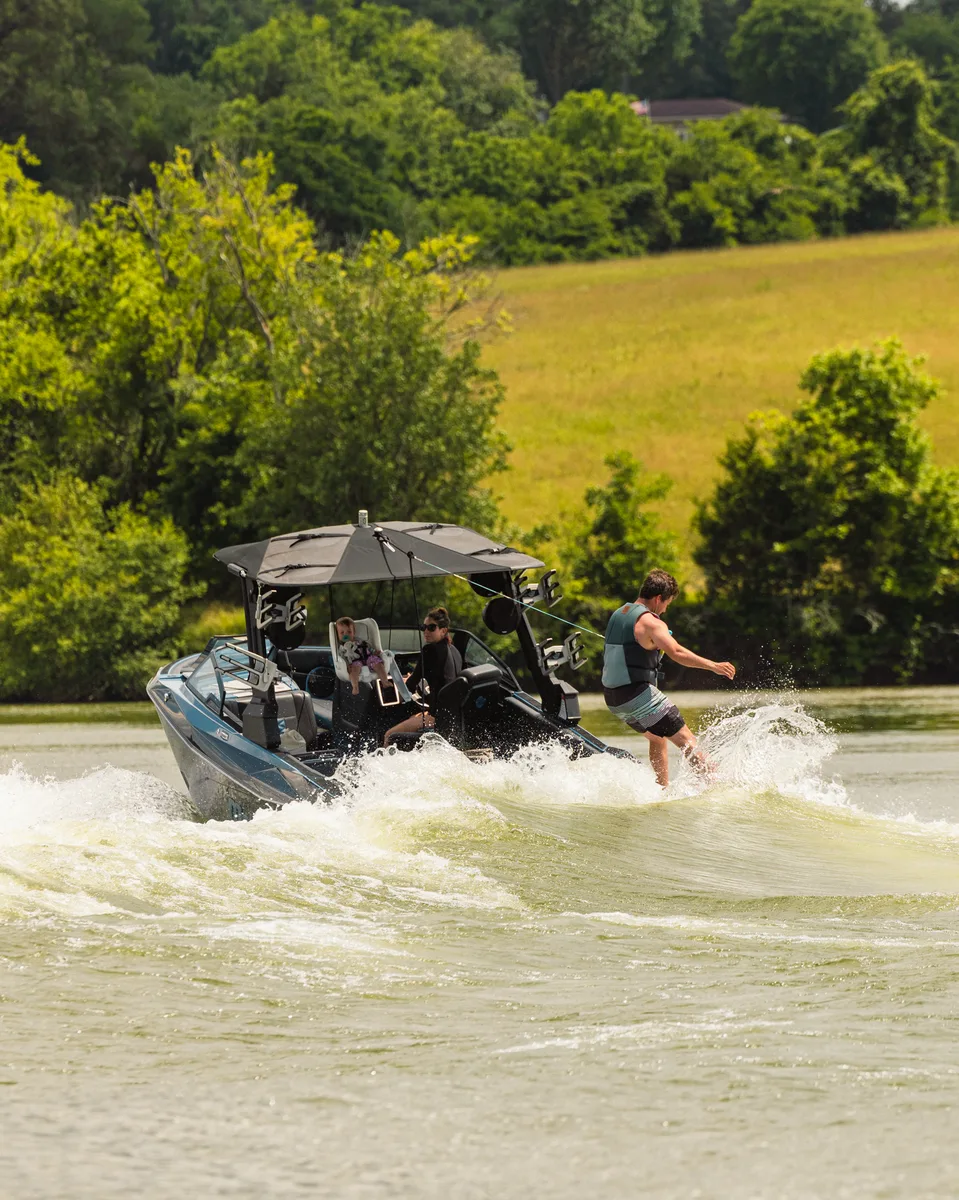
Active adults, boating enthusiasts, families who value outdoor play, and remote workers seeking scenic views all find lakefront social communities appealing. The degree of activity and socialization varies, so it’s important to match personal preferences with community culture—some neighborhoods emphasize quiet relaxation while others host frequent social events and group outings.
Popular Lakefront Areas Across Tennessee
Tennessee’s landscape includes numerous reservoirs and natural lakes with established communities around them. Each region presents a different flavor of lake living—ranging from pastoral hill country to more suburban settings close to cities like Nashville and Chattanooga.
East Tennessee Lakes
Main attractions in East Tennessee include lakes that sit amid rolling hills and forested ridges. These lakefront areas are known for scenic vistas and opportunities for hiking and wildlife observation in addition to water sports. Communities here often blend mountain charm with lake access.
Middle Tennessee Reservoirs
Middle Tennessee boasts large man-made reservoirs that host sprawling residential developments and extensive recreational infrastructure. Proximity to urban centers means easier commutes and access to cultural amenities while preserving a waterfront lifestyle. These communities frequently include marinas, golf courses, and vibrant social calendars.
West Tennessee Waterways
Lakes and larger waterways in West Tennessee offer a quieter, more agricultural backdrop, where lakefront neighborhoods may be smaller and more private. These areas attract those seeking solitude, fishing, and slower-paced living without sacrificing community connections.
Homes, Architecture, and Lot Considerations
Housing options in lakefront social communities range from modest cottages to expansive custom-built homes. Architectural styles can include modern farmhouse, Craftsman, contemporary, and traditional Southern vernacular. Lot sizes and orientations influence both privacy and views.
Waterfront vs. Nearwater Lots
Waterfront lots typically offer direct access to the lake—often with private docks—while nearwater lots provide lake views and shared access but may lack a private shoreline. Waterfront lots command a premium but provide unmatched convenience for boating and watersports.
Design Elements to Prioritize
Consider designs that maximize natural light and capture views: large windows, covered porches, and outdoor living areas extend usable space into the landscape. Durable materials and raised foundation designs help mitigate moisture issues and protect against occasional lake-level changes.
Amenities and Social Life
Amenities form the backbone of social life in lakefront communities. A well-rounded offering encourages neighbors to spend time together and supports a wide range of recreation, from low-key picnics to organized regattas or seasonal festivals.
Common Amenities
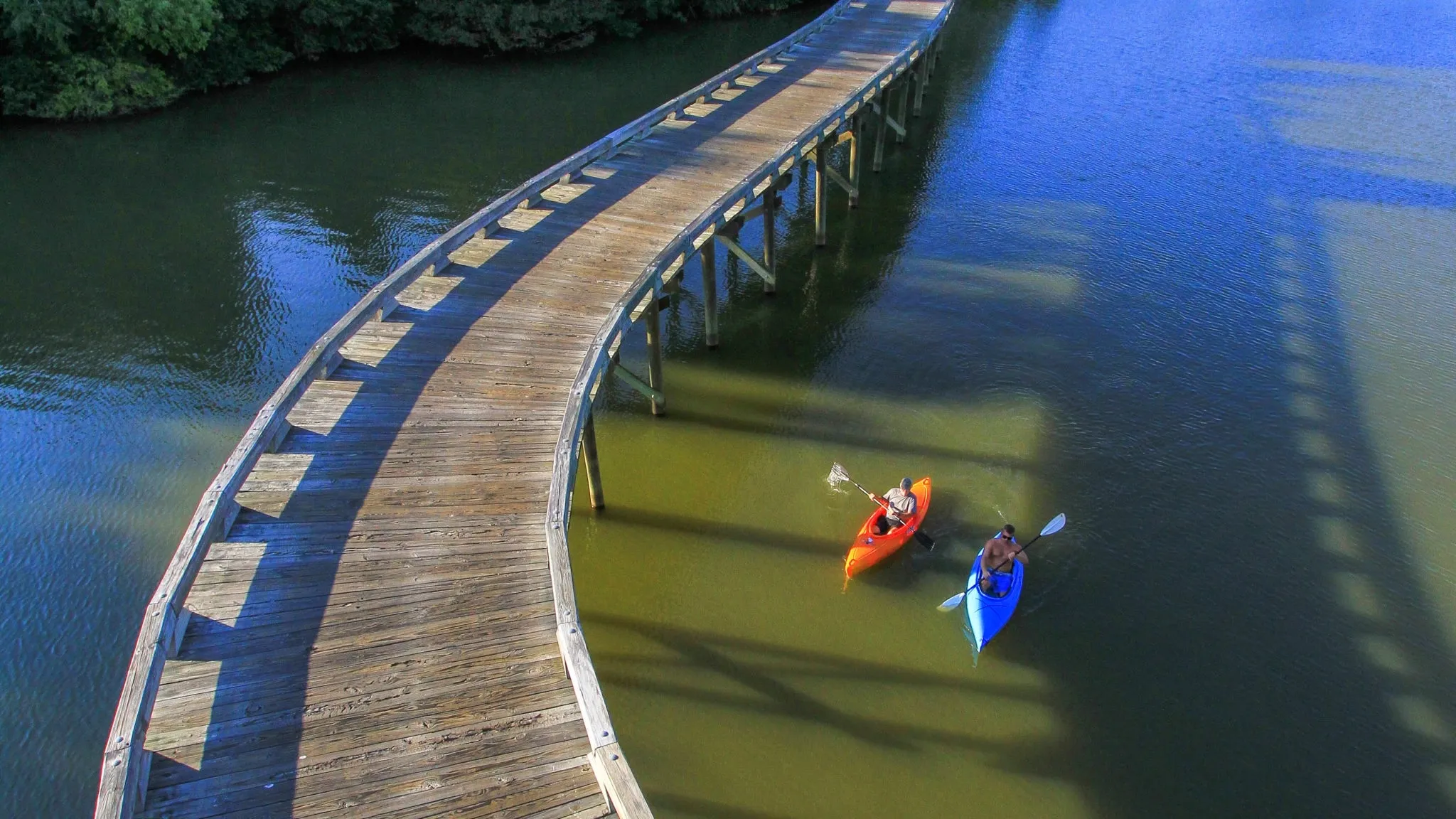
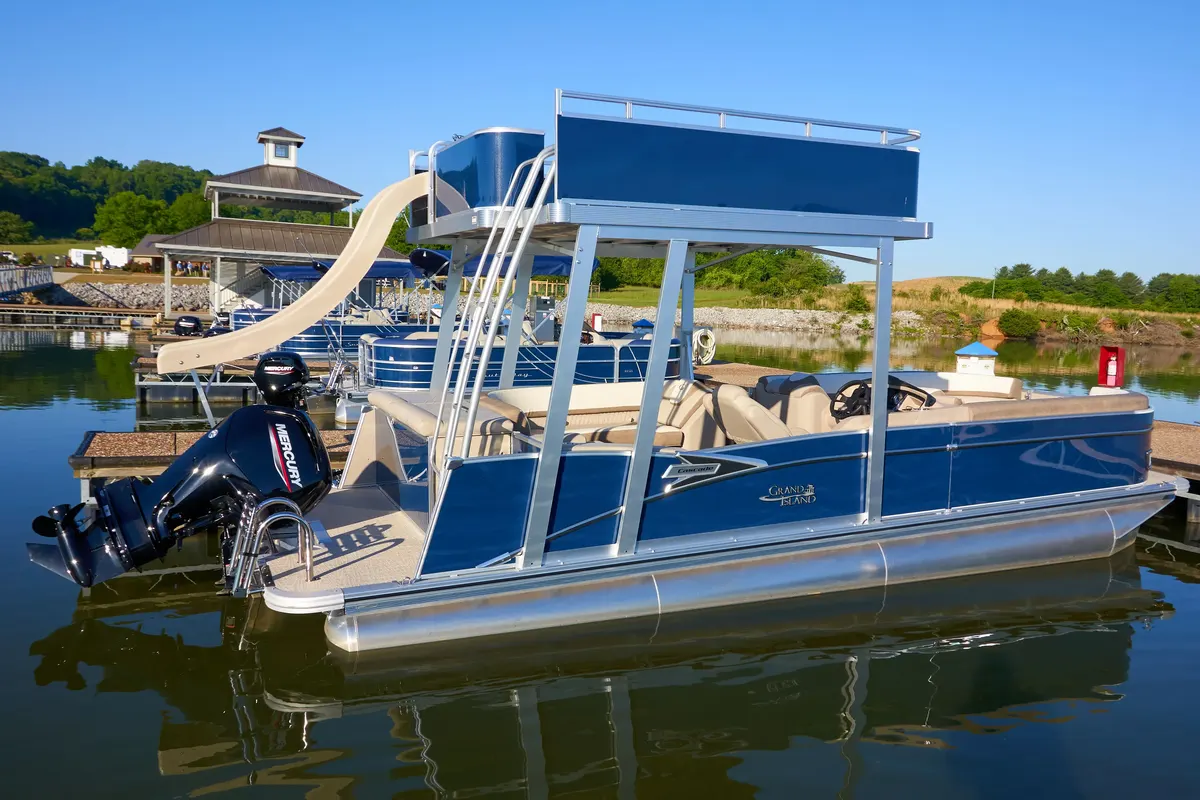
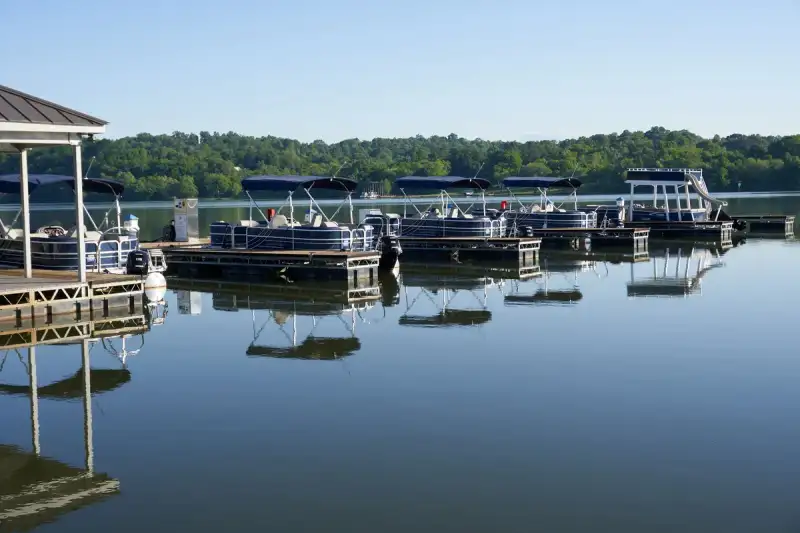
Typical shared facilities include marinas, boat slips, community docks, swimming beaches, playgrounds, tennis and pickleball courts, walking trails, and multi-purpose clubhouses. Some communities partner with local vendors to offer food trucks, seasonal markets, or fitness classes.
Events and Clubs
Community calendars often feature regular events like dock parties, fishing tournaments, book clubs, and holiday celebrations. These gatherings help newcomers integrate and create a rhythm of engagement for long-term residents. Volunteer-led committees usually handle social planning and welcome programs.
Practical Considerations Before Moving
Planning a move to a lakefront social community requires evaluating both lifestyle fit and long-term costs. While the appeal is strong, waterfront living brings unique responsibilities and potential expenses that should be understood ahead of time.
HOA Rules and Fees
Homeowners association rules govern everything from dock usage to exterior paint colors and can significantly affect daily life. Monthly or annual HOA fees fund maintenance of common areas, docks, and amenities; they should be examined closely for current amounts and historical increases.
Insurance and Flood Risk
Water proximity can mean higher insurance costs, particularly for flood or wind coverage. Research local flood maps and consult insurance professionals to estimate premiums and necessary endorsements. Elevation, shoreline protections, and the community’s water management practices influence risk levels.
Access and Seasonal Considerations
Some lake communities have seasonal water-level fluctuations that affect boating access and dock usability. Confirm marina operations and any seasonal restrictions, and check whether roads or driveways can be impacted by heavy rains or winter conditions.
Buying, Financing, and Working with Professionals
Approaching a purchase in a lakefront community benefits from specialized knowledge. Lenders, real estate agents, and inspectors familiar with waterfront properties help navigate appraisal nuances, permitting, and long-term maintenance expectations.
Finding the Right Agent
Work with a real estate agent who has experience in waterfront transactions and understands community governance structures. They can provide insight into lot history, easements, marina agreements, and any special assessments that may affect future costs.
Financing Challenges and Options
Financing waterfront properties might include higher down payments or stricter appraisal outcomes due to limited comparable sales. Conventional loans, jumbo mortgages, and portfolio lenders are common options. Buyers who plan to rent the property seasonally should disclose intended use, as it can affect loan qualification.
Inspections and Due Diligence
Comprehensive inspections should include structure, foundation, roof, and systems, as well as specific waterfront elements such as seawalls, bulkheads, and docks. Consider a soil test for erosion-prone areas and review any shared maintenance agreements for shoreline structures.
Maintenance, Safety, and Environmental Stewardship
Lakefront properties require ongoing maintenance and an awareness of environmental responsibilities. Proper stewardship preserves both property value and the health of the lake ecosystem that residents depend on for recreation.
Routine Maintenance Tasks
Expect routine upkeep of docks, bulkheads, and shoreline turf to prevent erosion. Exterior materials may need more frequent attention because of sun, humidity, and water exposure. Landscaping choices that favor native plants reduce maintenance and support habitat.
Water Safety and Boating Etiquette
Prioritizing safety is essential—properly marked swim areas, life jackets, and clear communication about boating speed limits help reduce accidents. Communities typically adopt boating guidelines and may enforce quiet hours or no-wake zones to protect swimmers and shoreline properties.
Protecting Lake Health
Measures to protect water quality include minimizing fertilizer use, controlling stormwater runoff, and supporting buffer strips of native vegetation along the shore. Participation in lake-association initiatives for invasive species monitoring and algae mitigation benefits everyone who uses the water.
Making the Most of Community Life
Lakefront social communities reward involvement. Active participation in committees, volunteering for events, and using shared spaces fosters friendships and helps shape the neighborhood’s character. Those who contribute to community life often enjoy stronger social ties and a greater sense of belonging.
Integrating into the Community
New residents can integrate quickly by attending welcome events, joining activity groups, and signing up for volunteer opportunities. Sharing expertise—whether in gardening, boating, or event planning—helps build mutual support networks and keeps the social calendar vibrant.
Balancing Privacy and Participation
Respecting others’ privacy while participating in community life is important. Choosing the level of engagement that matches personal rhythms ensures long-term satisfaction: active involvement for social butterflies, and selective participation for quieter households.
Is Lakefront Social Living Right for You?
Deciding whether to join a lakefront social community in Tennessee involves weighing lifestyle desires against practicalities. Consider how much time will be spent on the water, the type of social environment preferred, and comfort with the maintenance and costs associated with waterfront ownership.
For those seeking scenic views, organized social life, and easy access to outdoor recreation, lakefront communities can provide a rewarding and cohesive environment. Careful research, clear expectations, and a focus on stewardship will help ensure the choice enhances daily living for years to come.
Next Steps
Visit potential communities during different seasons to observe activity levels and amenity use, review HOA documents in detail, and consult with local professionals for a realistic view of ongoing costs. Taking these steps helps align expectations with the reality of lakefront living and supports a confident decision.
Lakefront social communities in Tennessee offer a distinctive blend of natural beauty and human connection. With thoughtful preparation and a commitment to environmental and neighborly stewardship, waterfront living can be both delightful and sustainable.
Discover Your Waterfront Lifestyle at Tennessee National
Ready to embrace lakefront social living with unmatched luxury and community amenities? Tennessee National offers an exceptional gated environment featuring a Greg Norman Signature Golf Course, private marina, waterfront dining, and over 20 exclusive member amenities. Whether you prefer a move-in ready home or a custom build, our scenic nature trails, vibrant social clubs, and full calendar of events provide the perfect backdrop for making lasting memories. [