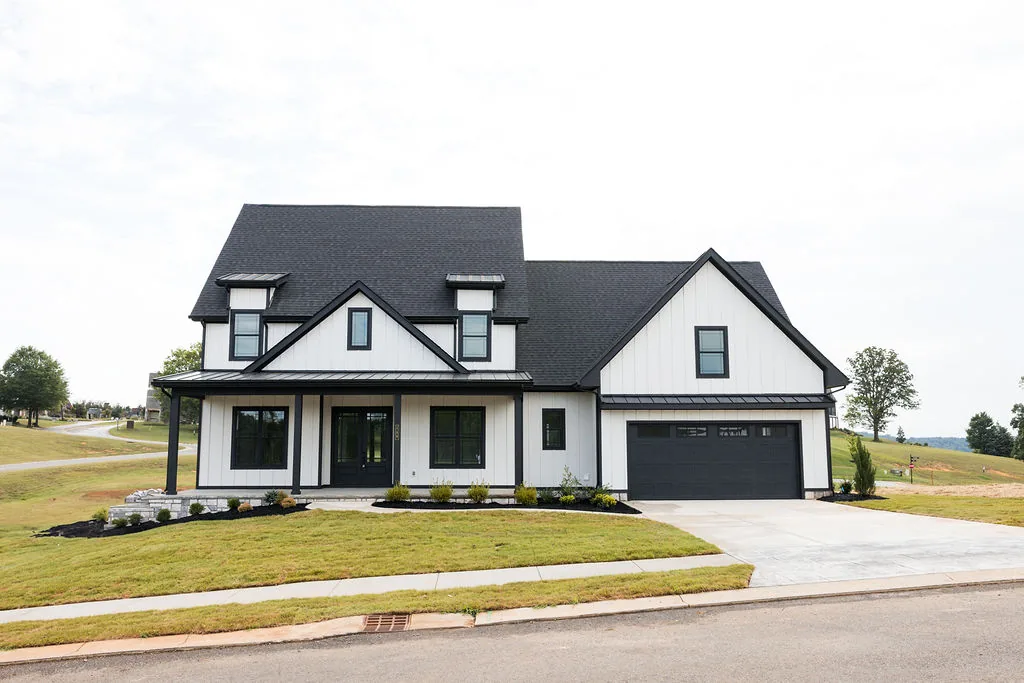

Investing in property that includes or sits next to nature trails combines financial objectives with lifestyle appeal. Whether seeking rental income, long-term appreciation, or a mix of both, properties with immediate access to green spaces offer a distinct set of advantages. This article explores why trails matter to tenants and buyers, the practical benefits for investors, and actionable tips for evaluating and acquiring such properties.
Why Nature Trails Increase Property Appeal
Nature trails provide immediate access to outdoor recreation, which is increasingly valued by renters and homeowners alike. Proximity to walking, hiking, biking, or jogging routes enhances daily life and supports fitness, mental health, and a deeper connection to the local environment. That lifestyle element translates into stronger demand across several buyer and renter demographics.
Young professionals, active retirees, families with children, and pet owners all prioritize outdoor access when choosing where to live. For many urban and suburban dwellers, a nearby trail is a rarity that offers the feel of a weekend getaway every day. This perceived upgrade in quality of life often nudges prospective residents toward properties that might otherwise sit in the same price bracket.
Renter and Buyer Preferences
Research and market behavior show that proximity to parks and trails boosts perceived property value. Renters tend to stay longer when their daily routine includes convenient outdoor options, reducing turnover costs. Buyers are willing to pay premiums for homes that promise scenic walks, safe routes for children, and areas for pets to roam. The margin can be especially noticeable when trails are well-maintained, safe, and integrated into a broader network of greenways.
Health and Community Benefits
Trails are not only attractive features; they contribute to healthier communities by encouraging regular physical activity. Besides the obvious fitness benefits, trail access fosters social interaction and strengthens neighborhood bonds. Events like group walks, volunteer clean-ups, and community runs create goodwill and a sense of belonging that raises local desirability and, by extension, property values.
Financial Upsides for Investors
Properties adjacent to nature trails can offer steady cash flow, increased appreciation potential, and differentiated marketing angles. The combination of rental demand and long-term desirability often translates into higher occupancy rates and lower marketing costs for property owners. These attributes make trail-adjacent real estate an appealing segment within a diversified investment portfolio.
Rent premiums are common for units with exceptional views or immediate trail access. Even small monthly increases compound over time, improving annual returns and yielding higher valuation multiples when it comes time to sell. In hot markets, the scarcity of true trail-front or trail-adjacent units can accelerate appreciation.
Lower Vacancy and Turnover
Longer tenant retention is a frequently overlooked financial advantage. When tenants value their location for lifestyle reasons, they are less likely to move for marginal incentives. Lower turnover reduces costs associated with cleaning, repairs, and marketing. For multi-unit properties, this stability translates to more predictable cash flows and easier property management.
Diverse Revenue Opportunities
In addition to traditional rent, properties near trails can unlock ancillary revenue streams. Short-term rentals targeted at outdoor enthusiasts, guided tour partnerships, equipment rental kiosks, or sponsored local events can add incremental income. These options allow investors to monetize the property’s unique location beyond standard leasing arrangements.
Risks and Considerations
Despite the many positives, trail-adjacent investments come with unique considerations. Noise, privacy, maintenance responsibilities, and regulatory constraints can affect both operating cost and tenant satisfaction. Understanding these factors upfront reduces surprises and helps craft a realistic investment plan.
Wildlife encounters, seasonal crowds, and increased foot traffic may be appealing to some renters while deterring others. Additionally, if the trail is part of a public park, changes in municipal policy or budget priorities could affect trail maintenance and safety, altering the property’s value proposition.
Security and Privacy
Properties that back onto or sit very close to trails may face privacy concerns. Effective landscaping, fencing, and design can mitigate these issues, but they require investment. Security considerations are also important—adequate lighting, surveillance cameras, and community watch programs help maintain tenant comfort and reduce liability.
Maintenance and Liability
Trails that require upkeep or are tied to the property through easements may create additional maintenance obligations. Liability exposure for accidents near private trail segments should be reviewed with insurance and legal advisors. For publicly maintained trails, the level of municipal commitment to upkeep can significantly affect the property’s attractiveness.
How to Evaluate a Property With Nature Trails
Thorough due diligence will separate a good opportunity from a risky purchase. Start with a site visit and use a checklist that covers access, visibility, condition of the trail, and surrounding land use. Inspect both the property and the trail at different times of day to assess noise, traffic patterns, and safety.
Beyond subjective impressions, obtain objective data: local rental rates for comparable units, historical occupancy statistics, crime data, and any planned developments in the area. Understanding the municipal master plan and zoning regulations is especially important where trails intersect public land, conservation areas, or future infrastructure projects.
Trail Type and Quality
Different trails attract different users. A paved multi-use path connecting neighborhoods can imply higher daily usage and appeal to commuters. A narrow dirt hiking trail in a more secluded natural reserve might attract weekend hikers and offer a quieter environment. Evaluate trail quality—surface, signage, lighting, and connections to other amenities—to align expectations with target renters or buyers.
Connectivity and Access
Connectivity matters. Trails that link to retail centers, schools, transit hubs, or other neighborhoods increase practical value. Check for parking availability, safe crossings, and ADA accessibility. Easy trail access from the property—via short, well-lit paths or direct entrances—enhances convenience and can justify higher pricing.
Buying Tips Specific to Trail-Adjacent Properties
Securing a property near nature trails requires a mix of real estate acumen and local knowledge. The following tips help optimize decision-making, negotiation, and post-purchase management.
Work With Local Experts
Engage agents, property managers, and planners who understand both the local market and the nuances of properties near public spaces. Local knowledge about seasonal trail usage, municipal maintenance schedules, and community sentiment toward the trail can influence bidding strategy and operational planning.
Inspect at Different Times
Visit mornings, evenings, weekdays, and weekends to get a full picture of trail activity. High usage at certain times can mean noise and privacy impacts, while low visibility in the evenings could signal safety concerns. Observing patterns helps set realistic expectations about tenant preferences and needed investments in security or sound mitigation.
Understand Legal Encumbrances
Review easements, right-of-way agreements, and any conservation restrictions. A trail easement can limit certain types of development or require access from the property owner. Confirm that property boundaries are clearly defined and that there are no unresolved disputes about access or maintenance responsibilities.
Factor in Landscaping and Privacy Costs
Budget for landscaping that balances aesthetic appeal with privacy. Native plantings, berms, and well-placed fencing can create a buffer between the property and the trail without appearing fortress-like. These investments enhance marketability and tenant satisfaction while protecting long-term value.
Position the Marketing Message
Highlight lifestyle benefits in listings while being transparent about trail proximity. Use high-quality photos of trail views, nearby amenities, and local wildlife. For rental properties, emphasize connectivity—commutes, recreational options, and family-friendly features. For sales, position the trail as a premium amenity that elevates daily life.
Management and Enhancement Strategies
After acquisition, proactive management ensures the trail remains an asset rather than a liability. Regular maintenance of property boundaries, thoughtful tenant screening, and community engagement help preserve the positive relationship between the property and the trail.
Tenant education about trail etiquette, noise expectations, and shared spaces can reduce conflicts. Hosting or supporting community trail events builds goodwill and increases visibility. For larger properties, collaborating with local parks departments on trail improvements can be a smart investment in long-term demand.
Safety and Accessibility Improvements
Investments in lighting, clear signage, and maintained walkways will be appreciated by tenants and can lower perceived risk. Ensure entrances are accessible and visible, and consider partnerships for shuttle services or bike-share programs if the trail extends into key local destinations.
Seasonal Preparedness
Plan for seasonal variations in trail use and maintenance. Snow removal, leaf clearing, and erosion control are practical considerations that affect usability and aesthetics. Preparing in advance reduces emergency repair costs and keeps the area attractive year-round.
Case Examples of Smart Trail-Adjacent Investments
Several archetypal scenarios demonstrate how trail proximity can be leveraged for returns. A small multi-family building next to a paved greenway often commands stable long-term renters like professionals and small families. A single-family home bordering a scenic hiking trail may attract buyers seeking weekend privacy and resale appeal tied to the natural setting.
In suburban areas, proximity to a trail that connects to schools and shopping can create everyday convenience that appeals to families. In urban contexts, a trail or riverwalk that leads to dining and entertainment areas can drive both short-term rental demand and premium prices for long-term tenants and buyers.
Conclusion: Balancing Lifestyle and Returns
Investment properties near nature trails offer a compelling blend of lifestyle appeal and financial opportunity. The unique advantages—higher demand, potential rent premiums, and long-term appreciation—are balanced by considerations like privacy, maintenance, and legal encumbrances. With careful due diligence, local expertise, and thoughtful management, trail-adjacent real estate can become a durable and attractive component of an investment strategy.
Selecting the right property starts with understanding the type of trail, the needs of target renters or buyers, and the regulatory environment. When those elements align, a property with nature trails can deliver both solid returns and a meaningful lifestyle advantage that resonates with today’s market.
Discover Trail-Adjacent Luxury Living at Tennessee National
Embrace the perfect blend of nature and luxury at Tennessee National, where scenic nature trails complement a premier gated community lifestyle. From a Greg Norman Signature Golf Course to a private marina and over 20 member amenities, every day offers new opportunities for outdoor adventure and comfort. Whether you seek a move-in ready home or a custom build,