
Choosing an investment property designed for active adults — typically those aged 55 and older who want to stay engaged, healthy, and social — requires a different approach than buying a standard rental or a luxury condo. This guide covers everything from market selection and property type to amenities, financing, and management strategies. The goal is to create steady income while meeting the lifestyle expectations of a demographic that values convenience, community, and opportunities for recreation.
Understanding the Active Adult Market
The active adult demographic is diverse: many are retired, but a significant portion are still working part-time or pursuing second careers. They prioritize walkability, access to healthcare, social programming, and low-maintenance living. Properties marketed to this group often emphasize wellness amenities such as fitness centers, clubs, arts and educational programming, and outdoor spaces like walking trails and pickleball courts.
Investors should note the distinction between active adult communities and traditional senior living. Active adult communities generally do not provide assisted living or skilled nursing services. Instead, they cater to independent living with age-restrictions and lifestyle-focused amenities. Understanding that distinction helps avoid legal or operational missteps when positioning a property and setting expectations for tenants.
Moreover, the active adult market tends to value technology integration that enhances convenience and connectivity. Features like smart home systems, high-speed internet, and telehealth capabilities are increasingly important as this demographic embraces digital tools to stay connected with family and manage their health. This trend also influences marketing strategies, where digital outreach and virtual tours can be effective in engaging prospective residents.
Location plays a crucial role as well. Active adults often seek communities within close proximity to cultural centers, shopping districts, and medical facilities, allowing them to enjoy an enriched lifestyle without sacrificing accessibility. Additionally, many look for environments that foster social engagement and community involvement, so developers and managers are focusing on creating vibrant, inclusive atmospheres through community events, volunteer opportunities, and interest-based groups.
Choosing the Right Property Type
Single-Family Homes in 55+ Neighborhoods
Single-family homes located within age-restricted subdivisions can be attractive for investors seeking long-term tenants who value privacy and space. These properties often appeal to downsizers who want to maintain a home-like environment without the upkeep of large yards. Rents may be slightly higher than comparable non-age-restricted markets because of the specialty appeal, but turnover tends to be lower when communities foster a strong sense of belonging.
Condominiums and Townhomes with Amenities
Condos and townhomes in planned communities are particularly appealing due to shared amenities and low-maintenance living. When evaluating these properties, examine homeowners association (HOA) rules and financial health. High HOA fees can erode rental yields, but robust reserves and well-managed associations often indicate stable, attractive environments that reduce management headaches and preserve property values.
Active Adult Apartment Complexes
Purpose-built active adult apartment complexes are designed to offer rental flexibility and comprehensive on-site amenities. They can command premium rents if they deliver a clear lifestyle proposition, such as programming, transportation, and wellness services. For investors, these complexes present an opportunity for scale but require competent management teams to curate resident experience and maintain a steady pipeline of new tenants.
Market Selection and Neighborhood Factors
Choosing the right market is critical. Factors like local population trends for the 55+ age group, climate preferences, healthcare access, and tax environment all influence demand. Retirees often migrate to warmer climates, but many prefer proximity to family, which keeps demand strong in suburban markets within reasonable driving distance of metropolitan centers.
Neighborhood walkability, access to public transportation, nearby retail and dining options, and the presence of medical facilities contribute to long-term desirability. A property adjacent to community centers, libraries, or parks can be more appealing than an isolated development. Evaluate planned public investments or infrastructure projects that may improve livability and property values over time.
Assessing Amenities and Services
Amenity selection should reflect the lifestyle of active adults: fitness spaces, hobby studios, social rooms, and safe walking paths top the list. On-site event programming, classes, and clubs foster community and increase retention. For rental properties, offering optional bundled services like housekeeping, transportation shuttles, or concierge services can create additional revenue streams and differentiate the property.
Security and accessibility are also crucial. Features like well-lit common areas, secure entry systems, elevators, and accessible unit layouts (no-step entries, walk-in showers, wider doorways) enhance safety and appeal. These elements reduce the risk of injury and can extend the length of tenancy, which helps stabilize income.
Financial Analysis and Pricing Strategy
Estimating Rental Income
Calculate potential rental income by surveying comparable active adult properties and factoring in premium amenity-driven rents. Vacancy assumptions should be conservative: aim for a buffer above historical local vacancy rates in case of market shifts. Consider offering tiered pricing for units with different views, finishes, or service bundles to maximize yield across a property.
Operating Expenses and HOA Fees
Active adult properties often come with higher maintenance expectations and HOA fees, especially in well-appointed communities. Budget for amenities operations, programming costs, and property management fees. When an HOA is involved, review historical dues increases, reserve studies, and special assessment histories to avoid surprises. These costs directly impact net operating income and return on investment.
Financing Options and Incentives
Financing choices include conventional loans, portfolio lenders who understand niche demographics, and government-backed programs when applicable. Some lenders may require lower loan-to-value ratios for age-restricted properties due to perceived market risks. Investigate local tax incentives for senior housing developments or adaptive reuse projects, as municipalities sometimes offer benefits to attract age-friendly housing.
Design and Unit Layout Considerations
Unit layouts that prioritize comfortable, single-level living with modern finishes tend to perform well. Open-concept kitchens, single-floor living, and flexible rooms that can serve as a home office or hobby space align with active adults’ needs. Thoughtful storage solutions and in-unit laundry are also highly valued features that can justify higher rent or sale prices.
Universal design principles—non-slip flooring, lever handles, adequate lighting, and zero-step entries—enhance accessibility without compromising aesthetics. Incorporating these features during renovation is often more cost-effective than retrofitting later, and they broaden the market appeal to aging tenants who plan to remain in place for many years.
Marketing to Active Adults
Effective marketing emphasizes lifestyle, safety, and convenience rather than the age of residents. Use imagery that shows active engagement—fitness classes, social gatherings, gardening, and walking clubs. Highlight proximity to healthcare, shops, and transit, and provide clear details about on-site programming and services. Testimonials from residents can be powerful, but ensure compliance with fair housing laws and avoid language that discriminates or stereotypes.
Digital marketing should include easy-to-navigate websites with virtual tours and clear floor plans. Many active adults are tech-savvy and appreciate the convenience of online applications, rent payment options, and resident portals. However, maintain alternative contact methods, like phone support and printed brochures, because some prospective residents prefer traditional communication channels.
Property Management: Balancing Service and Efficiency
Management is central to success. An on-site team experienced with this demographic can significantly improve resident retention by offering responsive maintenance, organized programming, and empathetic customer service. Training staff to understand the needs of older adults—privacy, steady communication, and timely repairs—creates trust and reduces turnover.
Outsource or partner for specialized services when needed. Wellness program providers, transportation services, and medical alert partnerships can add value without requiring heavy operational overhead. Use technology to streamline operations: scheduling platforms for activities, maintenance request tracking, and automated billing help maintain a high level of service efficiently.
Legal and Regulatory Considerations
Age-restricted communities must comply with federal and state fair housing laws, including the Housing for Older Persons Act (HOPA) if claiming an exemption from familial status protections. Verify that the property meets the legal age distribution and occupancy requirements, and maintain documentation demonstrating intent to remain age-restricted. Consult housing attorneys to structure leases and community rules in compliance with local regulations.
Accessibility standards and local building codes could apply, especially when renovating. Ensure compliance with the Americans with Disabilities Act (ADA) where applicable to common areas, and consider local incentives for adding accessibility features. Insurance coverage should be reviewed and adjusted for community programming, amenity operations, and potential liability associated with on-site activities.
Exit Strategies and Long-Term Considerations
Have clear exit strategies. Options include selling to another investor, converting units to for-sale condos, or repositioning the property for a different demographic if market conditions change. Assess how amenity-heavy investments will age — some features may require significant reinvestment after a decade. Maintain capital reserves to handle deferred maintenance and amenity refreshes that keep the property competitive.
Monitor demographic trends and local economic factors regularly. An area that gains steady healthcare jobs, cultural amenities, and transportation improvements will likely sustain demand for active adult housing. Conversely, declining local economies or oversupply of similar product types can compress rents and lengthen vacancy periods.
Checklist for a Successful Purchase
Before closing, confirm these key items: a detailed rent and expense projection, a robust HOA/management review, evidence of market demand for active adult housing in the area, inspection reports that consider accessibility needs, and financing that reflects the property’s age-restricted status. Also, have a marketing and management plan ready to implement immediately to minimize initial vacancy.
Partnering with professionals who understand the active adult segment — brokers, property managers, and attorneys — mitigates many common pitfalls. With thoughtful market selection, amenity planning, and resident-centric operations, investment properties for active adults can offer stable cash flow, attractive returns, and the satisfaction of providing desirable housing for a growing demographic.
Discover Your Ideal Active Adult Investment Opportunity at Tennessee National
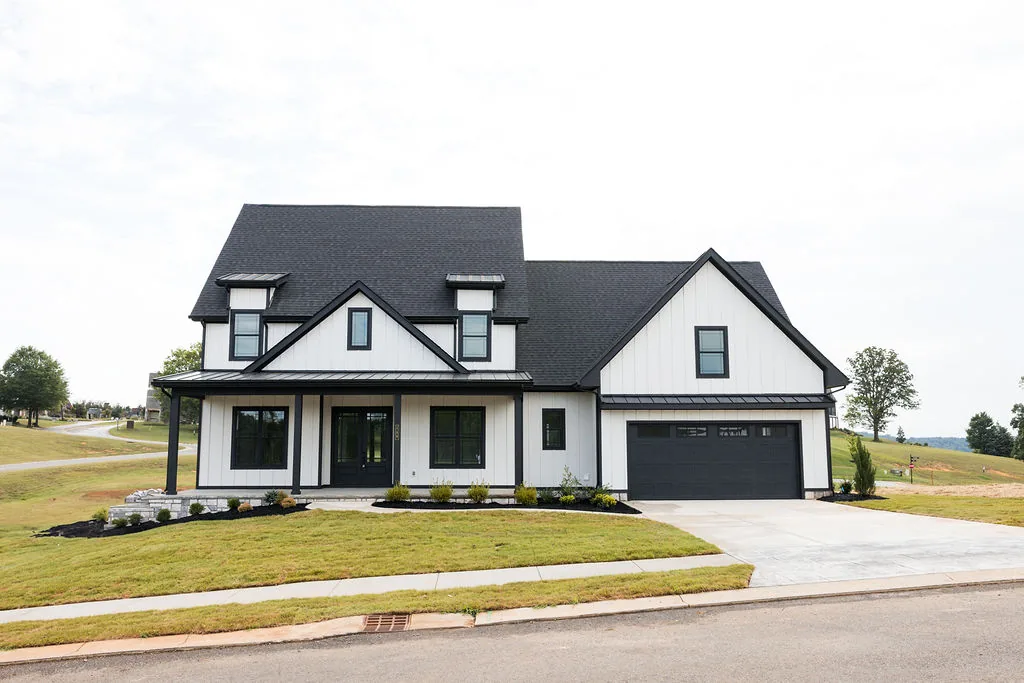
Ready to explore an exceptional community that perfectly aligns with the active adult lifestyle? Tennessee National offers a unique investment opportunity within a luxury gated setting featuring a Greg Norman Signature Golf Course, private marina, and extensive amenities designed for comfort, wellness, and social engagement. Whether you’re interested in a move-in ready home or a custom build, our vibrant community supports both residents and investors seeking stable, long-term value. Schedule your private tour today and see firsthand how Tennessee National can elevate your active adult investment portfolio.