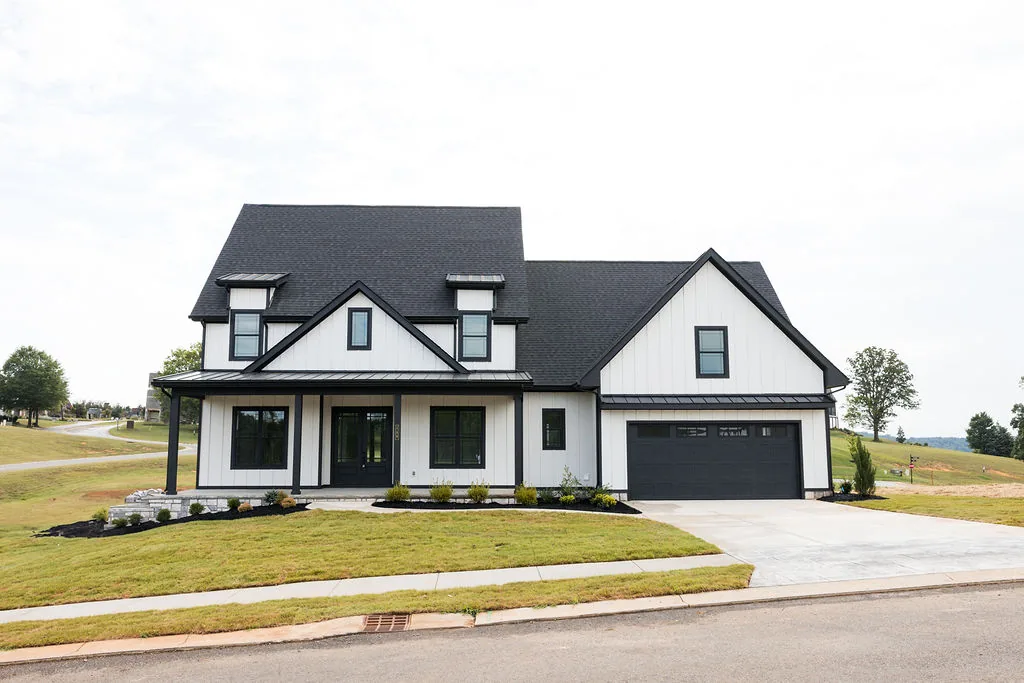
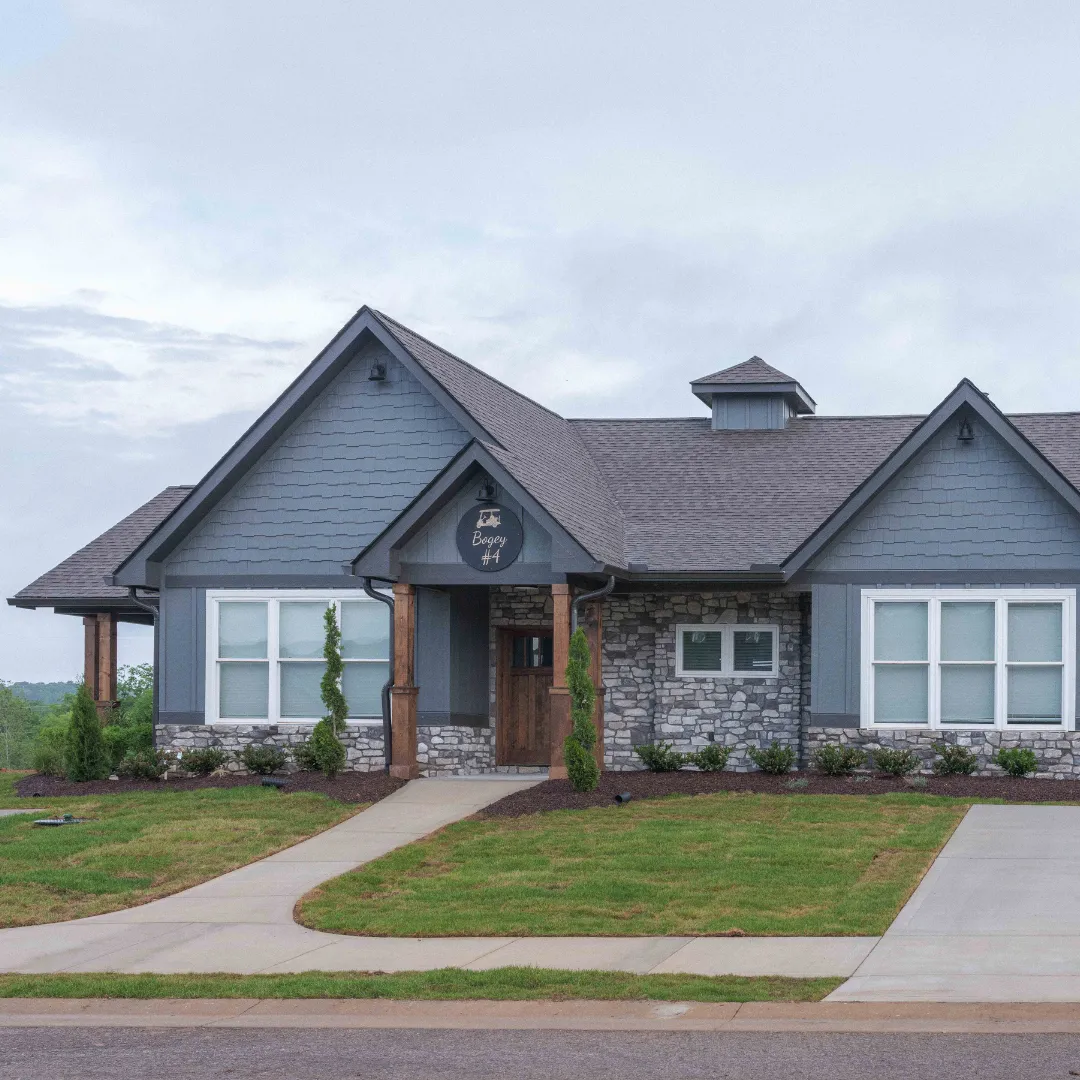
The area surrounding Tennessee National draws buyers who want a mix of scenic golf-course living, convenient commutes, and a variety of housing options. Whether searching for a move-in-ready condo, a custom-built estate, or a modest single-family home, this guide covers current market trends, typical price points, neighborhood vibes, and practical tips for buyers considering properties near the club.
Quick Snapshot: What Makes the Area Around Tennessee National Appealing
Properties around Tennessee National often offer generous lot sizes, mature tree cover, and views that include fairways and water features. Proximity to the golf course is a major draw, but many buyers also appreciate the nearby shopping, schools, and access to regional highways that connect to larger employment centers.
The housing stock tends to be varied: well-maintained older homes, newer construction in planned communities, and a handful of luxury estates. Communities near the course often emphasize outdoor living with patios, screened porches, and landscaped yards suitable for entertaining and relaxation.
In addition to the golf amenities, the area benefits from an active community calendar featuring seasonal festivals, farmers’ markets, and local arts events, which foster a strong sense of neighborliness and cultural engagement. Outdoor enthusiasts also enjoy nearby hiking and biking trails, as well as several community parks that encourage an active lifestyle and family-friendly gatherings year-round.
Transportation options are notably convenient, with easy access to public transit stops as well as major roads that facilitate commuting to nearby cities and the greater metropolitan region. This blend of suburban tranquility and urban accessibility makes Tennessee National’s surroundings uniquely versatile for a diverse range of lifestyles and preferences.
Buyer Types That Are Drawn Here
Empty nesters and retirees often favor the quieter, amenity-rich sections with low-maintenance yards. Golf enthusiasts are naturally attracted to fairway-front and clubhouse-adjacent units. Families balance access to good schools and parks with the recreational opportunities on and off the course. Investors sometimes look for rental opportunities in single-family homes or smaller attached units that appeal to seasonal players or corporate renters.
Current Listings and Typical Price Ranges
Active listings around Tennessee National fluctuate with season and broader market conditions, but several price bands consistently appear:
- Entry-level homes, including small single-family houses and two-bedroom condos, frequently list from the mid $200,000s to the high $300,000s. These options suit first-time buyers or those seeking downsized living with a lower maintenance footprint.
- Mid-range single-family homes and updated townhomes commonly fall between $400,000 and $700,000. Houses in this bracket often include three to four bedrooms, two to three bathrooms, and modern kitchens or recent renovations.
- Upper-tier properties and custom-built estates—especially those with direct golf-course frontage or large acreage—can range from roughly $700,000 into the low millions. These properties typically include higher-end finishes, elaborate landscaping, and private outdoor amenities like pools or outdoor kitchens.
In addition to these price tiers, some unique properties like historical homes or those featuring eco-friendly designs occasionally emerge within the market, appealing to niche buyers looking for character or sustainability. Buyers interested in gated communities or properties with enhanced security features may also find options at a slight premium due to added privacy and exclusivity.
It’s also worth noting that seasonal trends, such as spring and early summer, often see a surge in new listings as sellers capitalize on peak buyer traffic. Conversely, winter months might bring fewer listings but sometimes better bargains for those willing to navigate the quieter market.
How Pricing Trends Look Right Now
Price momentum depends on inventory and buyer demand. When inventory tightens, typical for desirable golf-course communities, competition can push prices upward and reduce days on market. Conversely, more listings and fewer competing buyers can create better negotiating conditions. Buyers should monitor price-per-square-foot benchmarks for comparable properties in adjacent neighborhoods to spot over- or under-priced listings.
Local economic factors—such as employment rates, new infrastructure projects, and community amenities—also influence pricing dynamics. For example, announcements of new schools or commercial developments nearby can increase desirability and chance of price appreciation. Additionally, fluctuations in interest rates have a direct impact on buyer affordability, often causing shifts in market activity and pricing pace within the Tennessee National area.
Neighborhood Guide: Where to Look
Neighborhoods near Tennessee National vary from tightly knit, homeowner-association-backed developments to more rural, spread-out tracts. The following profiles highlight common neighborhood characters to help match preferences with lifestyle needs.
Gated and Planned Communities
These neighborhoods often present cohesive architectural styles, maintained common areas, and shared amenities such as community pools, walking trails, and fitness centers. HOA dues fund landscaping, common-area maintenance, and sometimes security, providing a more managed living experience. For buyers seeking convenience and regular upkeep, this neighborhood type is attractive.
Homes in these areas are frequently newer or have been built with cohesion in mind, meaning curb appeal tends to be consistent and property standards are enforced. This can preserve property values but also means HOA rules should be reviewed before purchase.
Golf-Course Frontage and Fairway Views
Homes directly facing the course enjoy scenic vistas and, in many cases, premium lot placement. These properties often command a price premium, especially when lots back to long par fairways or contain water features. Advantages include tranquil views and immediate access to walking paths and course amenities.
Potential drawbacks include occasional golf-ball intrusions and the need to verify any easements or maintenance responsibilities that affect the rear of the property. Buyers should check setback regulations and any restrictions related to yard changes or exterior modifications.
Established Subdivisions and Family-Friendly Streets
Older subdivisions typically feature larger trees and a more established community feel. Streets are often calm and lined with sidewalks or bike paths, which appeals to families with children and those who appreciate a neighborhood atmosphere. Schools, small parks, and local convenience stores are common conveniences within a short drive.
While some older homes might need modernization, they often sit on larger lots and can be appealing for buyers who value outdoor space or want to renovate. It’s wise to inspect major systems like roofing, HVAC, and windows when looking at an older property.
Practical Tips for Buyers Near Tennessee National
Buying near a golf course brings specific considerations beyond typical home purchase steps. Several practical tips can help navigate the process efficiently and avoid surprises after closing.
Check Easements and Setbacks
Properties adjacent to golf courses may have easements for maintenance or pathways used by the club. Confirm the exact boundaries and any restrictions on landscaping, fencing, or building additions. Setback requirements can affect plans for pools, decks, or significant yard renovations.
Insurance Considerations
Standard homeowners’ insurance typically covers common risks, but proximity to water features and open fairways can influence rates. For homes at higher price points or with custom features, consider a comprehensive policy and discuss options for golf-related liability coverage if hosting events that invite public access near the course.
Understand HOA Rules and Fees
HOA documents contain the rules that govern community aesthetics, parking, pet ownership, exterior modifications, and maintenance obligations. Fees cover shared amenities and must be factored into the total monthly housing cost. Review financial statements and covenants to ensure the HOA is stable and not planning large assessments that could impact affordability.
Buying Strategy and Negotiation Tips
Competitive neighborhoods require a strategic approach. Thoughtful preparation and informed negotiation increase the likelihood of securing a desirable property without overpaying.
Get Preapproved and Know Your Budget
Securing mortgage preapproval strengthens an offer and clarifies purchasing power. Include HOA dues, property taxes, expected maintenance costs, and insurance estimates when calculating a comfortable budget. Cash buyers or those with few contingencies have more leverage in tight markets.
Assess Comparable Sales and Days on Market
Comparables offer insight into realistic offer levels. Look at recent sales within a similar radius, accounting for lot size, condition, and course proximity. Days on market help indicate whether the listing price aligns with buyer demand; long market times can signal overpricing or issues that require inspection and investigation.
Inspect Thoroughly and Budget for Updates
Older homes often reveal needs such as updated electrical panels, HVAC replacement, or roof repairs. Even newer homes can carry hidden warranty issues. A comprehensive inspection protects against unexpected costs and gives leverage in negotiations if repairs are needed. Allocate part of the purchase budget for immediate updates or landscaping to personalize the property.
Lifestyle and Community Amenities
Living near Tennessee National provides a lifestyle that’s as much about access to leisure as it is about the home itself. Community amenities shape daily routines and social opportunities for residents.
Golf and Recreation
Aside from golf, many communities emphasize outdoor activities like walking trails, tennis courts, and community pools. Social clubs and on-course events often foster a strong sense of community among residents. For active buyers, easy access to these amenities enhances quality of life and offers avenues for meeting neighbors.
Dining, Shopping, and Local Services
Nearby commercial corridors cater to daily needs with grocery stores, coffee shops, and specialty retailers. Dining choices range from casual neighborhood eateries to more upscale restaurants suitable for entertaining guests. Close proximity to services like dry cleaning, pharmacies, and medical clinics adds convenience to daily living.
Commute and Regional Access
Commuting distances to major employment centers vary by neighborhood, but a number of roads and highways offer direct routes. For those who travel frequently, proximity to regional airports and efficient highway access are important considerations. Traffic patterns at peak hours should be checked to ensure the daily commute aligns with expectations.
Final Considerations Before Making an Offer
Due diligence, local market knowledge, and realistic budgeting combine to produce confident buying decisions. A clear understanding of long-term goals—whether it’s resale value, rental potential, or a forever home—will help prioritize features and neighborhoods.
When weighing offers, consider both immediate lifestyle benefits and future appreciation potential. Properties that balance strong location fundamentals with quality construction typically perform well over time. For buyers looking at Tennessee National-area homes, aligning lifestyle priorities with practical financial planning will result in a more satisfying purchase and a smoother transition into the community.