Choosing the right retirement lifestyle means more than picking a location or downsizing possessions. For many, combining an active social life with gentle daily exercise and scenic surroundings creates the ideal next chapter. Golf lifestyle communities answer that desire by offering well-maintained courses, social clubs, low-maintenance homes, and amenities designed to elevate everyday living. This guide explores what those communities offer, how to evaluate them, and how to transition smoothly into a fulfilling retirement centered around golf.
What Is a Golf Lifestyle Community?
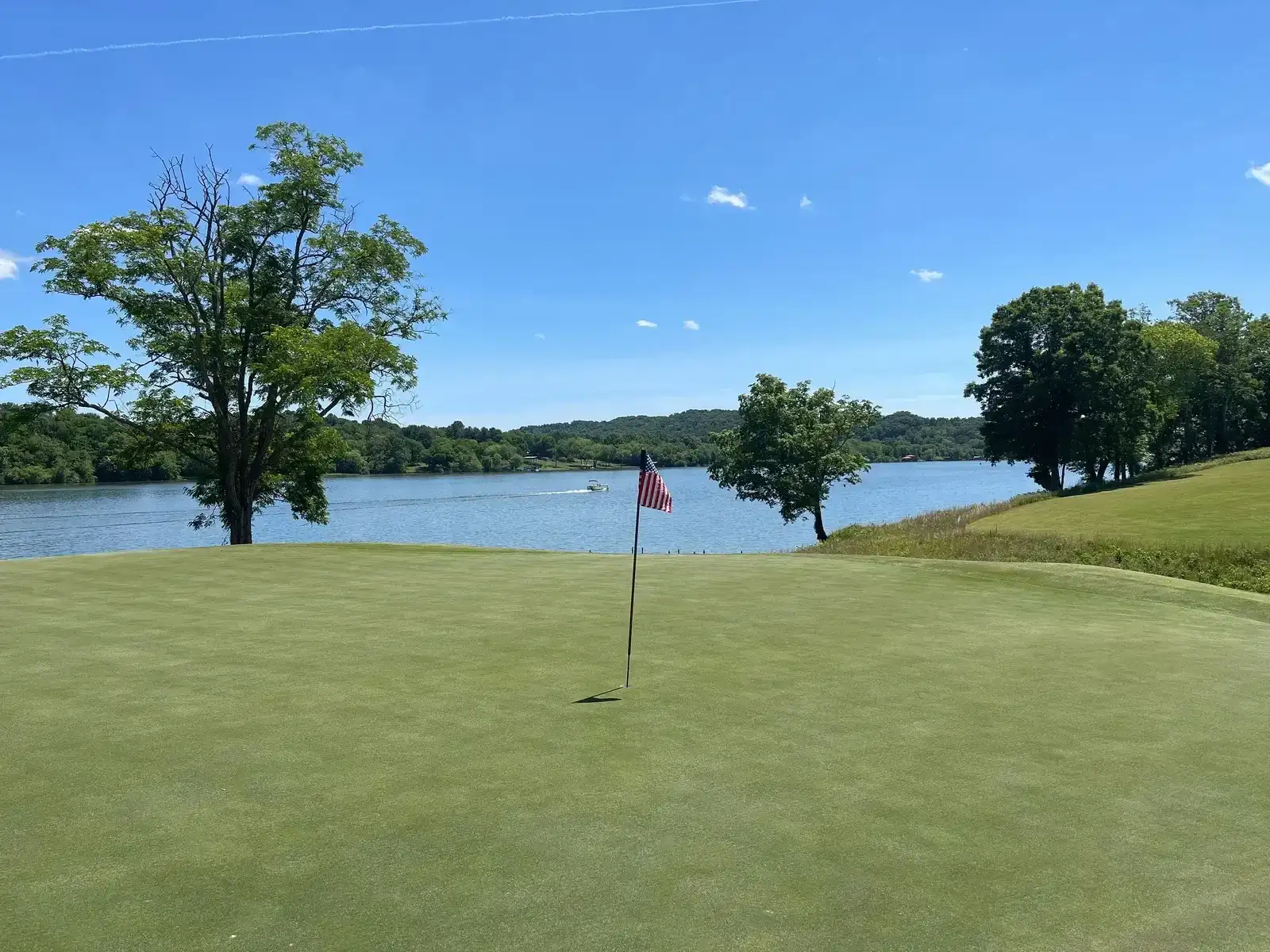
Golf lifestyle communities are residential developments built around one or more golf courses, where the course is a central feature rather than an afterthought. These communities typically include homes, condominiums, or villas with access to private or semi-private courses, practice facilities, and a variety of social amenities designed to foster an active lifestyle.
Residents often enjoy a sense of community through organized events, clubs, and casual interactions on the course. The emphasis is on lifestyle rather than competitive sport, making these communities attractive to retirees who want regular movement, social engagement, and beautiful green spaces without the maintenance burden of large properties.
Moreover, many golf lifestyle communities prioritize environmental sustainability and incorporate thoughtfully designed landscaping that preserves natural habitats and enhances local biodiversity. This commitment not only creates a visually stunning environment but also promotes a healthier living atmosphere for residents. Seasonal events, from golf tournaments to community barbecues and wellness workshops, add vibrant rhythms to daily life, encouraging residents to connect beyond the fairways.
Technology integration is also becoming increasingly important in these communities. Smart home features, app-based community management, and tee-time booking systems streamline residents’ experiences, making it easier to engage with both golf and social activities. This seamless combination of tradition and innovation helps foster a dynamic, connected community atmosphere.
Types of Golf Communities
There are a few common models: private country clubs with gated homes, golf course developments with public or member-accessible courses, age-restricted 55+ communities that incorporate golf into an overall active living plan, and resort-style communities that focus on luxury amenities alongside the course. Each type offers different levels of exclusivity, cost, and access.
Typical Amenities Beyond Golf
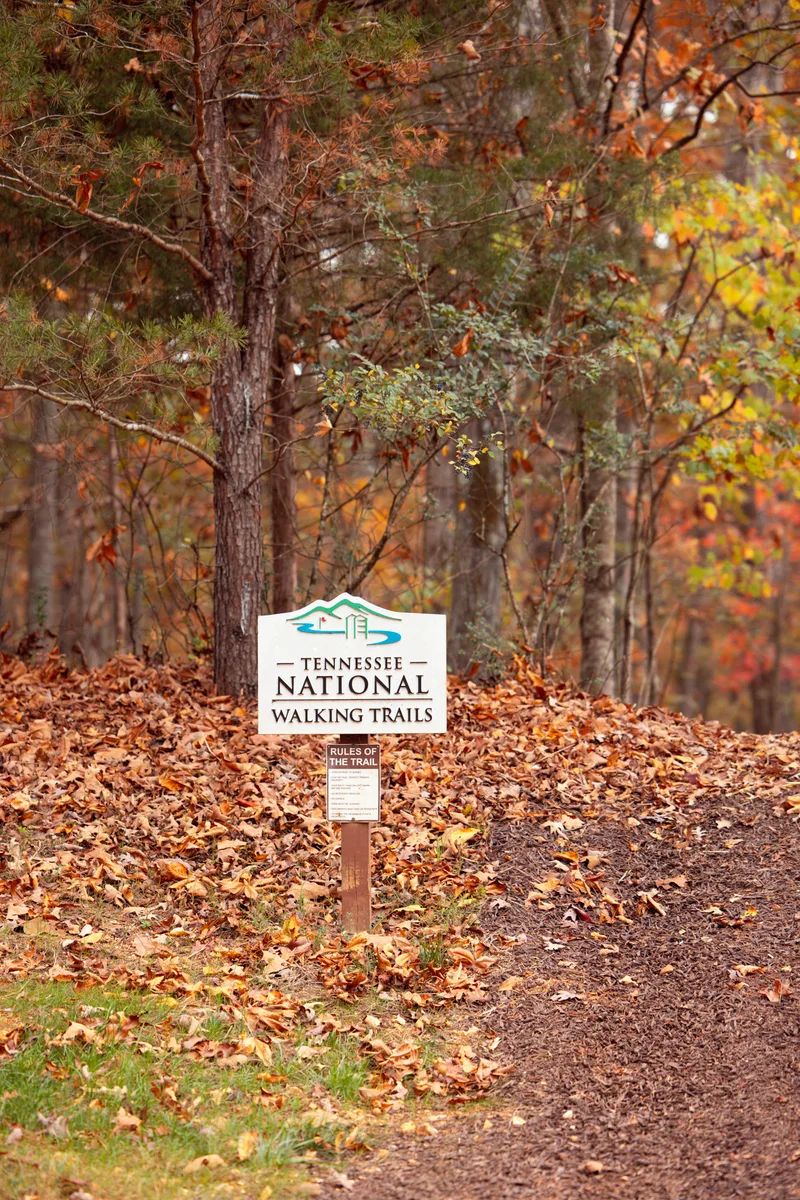
Good golf communities tend to include fitness centers, swimming pools, tennis and pickleball courts, walking trails, clubhouses with dining and event spaces, organized classes, and concierge or maintenance services. These amenities support a balanced lifestyle where social, recreational, and wellness needs are all addressed in a single, convenient location.
In addition, many communities offer wellness programs such as yoga, meditation, and personal training to complement the physical activity provided by golf and other sports. Social clubs frequently extend beyond just golf, including book groups, arts and crafts workshops, and wine tastings, allowing residents with diverse interests to find their niche. These diverse options ensure life in a golf lifestyle community is both vibrant and fulfilling, appealing to a wide range of preferences and ages.
Benefits of Golf Lifestyle Retirement Living
Retiring in a golf lifestyle community provides a blend of health, social, and practical advantages. Physically, walking the course, practicing swings, and participating in fitness classes supports cardiovascular health, balance, and flexibility. Mentally, the routine and purpose of scheduled games, leagues, and social events reduce isolation and enhance emotional wellbeing.
Practical benefits include low-maintenance property ownership, built-in social networks, and the convenience of on-site services. A well-designed community also offers safety and predictability: gated access, neighborhood consistency, and coordinated landscaping reduce day-to-day chores and concerns so residents can focus on leisure and relationships.
Health and Wellness Advantages
Golf combines low-impact aerobic exercise with mental concentration and outdoor time, a powerful combination for longevity and cognitive health. Regular play improves balance, coordination, and stamina; walking courses provides gentle cardiovascular work; time outdoors boosts vitamin D levels and mood. Many communities also provide wellness programs, physical therapy, and group fitness to support mobility and reduce injury risk.
Social and Emotional Benefits
Community gatherings, tournaments, volunteer opportunities, and casual play foster friendships and purpose. Events structured around food, music, or charity build connection and reduce the loneliness often associated with retirement. The camaraderie of regular partners or clubs also creates accountability to stay active and engaged.
How to Choose the Right Community
Choosing a community requires balancing lifestyle priorities, financial reality, and location preferences. Factors such as course style, membership cost, home maintenance services, proximity to family and healthcare, climate, and neighborhood culture should all inform the decision.
Visiting multiple communities, ideally staying overnight to experience daily rhythms, can reveal whether a location feels like home. Pay attention to demographic mix, how residents interact with staff, and the calendar of activities—these offer real insight into whether the community’s vibe aligns with personal needs.
Financial Considerations
Costs include the home purchase price, homeowners association fees, course maintenance or club membership fees, and additional service charges. HOA fees often cover landscaping, exterior maintenance, and access to amenities, but club memberships may be separate. Evaluate both upfront and recurring costs, and ask how fees have changed historically.
Course Quality and Accessibility
Course design and upkeep matter for enjoyment and safety. Look for well-draining greens, clear cart paths, and practice facilities like driving ranges and short-game areas. Accessibility features such as cart availability, tee boxes suited to different skill levels, and nearby practice spaces can make the game more sustainable as mobility changes over time.
Healthcare and Transportation Access
Proximity to quality healthcare is a critical consideration. Check distances to hospitals, specialists, and urgent care facilities. Also consider public transportation or shuttle services to nearby towns, airports, or shopping centers—convenience of travel impacts overall quality of life and ability to host visiting family and friends.
Finding the Right Home in a Golf Community
Homes in golf communities range from single-family houses and villas to condominiums and custom estates. The right choice depends on desired privacy, maintenance tolerance, and budget. Smaller homes or condos often appeal to retirees seeking minimal upkeep, while larger homes might be chosen by those who frequently host guests or desire workshop space.
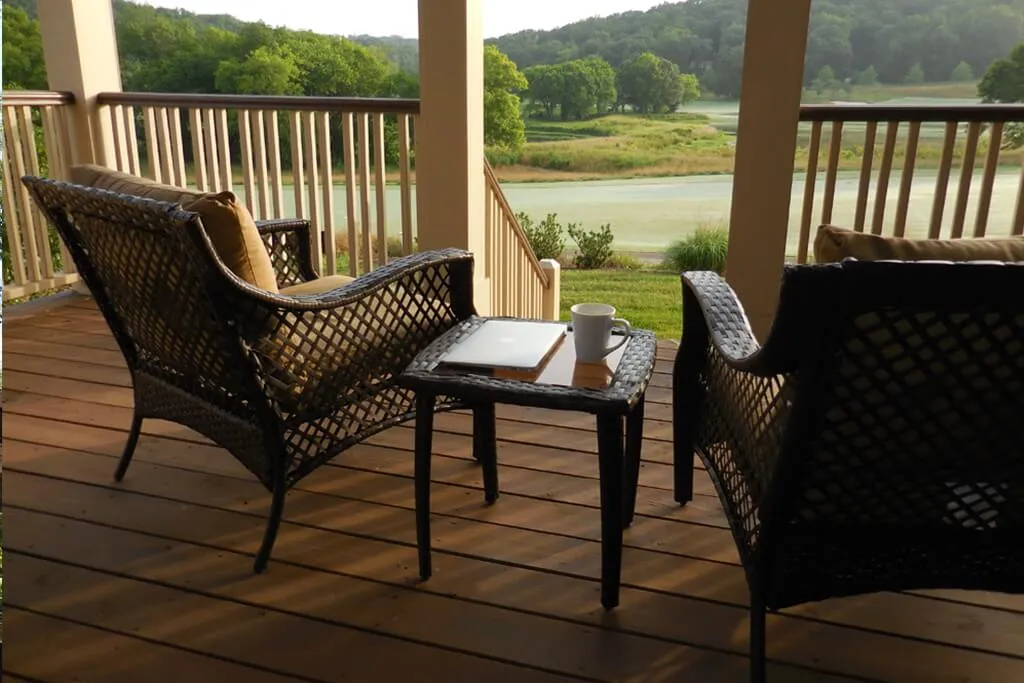
Orientation matters: homes overlooking fairways provide scenic views but may face occasional errant balls and privacy trade-offs. Consider sun exposure, yard size, and whether the layout suits current and potential future mobility needs—single-level living and wide doorways can ease transitions.
Maintenance and Services
Investigate what the HOA or community management covers. Many communities include exterior maintenance, roof inspections, pest control, and irrigation services. On-site staff for landscaping or light home repairs adds convenience, but always clarify response times, service limits, and extra costs for special projects.
Resale Value and Market Trends
Resale value depends on location, course reputation, home condition, and demand for the community. Communities with strong amenities, active social calendars, and good course management tend to hold value better. Research local real estate trends, speak with agents familiar with the community, and consider long-term upkeep costs that could affect attractiveness to future buyers.
Making the Transition: Moving In and Integrating
Soon after moving, establish routines that build connection and comfort. Attend orientation events, join interest groups, and sign up for lessons or leagues that match skill and energy levels. Small steps—like introducing oneself to neighbors, volunteering for a clubhouse committee, or hosting a post-round coffee—accelerate integration into the community.
Decluttering and staging the new home for easy living makes daily life simpler. Consider downsizing furniture and possessions to fit the new space and prioritize items that encourage hobbies and gatherings, such as a comfortable seating area near a patio or a workshop corner for repairs and projects.
Learning and Improving the Game
Many residents take the opportunity to learn or improve golf skills through private lessons, group clinics, and practice sessions. Low-pressure learning environments encourage progress without intimidation. Focus on fundamentals—short game and putting deliver the biggest immediate improvement in enjoyment and scores.
Balancing Golf with Other Interests
Healthy retirement communities encourage diverse activities. Balance time on the course with other pursuits like fitness classes, arts and crafts, travel clubs, or volunteer work. This variety prevents burnout and deepens social ties across different interest groups.
Common Concerns and How to Address Them
Concerns about living on or near a golf course often include noise, errant golf balls, HOA restrictions, and perceived exclusivity. Most communities actively manage these issues: nets or buffer landscaping reduce stray balls, community rules clarify noise expectations, and transparent HOA policies keep governance predictable. Visiting during different times of day will reveal the real level of activity and noise.
Another frequent worry is whether the community will remain vibrant over the long term. Communities with diverse programming, diversified revenue streams (such as public events), and solid financial management tend to stay active. Ask for financial statements and board meeting minutes when considering a purchase to assess stability.
Environmental and Sustainability Considerations
Modern communities increasingly adopt sustainable practices: drought-resistant landscaping, recycled water for irrigation, integrated pest management, and native plant buffers. Prospective residents can inquire about the course’s environmental policies and look for certifications or awards that reflect responsible stewardship of land and water resources.
Privacy and Personal Safety
Gated entrances, on-site security, well-lit paths, and emergency response plans contribute to a feeling of safety. Yet privacy varies based on home placement and landscaping. Solutions such as privacy hedges, screens, and window treatments help create a personal oasis without isolating from the community.
Final Thoughts: Is This the Right Choice?
Golf lifestyle retirement living suits those seeking an active, social, and scenic retirement with convenient services and built-in community. While not every retiree needs daily golf, the structure and amenities of these communities support a range of activities and social interactions that enhance quality of life. Thorough research, multiple visits, and clear financial planning are essential steps to find the right fit.
Ultimately, the best community balances personal interests, health needs, budget, and proximity to loved ones. For many, the rhythm of tee times, friendly competition, and clubhouse gatherings create a retirement that feels purposeful, enjoyable, and well lived.
Discover Your Ideal Golf Lifestyle at Tennessee National
Ready to embrace the perfect blend of luxury, community, and golf-centered living? Tennessee National invites you to experience resort-style retirement in a premier gated community featuring a Greg Norman Signature Golf Course, private marina, waterfront dining, and over 20 member amenities. Whether you prefer a move-in ready home or a custom build, our scenic setting and vibrant social calendar offer the ultimate active and fulfilling retirement. Schedule your private tour today and start making memories every day at Tennessee National.