East Tennessee offers a mix of mountain vistas, four-season weather, friendly towns and access to quality healthcare—ingredients many retirees seek when considering where to spend their golden years. This guide walks through the best communities across the region, explains the types of retirement living available, highlights practical considerations, and offers tips for choosing the right fit for lifestyle and budget.
Why East Tennessee Appeals to Retirees
East Tennessee combines natural beauty with small-city amenities. The Great Smoky Mountains, rolling foothills and scenic lakes provide ample outdoor recreation—hiking, fishing, birding and scenic drives—that remain accessible well into retirement. Cities like Knoxville and Johnson City supply cultural attractions, medical centers and dining options without the congestion of larger metro areas.
Affordability is another draw. Housing costs and property taxes in many East Tennessee counties tend to be lower than the national average. Coupled with a relatively low cost of living and absence of state income tax on retirement benefits in Tennessee, the region can be financially attractive for those on fixed incomes.
Additionally, the climate in East Tennessee offers mild winters and warm summers, creating a comfortable year-round environment for retirees. This moderate weather enables outdoor activities to be enjoyed across all seasons, contributing to a healthier and more active lifestyle. The area also boasts a strong sense of community with numerous clubs, volunteer opportunities, and local events that help newcomers quickly establish meaningful social connections.
Healthcare access is particularly important for retirees, and East Tennessee is well-equipped in this regard. The region is home to several highly rated hospitals and specialized medical facilities, including the University of Tennessee Medical Center in Knoxville and Johnson City Medical Center. These institutions provide comprehensive healthcare services, from preventative care to advanced treatments, ensuring that retirees have quality care close to home. Furthermore, many communities offer senior-focused programs and resources designed to support wellness and independence.
Types of Retirement Communities and Care Options
Independent Living Communities
Independent living suits active retirees who want private residences and community amenities—clubhouses, pools, fitness centers and social calendars—without the upkeep of a single-family home. Units range from apartments to cottage-style homes, and many communities offer optional services such as housekeeping and meal plans.
Many independent living communities also provide transportation services for shopping, medical appointments, and recreational outings, helping residents maintain an active social life without relying on personal vehicles. Additionally, safety features like emergency call systems and security personnel contribute to peace of mind while preserving independence.
Assisted Living
Assisted living facilities provide help with activities of daily living (ADLs) like bathing, dressing and medication management while maintaining a focus on independence. They commonly include dining services, transportation, and social and wellness programs. Staffing levels and care plans can vary, so it’s important to ask about staff-to-resident ratios and available medical support.
Residents often have the flexibility to personalize their living spaces and participate in a variety of group activities, such as exercise classes, art workshops, and outings, which promote both physical health and social engagement. Additionally, many assisted living communities coordinate with healthcare providers to offer on-site visits from nurses or therapists, enhancing the level of care.
Memory Care
Specialized memory care communities are designed for residents with Alzheimer’s disease and other forms of dementia. These communities prioritize safety, routine, structured activities and staff training specific to cognitive impairment. Look for secure exits, calming design elements, and programs aimed at preserving daily functioning and reducing agitation.
Memory care programs often use evidence-based therapies like music and reminiscence therapy to stimulate cognitive function and improve quality of life. Staff members typically receive ongoing education to better understand the complexities of dementia care, ensuring compassionate and informed support. Family involvement is encouraged through regular updates and support groups.
Continuing Care Retirement Communities (CCRCs)
CCRCs offer a continuum of care—independent living, assisted living and skilled nursing—on one campus. This model suits couples with differing care needs or those seeking a long-term plan that allows aging in place. Contracts vary (entry fees, monthly fees, refundable vs. nonrefundable), so review financial terms carefully and assess the community’s financial stability.
Many CCRCs provide additional amenities such as wellness centers, cultural events, and specialty dining options, which contribute to a vibrant lifestyle. The ability to transition seamlessly between care levels without relocating fosters a sense of security, while comprehensive care plans can be tailored to evolving health needs. Prospective residents are encouraged to visit multiple CCRCs to compare services, facilities, and contract structures before making a commitment.
Top East Tennessee Communities to Consider
Knoxville and Surrounding Areas
Knoxville blends urban amenities with easy access to nature. For retirees who want cultural activities—museums, theaters, university events—the city is attractive. Independent living options and CCRCs around Knoxville provide a range of services; many communities are within short drives of Covenant Health hospitals and specialty clinics.
Suburban towns like Farragut and Maryville are popular for their quiet neighborhoods, shopping, and proximity to parks and lakes. These areas often host active senior centers, community colleges offering lifelong learning classes and volunteer opportunities for engagement.
Gatlinburg, Pigeon Forge and the Smokies
For those prioritizing scenic beauty and outdoor recreation, communities near the Great Smoky Mountains offer year-round scenery and a tourist-friendly infrastructure. Retirement living here tends to cater to those who plan to remain active—hiking, gardening and enjoying arts-and-crafts shows. Healthcare access can be more limited compared to larger cities, so proximity to hospitals should factor into decision-making for those with ongoing medical needs.
Johnson City and the Tri-Cities
Johnson City, along with Kingsport and Bristol (the Tri-Cities area), provides a comfortable blend of medical resources, affordable housing and cultural events. East Tennessee State University and associated health systems contribute to strong medical and research resources. The region offers multiple retirement communities ranging from independent living to assisted care, with many emphasizing active lifestyle programming and community engagement.
Chattanooga Area
Chattanooga, slightly more west but often included in East Tennessee considerations, has seen revitalization in recent years. The city’s riverfront, arts scene and outdoor activities (rock climbing, river surfing) appeal to adventurous retirees. A variety of senior living communities are available, with robust healthcare networks including specialty services for cardiology and orthopedics.
Loudon County and Watts Bar Lake
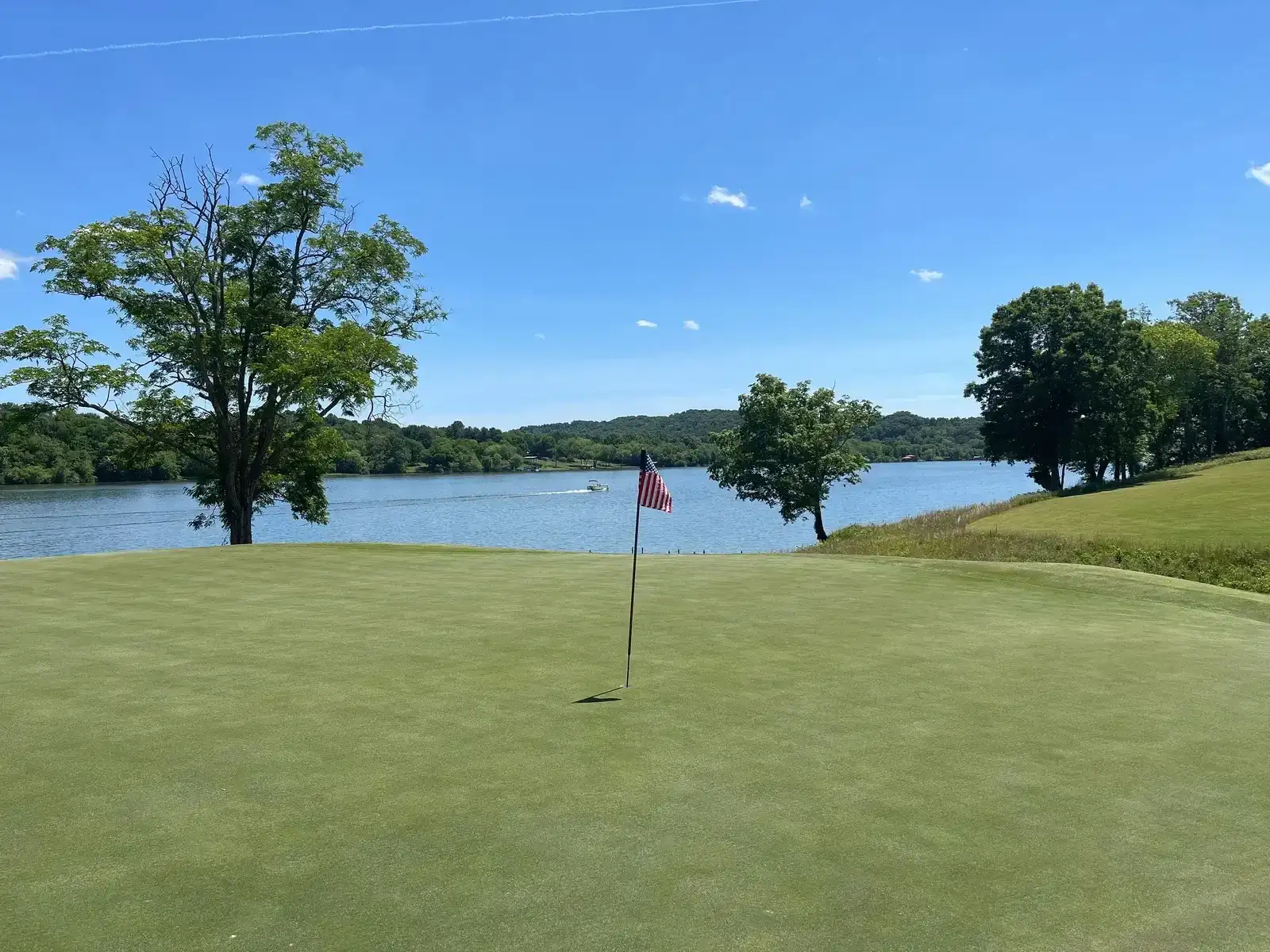
For retirees who want lake living with real amenities, Loudon County deserves a hard look. It sits on Watts Bar Lake, a TVA reservoir with about 80 miles of navigable shoreline, and is only 35 to 40 minutes from downtown Knoxville. That keeps the University of Tennessee Medical Center, McGhee Tyson Airport, and city dining within an easy drive while you live on quiet water.
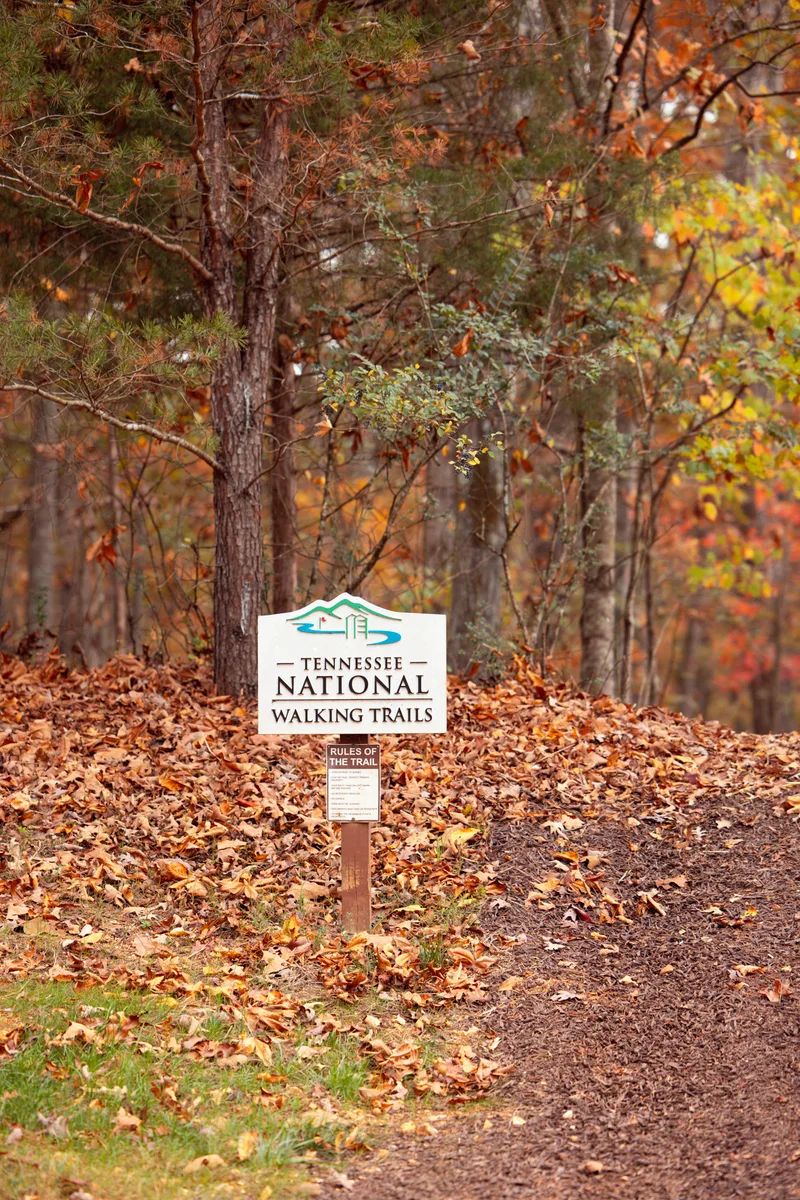
This is where Tennessee National is located. The 1,492-acre gated community on Watts Bar offers a Greg Norman signature 18-hole golf course, a full-service marina, custom homes, townhomes, and cottage packages. The single-family HOA is $150 a month, lots run from $99K to $850K, and Tennessee charges no state income tax, which stretches a fixed retirement income further. It is a golf-cart community with four mild seasons. For more, see our guide to retiring on an East Tennessee lake.
What to Look for When Touring a Community
Safety and Staffing
Ask about staff availability, training, and emergency response protocols. Verify the staff-to-resident ratio, especially in assisted living and memory care units. Tour the property at different times of day to observe meal service, activities and resident interactions.
Amenities and Social Programs
Healthy aging depends on social engagement and physical activity. Look for a variety of programs—fitness classes, arts, clubs, excursions and volunteer opportunities. Check whether the community has partnerships with local colleges, recreational centers or cultural institutions that expand programming options.
Location and Transportation
Consider proximity to family, friends, shopping and medical care. Reliable transportation services (scheduled shuttles to shopping centers, appointments, and local attractions) are essential for maintaining independence. Evaluate parking availability for visitors and whether the community’s location is prone to traffic or weather-related access issues.
Dining and Nutrition
Sample menus and observe dining areas. Good communities offer flexible dining hours, varied menu options and accommodations for dietary restrictions. Communal dining supports socialization, so consider meal quality and atmosphere as factors in overall satisfaction.
Costs and Financial Considerations
Costs vary widely by community type, location and services included. Independent living typically has the lowest monthly fee, while assisted living and memory care increase with specialized services. CCRCs often require an entrance fee plus monthly maintenance and care charges.
Insurance rarely covers long-term residential care, though Medicare may cover limited skilled nursing for short-term rehabilitation. Long-term care insurance policies, veterans’ benefits, and Medicaid for qualifying individuals can offset costs depending on eligibility. Consulting with an elder law attorney or financial planner experienced in long-term care can help clarify options.
Health Care Access and Specialists
Access to quality healthcare is a primary concern. East Tennessee benefits from regional medical centers in Knoxville, Johnson City and Chattanooga, as well as numerous specialty clinics. For retirees with complex health needs, proximity to hospitals with cardiology, oncology and geriatric specialties is a significant advantage.
Home health services and visiting nurse programs are widely available, offering in-home therapy, nursing and personal care. Investigate whether the community partners with home health agencies and if on-site medical support or telemedicine services are provided.
Lifestyle and Recreation Opportunities
Outdoor Activities
A network of state parks, national parks and waterways provides plentiful opportunities for walking, birding, kayaking and golf. Seasonal events like fall foliage tours and spring wildflower walks add rhythm to the year and encourage active lifestyles.
Cultural and Educational Resources
Universities and community colleges throughout East Tennessee offer lifelong learning programs, auditoriums with regular performances, and art exhibits. Libraries, historical societies and local festivals create chances for social engagement and continued intellectual stimulation.
Volunteering and Community Involvement
Volunteer programs—museums, hospitals, schools and conservation groups—offer meaningful ways to contribute time and skills. Many retirement communities facilitate volunteer connections, creating opportunities for residents to stay engaged with the broader community.
Tips for Making the Move Easier
Start planning early. Decluttering and downsizing are emotional and logistical tasks; tackle them room by room and consider estate sales, donations and family heirloom discussions. Enlist professional movers experienced with senior transitions if possible.
Visit multiple communities and bring a checklist of priorities—budget, level of care, dining, activities, and proximity to family. Try an extended stay or short-term trial if available; many communities allow a few nights for prospective residents to experience daily life. Connect with current residents to get honest feedback on the community’s culture and management responsiveness.
Red Flags to Watch For
Poor communication from staff, unclean or poorly maintained facilities, and high staff turnover can indicate underlying management or financial problems. Vague answers about pricing, care plans, or emergency procedures are also warning signs. Check state inspection reports and licensing records for the community to uncover any cited violations or recurring issues.
Final Considerations
Choosing a retirement community in East Tennessee is as much about lifestyle as it is about practical needs. The region’s natural beauty, cultural offerings and healthcare infrastructure create appealing options for a range of retirees—from active adventurers to those needing more supportive care.
Balance personal priorities with financial reality, and take the time to tour multiple settings. The best community will support health, cultivate social connections and provide peace of mind, allowing this chapter of life to be both secure and enriching.
Discover Your Luxury Retirement Home at Tennessee National
For a retirement that combines natural beauty with upscale amenities, Tennessee National is a 1,492-acre gated community on Watts Bar Lake in Loudon County, 35 to 40 minutes from Knoxville. You get a Greg Norman signature 18-hole golf course, a full-service marina, and 80 miles of navigable shoreline. Lots range from $99K to $850K, the single-family HOA is $150 a month, and Tennessee has no state income tax. Request the community guide to see floor plans, lot maps, and pricing.