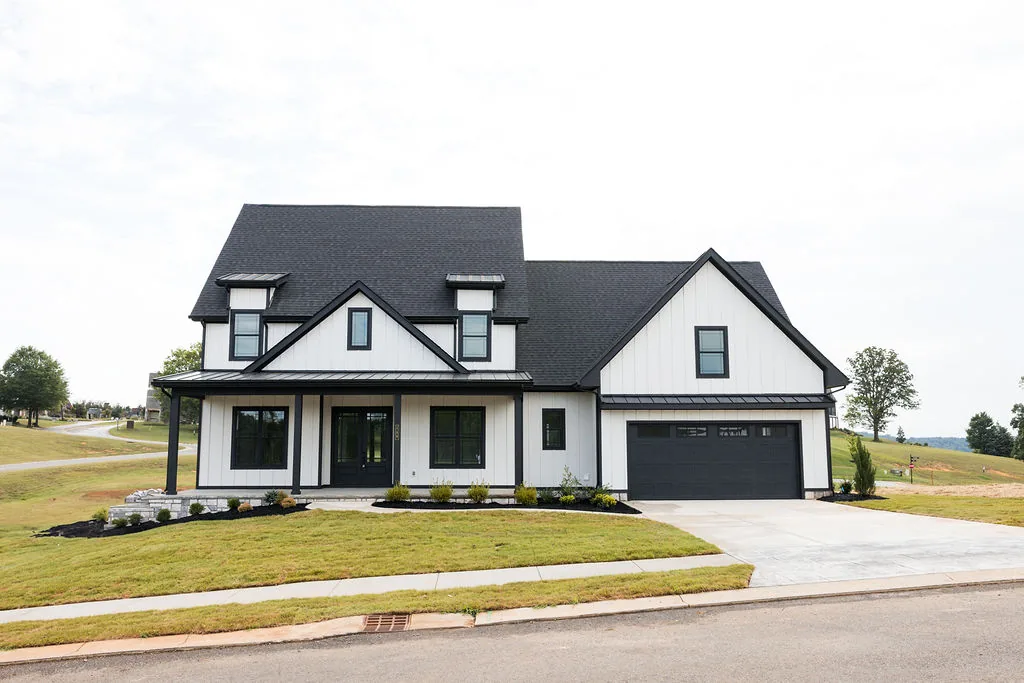
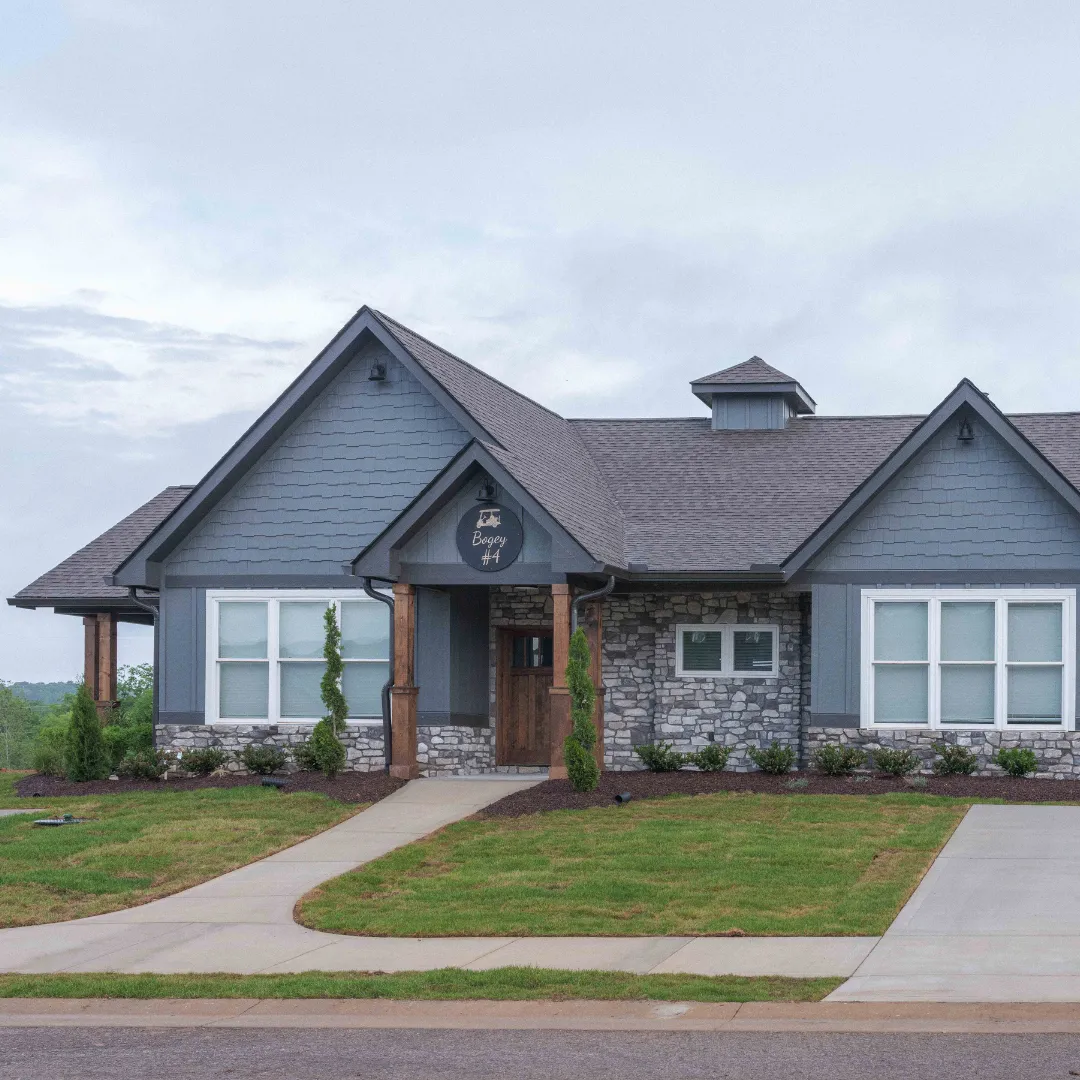
Custom homes present a compelling niche for investors seeking higher returns, portfolio diversification, and the satisfaction of creating distinctive assets. This guide outlines the key considerations, strategies, and risks involved in investing in custom home projects, with practical steps to evaluate opportunities, manage development, and maximize returns.
Why Custom Homes Can Outperform Standard Builds
Custom homes often command premium prices because they cater to buyers seeking personalization, superior materials, and unique design. In many markets, a well-executed custom home can sell faster and at a higher price per square foot than cookie-cutter production homes. Investors can capture that premium by delivering quality, thoughtful design, and efficient project management.
Beyond sales price, custom homes offer other revenue advantages. Target buyers may be less price-sensitive and more willing to pay for finishes, technology, and site-specific features. Additionally, custom builds can be positioned as long-term hold assets—rental or vacation properties—that generate steady cash flow with above-average rental rates in desirable locations.
Another compelling advantage of custom homes lies in their adaptability to upcoming lifestyle trends. For instance, incorporating home offices, wellness spaces, or multi-generational living areas can significantly widen the prospective market and meet evolving demands. Furthermore, leveraging sustainable building practices and materials not only reduces environmental impact but also boosts appeal among eco-conscious buyers, thereby enhancing the home’s differentiation in competitive markets.
Market Segmentation and Buyer Psychology
Understanding the buyer profile is crucial. Typical custom-home buyers value privacy, craftsmanship, and location. They often include professionals with higher disposable incomes, second-home buyers, and downsizers seeking low-maintenance luxury. Building to match these preferences improves marketability and reduces time on market.
Additionally, emotional connection plays a critical role in purchasing decisions for custom homes. These buyers often perceive the home as an extension of their identity and lifestyle, making bespoke elements like unique architectural details or personalized landscaping highly influential. Recognizing these psychological drivers allows developers to tailor marketing strategies and home features to resonate deeply, ultimately fostering stronger buyer engagement and loyalty.
Value Drivers Unique to Custom Builds
Value drivers include lot premium, architectural distinction, high-end finishes, energy efficiency, and smart-home integration. Strategic investments in these areas can materially increase resale value. Not every upgrade justifies its cost; the art lies in choosing features with the highest local market appeal.
Moreover, the integration of cutting-edge home automation and advanced security systems can elevate a custom home’s desirability, especially among tech-savvy and security-conscious buyers. Attention to durability and craftsmanship also reduces long-term maintenance costs, a feature highly appreciated by buyers looking for hassle-free ownership. Developers who balance innovative features with proven demand trends position their custom builds to outperform standard offerings both in value and buyer satisfaction.
Finding and Evaluating Opportunities
Opportunity sourcing begins with land acquisition. Look for infill lots, tear-down candidates in strong neighborhoods, or parcels near desirable amenities. Each type of opportunity carries different acquisition costs and development constraints; careful due diligence ensures the chosen site aligns with the intended product and target buyer.
Engage local data to evaluate demand, absorption rates, and comparable sales. A comparative market analysis creates a baseline for expected sales price and helps estimate feasible build budgets. Always allow contingency buffers, since custom builds are inherently variable and subject to material and labor fluctuations.
Lot Analysis Essentials
Lot orientation, topography, utilities access, and views significantly affect build costs and design options. Steep sites or lots with extensive rock can dramatically increase excavation and foundation expenses. Conversely, a flat lot in an established, sought-after neighborhood can significantly reduce site costs and accelerate time to market.
Regulatory and Zoning Considerations
Zoning restrictions, setbacks, height limits, and historic district regulations can limit design freedom. Early engagement with local planning departments uncovers potential obstacles and identifies necessary variances or special permits. Understanding timelines for approvals is essential for project scheduling and financing.
Financial Modeling and Funding Options
A robust pro forma is the backbone of any successful investment. It should include acquisition cost, soft costs (architectural, permits, consultants), hard construction costs, financing expenses, marketing, sales commissions, and contingency reserves. Assess multiple scenarios—conservative, base case, and optimistic—to understand downside risk and upside potential.
Financing a custom home project can take several forms: construction loans, hard money, private equity partnerships, or using existing capital. Each option affects cost of capital, covenants, and flexibility. Construction loans typically require detailed draw schedules and inspections, while private investors or joint ventures may accept longer timelines in exchange for equity returns.
Estimating Hard and Soft Costs
Hard costs include materials, labor, sitework, and contractor fees. These are often estimated per square foot but can vary widely with design complexity and finish choices. Soft costs encompass design fees, permits, engineering, insurance, and legal expenses. Underestimating soft costs is a common pitfall that can erode margins.
Profit Margins, Break-Even, and Sensitivity Analysis
Target profit margins depend on market, risk tolerance, and capital structure. Many investors aim for at least a 15–20% profit margin on custom projects, but locations with higher demand can support higher margins. Conduct sensitivity analysis on key variables—sale price, construction overruns, and interest rates—to determine break-even points and required cushions.
Design, Builder Selection, and Project Management
Design quality and builder competence are decisive factors in project outcomes. A well-chosen architect and general contractor streamline the process and enhance final value. Development investors should favor builders with proven experience in custom projects, reliable subcontractor networks, and a track record of meeting budgets and schedules.
Project management practices reduce cost creep and delays. Regular site meetings, transparent budgets, detailed change-order protocols, and milestone-based payment structures keep teams aligned. Clear communication with stakeholders—investors, designers, and contractors—prevents misunderstandings that can be costly.
Design Strategies That Add Value
Design choices should balance uniqueness with broad appeal. Flexible floor plans, high-quality kitchens and baths, generous storage, and indoor-outdoor living spaces tend to resonate with buyers. Incorporating energy-efficient systems and durable materials reduces long-term maintenance concerns and attracts eco-conscious buyers.
Selecting the Right Builder
Vet builders by visiting completed homes, checking references, and reviewing warranties and past change-order histories. Contract structure matters: fixed-price contracts provide cost certainty but require detailed scopes; cost-plus contracts offer flexibility but place more risk on the investor. Consider performance incentives tied to schedule and quality metrics.
Construction Risks and How to Mitigate Them
Construction projects face common risks: weather delays, supply-chain disruptions, labor shortages, unforeseen site conditions, and permit delays. Effective risk management combines contingency budgets, realistic timelines, and proactive supply-chain planning. Securing key materials early and maintaining alternative supplier options reduces exposure.
Insurance and warranties also protect investment value. Builder’s risk insurance, general liability, and performance bonds reduce financial exposure to accidents, theft, and contractor default. Post-construction warranties for structural elements and major systems enhance buyer confidence and reduce potential liabilities if the property is held for rental.
Change Orders and Scope Control
Change orders commonly inflate costs and extend timelines. To minimize their frequency, finalize design details before construction starts and include a rigorous approval process for any changes. Prioritize a clear allowance schedule for finishes and fixtures to manage selections without frequent revisions.
Quality Assurance and Inspections
Independent inspections at key milestones ensure adherence to plans and code. Regular third-party inspections can catch defects early when remediation is cheaper and simpler. A documented punch-list process at project completion preserves the home’s marketability and supports a clean closing.
Exit Strategies: Sell, Rent, or Hold
Choosing an exit strategy depends on market conditions, tax implications, and investor goals. Selling upon completion may yield a quick return and recoup capital, while holding the property as a rental can provide ongoing income and potential appreciation. A hybrid approach—initial rental followed by sale when market conditions improve—can balance cash flow and capital gains potential.
Consider tax strategies such as 1031 exchanges (for U.S. investors) to defer capital gains, or cost segregation studies to accelerate depreciation for rental properties. Consult tax professionals to structure deals in compliance with local regulations and to optimize after-tax returns.
Timing the Sale
Market timing can influence sale price significantly. Selling during peak demand months or after completing high-value upgrades like landscaping or staging improves buyer perception and sale price. Conversely, a rushed sale in a down market can compress returns and leave capital tied up longer than expected.
Operational Management for Rentals
If holding the property as a rental, consider professional property management to maintain occupancy and care for high-end finishes. Short-term rentals may produce superior income in vacation markets but entail higher turnover, more maintenance, and local regulatory complexity. Long-term leases offer stability but may yield lower monthly rates.
Measuring Success and Learning from Projects
Evaluate each project through quantitative and qualitative lenses. Key performance indicators include actual vs. budgeted costs, time to completion, sale price relative to comps, and rental yield if applicable. Document lessons learned—what worked, what didn’t—and refine processes for future investments.
Project debriefs with contractors and designers foster continuous improvement. Capturing vendor performance data and subcontractor reliability builds a preferred network for subsequent projects, reducing friction and improving outcomes over time.
Portfolio Considerations
Custom-home investments should be considered within the broader portfolio context. Concentration risk, liquidity needs, and correlation with other asset classes matter. Combining custom-home projects with other real estate investments, securities, or private equity investments can balance risk and enhance overall returns.
Long-Term Trends to Watch
Demographic shifts, remote work trends, and sustainability priorities influence what buyers want. Growing interest in multi-generational living, work-from-home amenities, and resilient, energy-efficient homes will shape the desirability of future custom projects. Staying attuned to these trends helps investors design properties with staying power.
Final Checklist for Investors
Before committing capital, run through a concise checklist: validate market demand with comps and absorption data; perform thorough site due diligence; secure experienced design and construction partners; build conservative financial models with contingencies; choose a clear exit strategy; and implement risk management protocols including insurance and inspections.
Custom-home investments can produce outsized returns when approached methodically, with attention to design, cost control, and market alignment. Success hinges on careful planning, the right team, and disciplined execution.
Discover Your Custom Home Investment at Tennessee National
Ready to explore a unique investment opportunity that combines luxury living with custom home potential? Tennessee National offers an exceptional setting to build or purchase your custom home within a premier gated community featuring world-class amenities and breathtaking natural surroundings.