Watts Bar Lake offers a unique blend of scenic shoreline, outdoor recreation, and Southern charm. Whether the goal is a year-round residence, a weekend getaway, or an investment rental, buying property on the lake requires attention to details that differ from typical suburban purchases. This guide walks through the essential considerations: location choices, water access and shoreline rights, inspections and maintenance, financing and insurance, and the lifestyle trade-offs that come with lakeside living.
Why Choose Watts Bar Lake?
Watts Bar Lake is part of the Tennessee River system, stretching across rural and semi-rural landscapes with pockets of development and quiet coves. The lake is known for excellent fishing — including bass and crappie — and for boating access that connects to the broader Tennessee waterway network. It appeals to buyers who value outdoor activities like boating, fishing, and lakeside gathering spaces.
Beyond recreation, the lake area tends to have a more relaxed cost of living compared with many coastal lake regions, and properties often include larger lots and more privacy. Proximity to smaller towns and cities like Kingston, Spring City, or Kingston allows for necessary services without sacrificing the lakeside feel.
Choosing the Right Location on the Lake
Shoreline Type and Protection
Shoreline varies widely from steep bluffs to gentle slopes and man-made retaining walls. The type of shoreline affects usability, erosion risk, and what dock structures are practical. Natural, gently sloped shorelines are easier for launching small boats and for creating accessible water features, while steeper banks may require retaining walls or terraced landscaping.
Properties with bulkheads or professionally engineered retaining walls offer immediate protection against erosion but can require significant maintenance. Conversely, natural shorelines with riprap or native vegetation can be more ecologically friendly and sometimes less costly to maintain if erosion is managed carefully.
Open Water vs. Coving
Open-water lots provide broader views and easier navigation for larger boats, but they also expose the property to more wind and wake action from passing vessels. Cove properties are typically calmer, offering sheltered water ideal for swimming and smaller watercraft, and are often preferred by families and those wanting a quieter water experience.
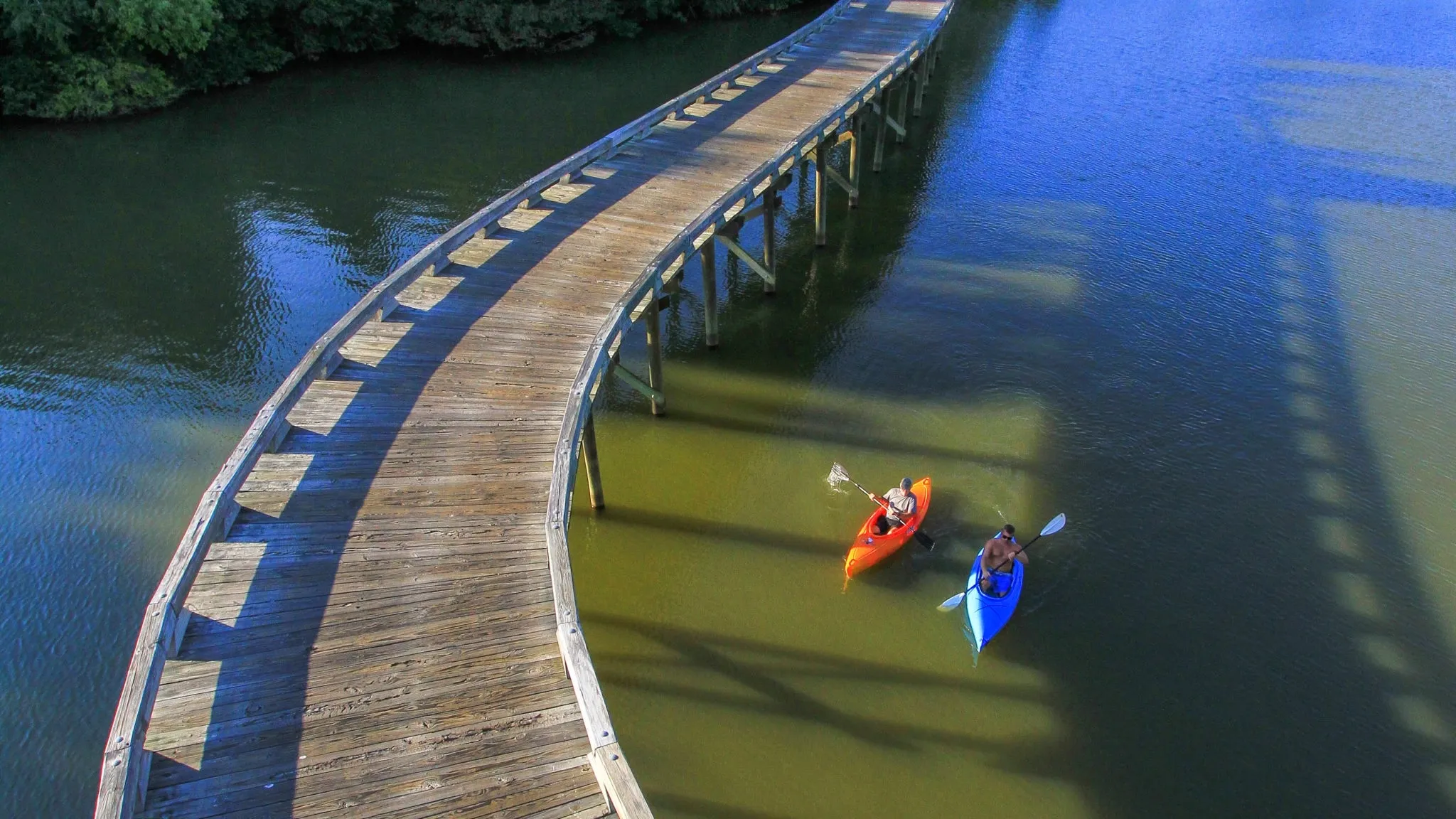
Think about boating habits when evaluating locations. Frequent longer trips or water-skiing benefit from open water, while kayaking, paddleboarding, and peaceful fishing often suit coves. Consider neighbor proximity as well; cove homes may be closer to neighbors due to the protected nature of the shoreline.
Access and Commute Considerations
Watts Bar Lake properties range from 10-minute drives into town to remote retreats with longer commutes. Access to major highways, grocery stores, hospitals, and employment centers matters for daily life and long-term resale value. Evaluate seasonal traffic patterns too: weekends and summer months can change commute times markedly if the area attracts tourists.
Look into local zoning and potential for development nearby. Future construction can affect views, waterfront access, and tranquility. Ask local authorities about any planned infrastructure projects or zoning changes that could impact enjoyment or property value.
Legal and Waterfront Rights
Riparian Rights and Easements
Waterfront properties often come with riparian rights, but these can vary by deed and local regulation. Riparian rights govern dock placement, water use, and access to the water. Some lots may have shoreland easements or shared access agreements with neighbors; others may be restricted by homeowners’ association rules or TVA regulations.
Confirm exactly what rights transfer with the property. A title search and a review of the deed should reveal any recorded easements, restrictions, or rights that affect shoreline use. An attorney familiar with Tennessee waterfront law is useful for interpreting complex deeds.
Docks, Boat Lifts, and TVA Rules
The Tennessee Valley Authority (TVA) manages reservoir water levels and has specific permitting requirements for docks and boathouses on TVA-managed lakes. Some dock plans may require TVA approval, and there can be limits on dock size, placement, and construction materials depending on location and proximity to navigation channels.
When evaluating a property with an existing dock, verify whether it has all necessary permits and to what extent it’ll be allowed to remain after transfer of ownership. Installing a new dock will require adherence to local and TVA rules and possibly state permits, so budget time and money for permitting and certified engineering where required.
Home Inspections and Waterfront-Specific Issues
Structural and Moisture Concerns
Lakeside homes face extra exposure to moisture, seasonal flooding, and higher humidity. Inspections should include checks for water intrusion, mold, and rot in foundations, crawlspaces, and framing. Basements and ground floors may need waterproofing solutions or sump pumps, and ventilation systems should be assessed for mold prevention.
Decks, porches, and exterior elements like siding and windows also need scrutiny because sun and moisture cycles accelerate wear. Look for signs of past repairs that may indicate ongoing issues, and consider bringing along a contractor who specializes in waterfront properties if questions arise.
Septic Systems and Septic Suitability
Many lake properties use septic systems rather than municipal sewer connections. Proper siting and condition of a septic system are critical, and failed systems can be costly to replace. A septic inspection and a review of soil tests should be part of the due diligence on rural lots, especially if the property has limited land for drain fields.
If the property lacks a septic system and municipal sewer is unavailable, investigate local health department regulations and costs for drilling soil tests, designing a system, and obtaining permits. Some lots may need engineered systems, which increase cost and complexity.
Financing and Insurance Considerations
Loan Options for Waterfront Homes
Financing for waterfront properties is similar to other home loans but often involves additional appraisals and stricter underwriting due to perceived risk factors like flood exposure and difficulty reselling. Conventional mortgages, FHA, and VA loans are available, but lenders may require higher down payments or exclude properties with significant floodplain issues.
Work with lenders who have experience in lake properties. They will better understand appraisals that must account for unique features like docks or boathouses and can guide on requirements for mortgage insurance or additional reserves for maintenance and repairs that are common with waterfront homes.
Flood Insurance and Hazard Coverage
Even if a property is not in a designated floodplain, proximity to the lake may raise flood risk during storms or TVA-managed water releases. Flood insurance is likely to be recommended and sometimes required by lenders. National Flood Insurance Program (NFIP) policies cover many scenarios, but there are limits and exclusions, so supplemental coverage might be necessary for full protection.
Standard homeowner policies typically exclude flood damage, and wind or hail damage might come with higher deductibles for waterfront properties. Get quotes from multiple insurers and read policy exclusions carefully. Ask about historical claims in the area, as a property with past flood claims can influence premiums and coverage options.
Maintenance, Seasonal Use, and Long-Term Costs
Shoreline and Dock Upkeep
Shoreline erosion control, dock repairs, and regular maintenance are ongoing expenses. Seasonal checks after winter storms and at the start of boating season help catch problems early. Budget for periodic dock refurbishment, fastener replacements, and treatments for wood exposed to sun and moisture.
Landscaping near the water should emphasize native plants to reduce erosion and minimize chemical runoff. Creating a vegetative buffer helps protect water quality and often aligns with local environmental regulations and best practices.
Utilities, Winterization, and Seasonal Closures
For second homes or vacation rentals, winterization is necessary to prevent frozen pipes and damage during colder months. Utilities such as water, propane, or septic service may have different availability or costs compared with urban areas. Backup power solutions can be valuable if storms or TVA-controlled water releases affect power availability.
Seasonal property management is another cost when the home is not occupied year-round. Services include cleaning, lawn care, dock management, and check-ins after storms. If renting, professional management firms handle bookings, guest turnover, and maintenance, but their fees need to be factored into expected income.
Resale Value and Rental Potential
Market Trends and Comparables
Watts Bar Lake real estate values depend on lot size, water access, dock quality, and local amenities. Research recent sales of comparable waterfront and water-access properties to gain realistic pricing expectations. Waterfront homes generally command price premiums, but market shifts and county-level development plans can influence long-term appreciation.
Review local inventory levels and days-on-market for similar properties. High demand and limited inventory typically favor sellers, while an influx of new construction or economic shifts in nearby towns can moderate price growth.
Vacation Rentals and Income Potential
Short-term rentals are popular in lake regions but are subject to local regulations, licensing, and HOA rules. Understand local ordinances governing occupancy, noise, and parking before planning a rental strategy. Insurance for rental properties differs from owner-occupied coverage, and liability exposure should be carefully considered.
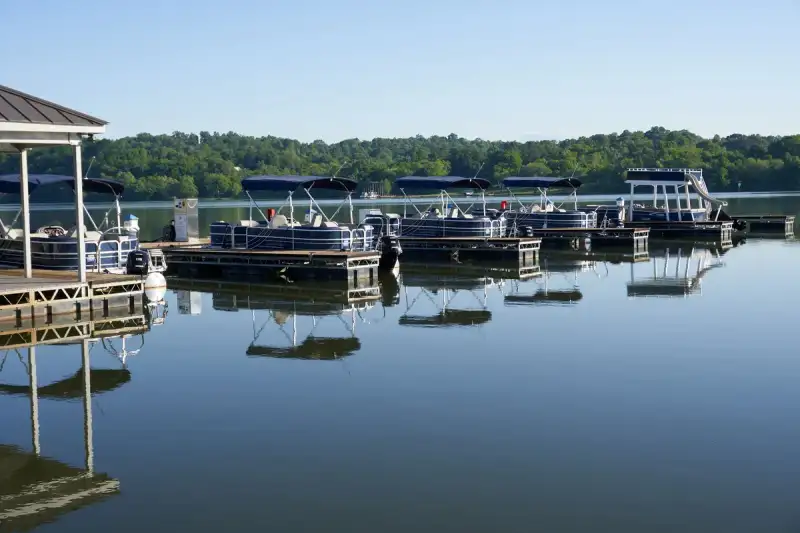
Seasonal peaks during summer and holiday weekends create strong rental demand, but off-season occupancy may drop. Analyze realistic occupancy rates and factor in cleaning, marketing, and management fees to calculate net income. A well-maintained dock, boat slips, and proximity to public amenities such as marinas often increase rental desirability.
Closing Checklist and Final Tips
Essential Documents and Final Walkthrough
Before closing, confirm the status of permits for docks and shoreline work, review the deed for easements, and obtain a recent survey. Verify septic inspection results, copies of past flood claims, and any HOA covenants or restrictions. A final walkthrough should include testing docks, irrigation, sump pumps, and primary appliances.
Request documentation for any recent repairs or upgrades and copies of warranties for HVAC, roofing, or dock work. If any repairs were negotiated during inspection contingencies, verify they have been completed to satisfaction before settlement.
Preparing for Life on the Lake
Living on Watts Bar Lake brings unique rewards and responsibilities. Establish a routine for dock and shoreline inspections, find reliable contractors familiar with local conditions, and build relationships with neighbors who share an interest in preserving water quality and safety. Seasonal rhythms shape lake living: summer social life, spring maintenance, and winter preparation all factor into the enjoyment and stewardship of a waterfront property.
With careful due diligence and realistic expectations about maintenance, insurance, and site-specific risks, buying a home on Watts Bar Lake can be a deeply rewarding investment in lifestyle as well as property. Prioritizing location, legal clarity, and ongoing upkeep sets the foundation for years of waterfront enjoyment.
Discover Lakeside Living at Tennessee National
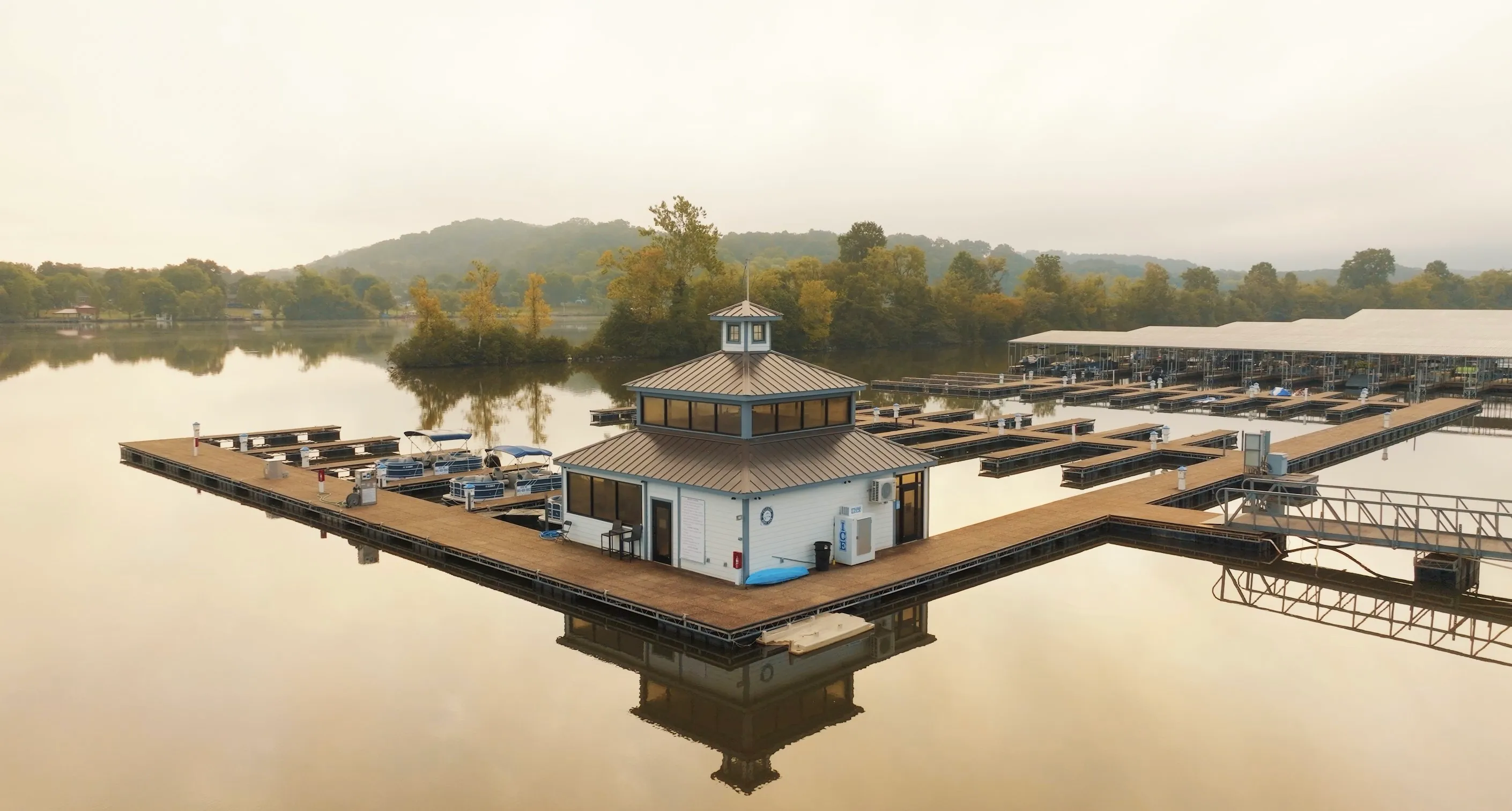
Embrace the exceptional lifestyle described in this guide by exploring Tennessee National, a premier gated community that perfectly complements waterfront living on Watts Bar Lake. Enjoy luxury homes, a Greg Norman Signature Golf Course, private marina access, and over 20 exclusive amenities designed for your comfort and recreation. Whether interested in a move-in ready home or a custom build, Tennessee National offers the ideal setting to experience resort-style living just steps from the lake. [